
Request Free Sample ×

Kindly complete the form below to receive a free sample of this Report

* Please use a valid business email

Leading companies partner with us for data-driven Insights

clients tt-cursor
Hero Background
English
Chinese
French
Japanese
Korean
German
Spanish

Blenders Market Share

ID: MRFR/CG/10140-CR
128 Pages
Sakshi Gupta
February 2026

Blenders Market Research Report Information by Product Type (Countertop Blenders, Personal and Portable Blenders, Immersion and Hand Blenders, Commercial and Heavy-Duty Blenders), By Power Rating (Up To 300 Watts, 300–600 Watts, 600–900 Watts, above 900 Watts), By Material (Plastic, Glass, Stainless Steel) By Price Range (Mass (Less Than $60, Mid ($60–$150), Premium ($150–$350), High-End ($350–$700 And Above)) By End User (Consumer Or Personal, Professional Or Commercial[Foodservice, Smoothie Shops, QSR, Cafés], Hospitality, Institutional) By Distribution Channel(Brick-And-Mortar Retail, Specialty Or Kitchen Stores, Online Or E-Commerce, Direct-To-Consumer (DTC))By Region (North America, Europe, Asia Pacific, South America, Middle East & Africa) - Forecast to 2035

Share:
Download PDF ×

We do not share your information with anyone. However, we may send you emails based on your report interest from time to time. You may contact us at any time to opt-out.

Blenders Market Infographic
Purchase Options

Market Share

Blenders Market Share Analysis

Blenders Market participants employ a variety of strategies to gain market share. They accomplish this by providing precisely what consumers require in the form of adaptable and high-quality kitchen appliances that enhance their cooking abilities. A fundamental strategy centers on the development of novel and practical products. Companies invest in mixers with interesting features such as powerful engines, variable speed settings, and convenient tools. This facilitates the blending, dicing, and grinding of food. Brands provide consumers with an abundance of high-quality, user-friendly kitchenware. This renders them the foremost options for individuals seeking dependable, versatile instruments to assist in culinary tasks at home.

The manner in which products are marketed decides a company's position in the Blenders market. Numerous enterprises employ a tiered pricing structure, offering blenders at different price points to accommodate diverse consumer budgets. Superior blenders, those featuring intricate combining mechanisms, durable construction, or designs by renowned designers, are more expensive. This is to demonstrate their exceptional quality and performance. At the same time, reasonable choices focus on people who want to save money. They make sure they can afford it without failing in important mixing features. Setting prices that match what people think things are worth is important for businesses wanting to get many customers.

In the Blenders Market, brand image and trust are very important. People usually choose trustworthy and good-quality brands for their kitchen equipment. Businesses spend money on creating and keeping a good company name by using ads, being honest about what their products do or say, and pledging to make strong things that are safe. Companies that focus on things like BPA-free stuff, strong blades and simple to clean designs build trust with people buying. This means they look reliable when choosing a new blender to buy.

Making everyone welcome has become a top priority in the Blenders Market. Understanding that people have different tastes in food and ways of life, businesses are increasing what they sell to be more welcoming. Brands can reach more people by providing mixers that work for different activities like making smoothies and processing food. This way talks to people who want kitchen tools that fit their cooking and eating needs. It makes them stay loyal to the brand because it fits what they need in daily life.

Sustainability has become a big way to position market share in the Blenders Market. Firms are more and more putting green measures in place. They use recycled or eco-friendly materials, less package waste, and back energy-saving blending technologies. This approach matches up with the increasing need for eco-friendly kitchen tools. It makes brands preferred choices by buyers worried about how their cooking habits might harm nature.

Author
Author Profile
Sakshi Gupta
Team Lead - Research

Currently a Team Lead in consumer goods, FMCG, and F&B, she translates rigorous research into decisive strategy. She develops GTM roadmaps, pricing architectures, and competitive benchmarks for companies across Europe, the US, and APAC. She synthesize insights, align cross-functional teams, and drive execution from brief to measurable outcomes. She leads end-to-end engagements with crisp analysis, compelling storytelling, and a strong command of Power BI, Tableau, SQL, and advanced research platforms.

Leave a Comment

FAQs

What is the current valuation of the Blenders Market as of 2024?

<p>The Blenders Market was valued at 3.472 USD Billion in 2024.</p>

What is the projected market valuation for the Blenders Market in 2035?

<p>The Blenders Market is projected to reach a valuation of 6.065 USD Billion by 2035.</p>

What is the expected CAGR for the Blenders Market during the forecast period 2025 - 2035?

<p>The expected CAGR for the Blenders Market during the forecast period 2025 - 2035 is 5.2%.</p>

Which segment of blenders had the highest valuation in 2024?

<p>In 2024, Countertop Blenders had the highest valuation at 2.5 USD Billion.</p>

How do online sales compare to offline sales in the Blenders Market?

<p>In 2024, online sales were valued at 1.972 USD Billion, while offline sales were at 1.5 USD Billion.</p>

What materials are commonly used in the production of blenders?

Common materials include Plastic, Stainless Steel, Glass, and others, with Plastic valued at 2.5 USD Billion in 2024.

Which power segment of blenders is expected to grow the most by 2035?

The 400 to 699 Watts power segment is likely to grow significantly, with a valuation of 2.0 USD Billion projected by 2035.

Who are the key players in the Blenders Market?

Key players in the Blenders Market include Vitamix, Breville, Ninja, KitchenAid, Hamilton Beach, Oster, Cuisinart, Philips, and Bosch.

What is the valuation of Personal Blenders in 2024?

Personal Blenders were valued at 1.0 USD Billion in 2024.

What trends are anticipated in the Blenders Market by 2035?

The Blenders Market may experience growth across all segments, particularly in online sales and higher wattage models.

Market Summary

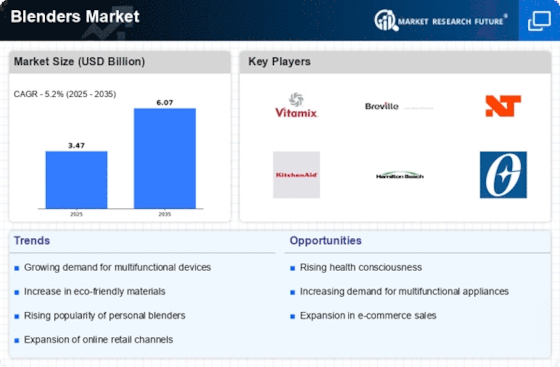
As per Market Research Future analysis, Blenders Market Size was valued at USD 3,470.0 million in 2024. The Blenders Industry is projected to grow from USD 3,641.8 million in 2025 to USD 6,040.2 million by 2035, exhibiting a compound annual growth rate (CAGR) of 5.19% during the forecast period (2025 - 2035).

Key Market Trends & Highlights

The Blenders Market is trends show strong growth fueled by health trends, tech innovations, and e-commerce expansion.

  • Consumers prioritize nutrition, boosting blenders for smoothies, protein shakes, and plant-based foods. Home cooking and meal prepping surged post-pandemic, with North America leading due to health-conscious habits. IoT-enabled blenders with app controls, digital displays, and AI presets dominate innovations. High-performance models (>1000W) feature efficient motors, noise reduction, and auto-programs for soups or nut butters. Energy-efficient motors and biodegradable parts address eco-concerns. Brands shift to recyclable plastics and longer-lasting blades amid regulations in Europe Online sales channels expand reach, with platforms offering demos and reviews. Digital marketing targets Gen Z via influencers promoting healthy recipes.

Market Size & Forecast

2024 Market Size 3,470.0 (USD Million)
2035 Market Size 6,040.2 (USD Million)
CAGR (2025 - 2035) 5.19%

Major Players

Sharkninja / Ninja, Philips (Versuni), Kitchenaid (Whirlpool), Hamilton Beach, Vitamix, Cuisinart (Conair), Panasonic Corporation, Nutribullet (Capital Brands), Blendtec.

Market Trends

The Smart technology is revolutionizing the blender market with Wi-Fi and Bluetooth-enabled models that allow remote operation via mobile apps. These devices feature preset blending programs, real-time monitoring, and automatic shut-off for convenience and safety. Integration with digital assistants like Alexa or Google Home enhances functionality, while data-driven insights optimize performance. Consumers increasingly prefer intelligent appliances that simplify healthy meal preparation, reflecting the growing demand for kitchen automation.

Online retail has become a major growth driver for blender sales, offering consumers access to diverse brands and competitive pricing. E-commerce platforms enable product comparisons, customer reviews, and direct-to-consumer discounts, improving buyer confidence. Brands are leveraging digital marketing, influencer collaborations, and social media campaigns to reach tech-savvy audiences. This shift toward online engagement has expanded blender accessibility globally, particularly in emerging markets. The foodservice industry—comprising cafés, juice bars, and quick-service restaurants—continues to fuel demand for commercial-grade blenders. These high-performance models are designed for continuous use, larger capacities, and heavy-duty blending. As global café culture expands and demand for fresh beverages rises, businesses are investing in durable, energy-efficient appliances to enhance service speed and consistency.

Portable blenders have become one of the fastest-growing product segments, driven by modern lifestyles that value mobility and convenience. Compact, rechargeable, and easy to carry, these blenders cater to health-conscious consumers who prepare smoothies and protein shakes on the go. The increasing fitness and travel culture, along with improvements in battery life and USB-charging capabilities, have made them essential for single-serve blending.

Blenders Market Market Drivers

Increasing demand for innovative kitchen appliances among consumers

In the short term (2025–2027), innovation-driven demand will focus on compactness, user-friendly features, and improved portability. The growing number of young professionals and single-person households is creating a strong market for personal and portable blenders that offer convenience and mobility. Consumers are also drawn to products that enhance lifestyle appeal through smart design and multi-functionality. Leading companies such as Vitamix, Ninja, and NutriBullet are incorporating advanced motor technology, app-controlled functions, and pre-programmed blending modes that deliver consistent results with minimal effort. For example, several new blenders launches feature Bluetooth connectivity and companion apps that allow users to adjust blending speeds or choose recipes remotely. These innovations address time constraints while enhancing customization, making them appealing to consumers who want both performance and convenience. Online platforms and social media influencers are amplifying this trend by showcasing quick, nutritious recipes prepared with modern blenders, encouraging broader adoption.

Growth of the foodservice industry supporting elevated sales of blenders

In the near term, as new restaurants, cafés, juice bars, ghost kitchens, and expanded menus continue to open, especially in emerging economies, demand for commercial and high-performance blenders will spike sharply. Entrepreneurs launching new outlets often budget for key appliances early, driving capital purchases of commercial-grade blenders even before full throughput is achieved. For example, juice bar chains expanding rapidly in Asia and Latin America will order batch quantities of high-wattage blender systems to standardize equipment. This surge can lead to inventory shortages in premium models and longer lead times, pushing margins upward. Manufacturers will prioritize orders for foodservice channels, potentially compressing supply for consumer lines. Retailers may bundle consumer models with commercial-grade sister units or accessories to capitalize on the excitement of new outlet growth. In sum, the short-term effect is a step-function increase in blender unit sales tied to outlet expansion.

Rising trend of health consciousness leading to higher usage of blenders for nutritious foods

The rising trend of health consciousness is becoming a defining catalyst for growth in the Blenders Market, as consumers increasingly associate blending with wellness, nutrition, and convenience. The global health and wellness food sector is estimated to surpass USD 1.5 trillion by 2025, with smoothies, protein shakes, and plant-based diets accounting for a growing share of daily consumption. This shift in dietary habits is directly fueling demand for blenders, which are viewed as essential tools for preparing nutrient-rich beverages and meals. Consumers are becoming more aware of the benefits of natural, homemade nutrition over processed foods, and blenders provide a simple way to integrate fruits, vegetables, and superfoods into daily diets. As a result, manufacturers are innovating with product features tailored to health-focused users, such as nutrient retention technologies, precision blending controls, and multi-functionality for various dietary needs.

Market Segment Insights

By Type: Countertop Blenders (Largest) vs. Personal Blenders (Fastest-Growing)

<p>In the Blenders Market, the segment is predominantly led by Countertop Blenders, which command a significant share of the market due to their versatility and efficiency. They cater to a wide range of consumers, from home cooks to professional chefs, allowing them to handle various blending tasks with ease. Personal Blenders, while smaller in market share, are gaining traction among health-conscious individuals looking for convenience and portability in their daily routines. This shift is reflective of changing lifestyle preferences that favor on-the-go solutions.</p>

<p>Countertop Blenders (Dominant) vs. Personal Blenders (Emerging)</p>

<p>Countertop Blenders are recognized for their robust performance and large capacity, making them ideal for families and culinary enthusiasts. They often come equipped with advanced features, such as programmable settings and multiple speed options. On the other hand, Personal Blenders represent an emerging trend towards compact design and practicality, perfect for singles or small households. These blenders are particularly favored for their ability to create smoothies and single-serve drinks quickly, appealing to the increasing demand for healthy beverages. This contrast highlights the evolving preferences of consumers, balancing between traditional blending capabilities and the desire for convenience and health.</p>

By Material Type: Plastic (Largest) vs. Stainless Steel (Fastest-Growing)

<p>The Blenders Market showcases a diverse material composition where Plastic holds the largest share, attributed to its affordability, lightweight nature, and versatile applications. Stainless Steel is also gaining traction, particularly in high-end models, due to its durability and aesthetic appeal, while glass and other materials like aluminum and copper account for smaller portions of the market. The demand for high-quality and durable blenders is influencing consumer preferences, creating shifts in market shares among these material types. Growth trends indicate a significant shift towards stainless steel as consumers seek longevity and maintenance-friendly products. This push is driven by the rising health consciousness and a preference for materials perceived as safer and more robust. Plastic remains appealing for entry-level options, but innovations in stainless steel manufacturing are bolstering its position as a preferred choice for premium offerings, indicating a dynamic shift in consumer priorities.</p>

<p>Plastic (Dominant) vs. Stainless Steel (Emerging)</p>

<p>In the Blenders Market, Plastic is the dominant material, favored for its cost-effectiveness and lightness, making it ideal for budget-conscious consumers. With a wide array of colors and designs, plastic blenders appeal to a diverse demographic. On the other hand, Stainless Steel is emerging as a preference among discerning buyers due to its exceptional durability, resistance to corrosion, and modern aesthetic. As consumers increasingly prioritize quality and food safety, stainless steel blenders are gaining momentum. This duality in material choice underscores differing consumer segments: the plastic segment thrives on affordability, while stainless steel appeals to those seeking premium, long-term investments in kitchen appliances.</p>

By Power: > 1,000 Watts (Largest) vs. 700 to 999 Watts (Fastest-Growing)

<p>In the Blenders Market, the power segment exhibits a diverse range of wattages, impacting both performance and consumer preference. The > 1,000 Watts segment commands the largest market share, favored by consumers seeking higher efficiency and versatility in blending tasks. Following closely, the 700 to 999 Watts category is gaining traction among health-conscious consumers and culinary enthusiasts, leveraging technology that delivers superior blending results for recipes requiring more power.</p>

<p>> 1,000 Watts (Dominant) vs. 700 to 999 Watts (Emerging)</p>

<p>The > 1,000 Watts power segment stands out as the dominant force in the Blenders Market, appealing to professional chefs and serious home cooks. This category's blenders are typically equipped with advanced motor technology, enabling superior performance in handling tough ingredients, thereby facilitating a smooth blending experience. In contrast, the 700 to 999 Watts segment is emerging rapidly, attracting new customers who desire a balance of power and affordability. This emerging group is characterized by models that provide effective blending without the premium price associated with higher wattages, making them popular among everyday users.</p>

By Sales Channel: Offline Channel (Largest) vs. Online Channel (Fastest-Growing)

<p>The Blenders Market exhibits a significant division in sales channels, with the Offline Channel holding a majority share. Traditional retail outlets such as appliance stores, department stores, and specialty kitchenware shops continue to dominate sales, benefiting from immediate product access and customer support. However, the Online Channel is progressively capturing a broader audience as consumers increasingly prefer the convenience of online shopping. This shift has led to more brands investing in e-commerce strategies, enhancing product availability via digital platforms. In recent years, the Online Channel has emerged as the fastest-growing segment within the Blenders Market, driven by the surge in online shopping and a growing preference for home delivery. Factors such as the rise of e-commerce, availability of customer reviews, and promotional offers have encouraged shoppers to seek blenders online. Moreover, the influence of social media and online marketing has boosted consumer awareness, leading to greater demand for diverse product offerings available through online retailers.</p>

<p>Sales Channel: Offline Channel (Dominant) vs. Online Channel (Emerging)</p>

<p>The Offline Channel remains dominant in the Blenders Market, characterized by established retail networks that allow consumers to physically evaluate products before purchase. This segment thrives on customer trust and brand loyalty, providing immediate customer service and support. Many consumers enjoying the sensory experience of hands-on trials prefer this method of shopping, especially for high-investment appliances like blenders. However, the Online Channel is rapidly emerging, catering to tech-savvy consumers who appreciate the convenience of shopping from home. This segment features enhanced product visibility, competitive pricing, and the ability to explore extensive options. The growth in this channel is propelled by factors such as trend analysis through online reviews, targeted marketing campaigns, and flexibility in purchasing options that appeal to the modern consumer.</p>

By Distribution Channel: Specialty or Kitchen Stores (largest) vs Direct-to-Consumer (DTC) (fastest growing)

Based On Distribution Channel, Brick-and-Mortar Retail, Specialty or Kitchen Stores, Online or E-commerce, Direct-to-Consumer (DTC). This channel thrives on experiential selling, expert consultations, and brand-led demonstrations. Specialty retailers cater to affluent consumers, culinary enthusiasts, and professional buyers seeking high-quality materials, motor durability, and design aesthetics. Products most often sold here include high-wattage countertop blenders, stainless-steel jar commercial models, and quiet-operation premium blenders from brands like Vitamix, Breville, Blendtec, and KitchenAid. Specialty stores also drive accessory sales—spare jars, tampers, and blades—contributing to higher margins. End-users include prosumers, small restaurants, hotels, smoothie chains, and cooking schools, who often prefer in-store demos to evaluate performance before large investments. Brands like Vitamix, Breville, Blendtec, SMEG, Bosch, Kenwood, and Electrolux Professional use this channel to communicate craftsmanship and innovation. Major retail partners include Williams Sonoma, Sur La Table, Crate &amp; Barrel, John Lewis, Lakeland, Darty, and Currys. Growth is driven by the increasing global appetite for gourmet and health-conscious lifestyles, coupled with rising premium kitchen appliance adoption in Asia-Pacific. The channel’s future lies in interactive displays, AI-assisted product selectors, and chef-partnered workshops that blend education with commerce, allowing high-margin players to build loyalty and brand prestige.

By Product Type: Countertop Blenders (largest market) vs Commercial and Heavy-Duty Blenders (fastest growing)

Based on Product Type, the Blenders Market has been segmented into: -Personal and portable blenders, Immersion and Hand Blenders, Commercial and Heavy-Duty Blenders. First is versatility: full-size jars and high-torque motors handle smoothies, soups, frozen desserts, nut butters, <a href="https://www.marketresearchfuture.com/reports/sauces-market-2791" target="_blank" title="sauces">sauces</a>, and meal-prep tasks better than smaller formats. Second is continued feature migration from commercial lines—variable-speed control, preset programs, jar vortex optimization, brushless motors, thermal/overload protection, and quieter housings—all of which improve texture consistency while shrinking cycle time and perceived noise.  Demand is tied to foodservice scale—smoothie bars, cafés, QSR beverage stations, hotels, resorts, and institutional kitchens. Growth levers: throughput and consistency (programmable cycles, tamperless jar designs), noise management for open counters (acoustic hoods, suspended motors), and durability (heavy bearings, reinforced couplings, thermal management for continuous duty). Operators seek predictable texture across staff shifts, so menu-linked presets and auto-stop reduce variability and training time. Increasingly, chains want telemetry/predictive maintenance that logs cycle counts and heat events, enabling proactive service to minimize downtime. End-use is entirely professional/commercial; ROI is measured by speed of service, drink yield, and uptime.

Get more detailed insights about Blenders Market Research Report—Forecast Till 2035

Regional Insights

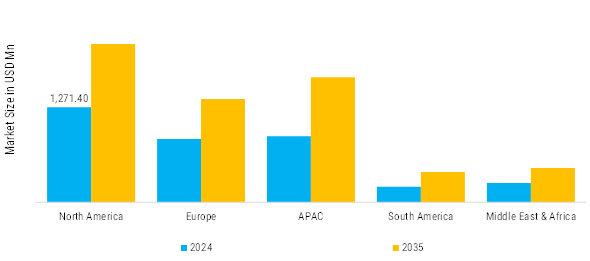
North America: Expanding Consumers trade

The North American Consumers trade up for quieter housings, variable-speed control, and self-clean cycles, while prosumers gravitate toward near-commercial results at home (600–900 W and 900 W+ tiers). Commercial buyers emphasize throughput, consistency, and acoustic control for open counters. Distribution is omnichannel: specialty/kitchen stores and DTC drive premium discovery and service plans; e-commerce has become a default research and replenishment path; big-box retail moves volume in mass and mid segments. Materials skew BPA-free plastics and Tritan jars for portability and impact resistance, with glass popular in design-centric households and stainless prominent in foodservice.

Blenders Market Regional Insights

Europe: Emerging high cooking frequency

The region’s blender demand is shaped by compact urban kitchens, high cooking frequency, and a strong culture of soups, sauces, and purées that favors immersion wands alongside countertop models. Consumers focus on energy efficiency, safety, and design, with glass jars and stainless shafts popular given Europe’s hygiene and durability preferences. Regulations around eco-design, recyclability, and product safety reinforce shifts toward efficient motors, longer warranties, and repairability. Premiumization is steady—quieter, better-finished appliances with multi-function kits—and specialty retail remains influential for demonstrations and attachment upsells, while e-commerce accelerates cross-border access to niche brands. Commercial demand is healthy in cafés, boutique hospitality, and bakery/café hybrids seeking consistency and lower noise. Growth is supported by renovation cycles, electrification of small appliances in Eastern Europe, and wellness culture spreading beyond early-adopter markets.

Asia-Pacific: Development of modern retail and e-commerce

The Asia-Pacific is rapid urbanization, expansion of modern retail and e-commerce, rising disposable incomes, and a young, digital-first consumer base eager for portable, affordable appliances. The region’s culinary diversity drives distinct use cases—from soy/plant-milk and hot-blend soups to fruit-ice smoothies—supporting both personal/portable formats (≤300 W) and mid-power countertop units (300–900 W). India’s juicer-mixer-grinder heritage boosts prosumer adoption in the 600–900 W band; China’s social commerce and live-stream retail accelerate new-brand trial; Japan and Korea favor quiet, compact, and high-precision builds. Commercial demand expands with café chains, bubble-tea and smoothie concepts, and QSR beverage programs in malls and transit hubs. Procurement is heavily online for consumers (marketplaces, live-stream deals) and increasingly DTC for premium and commercial specs. Materials skew to Tritan/polycarbonate for impact resistance and portability.

Middle Eat & Africa: Emerging youthful demographics

Middle East and Africa (MEA) demand is increasingly shaped by youthful demographics, expanding modern trade, and the proliferation of cafés, juice bars, and casual dining across GCC cities and North African hubs. Households adopt mid-range countertop blenders for smoothies, soups, and regional sauces; portables gain traction among office workers and students; immersion wands assist compact urban kitchens. In the Gulf, premiumization is visible in design-forward appliances and quieter housings; in North and Sub-Saharan Africa, value and mid-tier units dominate, with e-commerce and social commerce widening access beyond major cities. Commercial buyers in hospitality and QSRs emphasize durability, service coverage, and quick-clean designs suited to high ambient temperatures and long hours. Retail is a mix of hypermarkets, electronics chains, specialty stores, and fast-growing online marketplaces.

South America: Emerging e-commerce and digital payments

South America is demand is anchored in Brazil, Mexico, Argentina, Chile, and Colombia, where home blending is strongly associated with fruit-based beverages and cooking prep. Growth is powered by rising middle-class consumption, the normalization of e-commerce and digital payments, and retailer private-label programs that broaden affordability. Mass and mid-range countertop models dominate, typically with plastic/Tritan jars for lightness and resilience, while immersion blenders gain share in compact kitchens. Portables see rapid uptake among students and young professionals. Commercial demand is steady in juice bars, bakeries, and cafés, with higher-wattage units adopted by QSR beverage counters in malls. Sales channels vary by country: hypermarkets and appliance chains move volume, while marketplaces (Mercado Libre and retailer.com sites) expand reach and price transparency. Currency swings and import duties can influence ASPs, making locally assembled or regional brands particularly competitive.

Key Players and Competitive Insights

Many global, regional, and local vendors characterize the Blenders Market. The market is highly competitive, with all the players competing to gain market share. Intense competition, rapid advances in technology, frequent changes in government policies, and environmental regulations are key factors that confront market growth. The vendors compete based on cost, product quality, reliability, and government regulations. Vendors must provide cost-efficient, high-quality products to survive and succeed in an intensely competitive market.
The major players in the market Include Sharkninja / Ninja, Philips (Versuni), Kitchenaid (Whirlpool), Hamilton Beach, Vitamix, Cuisinart (Conair), Panasonic Corporation, Nutribullet (Capital Brands), Blendtec strategic market developments and decisions to improve operational effectiveness.

Key Companies in the Blenders Market include

Industry Developments

May 2025: SharkNinja has built its growth strategy on a strong foundation of innovation, consumer-centric design, and product diversification. The company focuses heavily on understanding evolving consumer needs, particularly in modern households that prioritize speed, convenience, and multifunctionality. By integrating intelligent blending systems, multiple attachments, and smart control features, SharkNinja has established itself as a brand that simplifies complex culinary tasks. A major strategic pillar has been the expansion of its Ninja sub-brand into a versatile kitchen ecosystem that includes food processors, beverage makers, and air fryers—allowing it to cross-leverage consumer loyalty across categories.

January 2025: Philips, now operating under the home appliance entity Versuni, has adopted a strategy rooted in technological innovation, energy efficiency, and wellness integration. The company focuses on creating appliances that combine functionality with health benefits, appealing to consumers increasingly concerned about nutrition and sustainability. In its blender segment, Philips leverages proprietary technologies like ProBlend and vacuum blending systems to enhance texture, nutrient retention, and blending consistency. A major part of its growth strategy is centered around digital transformation, integrating smart features such as app connectivity, recipe guidance, and automatic blending programs. Philips also places heavy emphasis on sustainability, designing energy-efficient motors, recyclable components, and durable build quality to extend product lifecycles. Versuni has been strengthening e-commerce distribution by partnering with platforms like Amazon and developing direct sales through brand-owned online stores.

May 2025: KitchenAid’s strategy is anchored in premium craftsmanship, design-led innovation, and heritage branding. As a division of Whirlpool Corporation, KitchenAid capitalizes on its iconic reputation for durability and performance to maintain dominance in the high-end blender segment. The company focuses on blending aesthetics with functionality—its blenders feature robust motors, metal bodies, and customizable finishes that appeal to both professional chefs and design-conscious consumers. KitchenAid’s strategy centers on sustaining a premium identity, avoiding overexposure in the mass market to preserve its luxury positioning. Its product innovation roadmap focuses on performance upgrades, including improved speed controls, blending precision, and energy efficiency.

Future Outlook

Blenders Market Future Outlook

The Blenders Market is projected to grow at a 5.19% CAGR from 2025 to 2035, driven by increasing demand for high-performance computing and enhanced security features.

New opportunities lie in:

  • <p>Expansion Of E-Commerce Platforms Offering Greater Accessibility to Blenders</p>
  • <p>Growing Trend of Meal Prep and <a href="https://www.marketresearchfuture.com/reports/smoothie-market-6577" target="_blank" title="smoothie">Smoothie</a> Culture Creating New Customer Segments</p>
  • <p>Development Of Smart Blenders Integrated with Technology for Convenient Usage</p>

By 2035, the Blenders Market is expected to achieve robust growth, reflecting evolving consumer preferences and innovation.

Market Segmentation

Blenders Market by End User Outlook

  • Consumer Or Personal
  • Professional Or Commercial[Foodservice
  • Smoothie Shops
  • QSR
  • Cafés]
  • Hospitality
  • Institutional

Blenders Market by Material Outlook

  • Plastic
  • Glass
  • Stainless Steel

Blenders Market by Price Range Outlook

  • Mass (Less Than $60
  • Mid ($60–$150)
  • Premium ($150–$350)
  • High-End ($350–$700 And Above)

Blenders Market by Power Rating Outlook

  • Up To 300 Watts
  • 300–600 Watts
  • 600–900 Watts
  • above 900 Watts

Blenders Market by Product Type Outlook

  • Countertop Blenders
  • Personal and Portable Blenders
  • Immersion and Hand Blenders
  • Commercial and Heavy-Duty Blenders

Blenders Market by Distribution Channel Outlook

  • Brick-And-Mortar Retail
  • Specialty Or Kitchen Stores
  • Online Or E-Commerce
  • Direct-To-Consumer (DTC

Report Scope

Market Size 2024

3,470.0 (USD Million)

Market Size 2025

3,641.8 (USD Million)

Market Size 2035

6,040.0 (USD Million)

Compound Annual Growth Rate (CAGR)

5.19% (2025 - 2035)

Report Coverage

Revenue Forecast, Competitive Landscape, Growth Factors, and Trends

Base Year

2024

Market Forecast Period

2025 - 2035

Historical Data

2019 - 2023

Market Forecast Units

USD Million

Key Companies Profiled

Sharkninja / Ninja, Philips (Versuni), Kitchenaid (Whirlpool), Hamilton Beach, Vitamix, Cuisinart (Conair), Panasonic Corporation, Nutribullet (Capital Brands), Blendtec

Segments Covered

By Product Type, By Power Rating, By Material, By Price Range, By End User, By Distribution Channel

Key Market Opportunities

Expansion Of E-Commerce Platforms Offering Greater Accessibility to Blenders.    

Growing Trend of Meal Prep and Smoothie Culture Creating New Customer Segments.

Development Of Smart Blenders Integrated with Technology for Convenient Usage.

Key Market Dynamics

Growth Of the Foodservice Industry Supporting Elevated Sales of Blenders.

Increasing Demand for Innovative Kitchen Appliances Among Consumers.

Rising Trend of Health Consciousness Leading to Higher Usage of Blenders for Nutritious Foods.

Region Covered

North America, Europe, APAC, South America, MEA


FAQs

What is the current valuation of the Blenders Market as of 2024?

<p>The Blenders Market was valued at 3.472 USD Billion in 2024.</p>

What is the projected market valuation for the Blenders Market in 2035?

<p>The Blenders Market is projected to reach a valuation of 6.065 USD Billion by 2035.</p>

What is the expected CAGR for the Blenders Market during the forecast period 2025 - 2035?

<p>The expected CAGR for the Blenders Market during the forecast period 2025 - 2035 is 5.2%.</p>

Which segment of blenders had the highest valuation in 2024?

<p>In 2024, Countertop Blenders had the highest valuation at 2.5 USD Billion.</p>

How do online sales compare to offline sales in the Blenders Market?

<p>In 2024, online sales were valued at 1.972 USD Billion, while offline sales were at 1.5 USD Billion.</p>

What materials are commonly used in the production of blenders?

Common materials include Plastic, Stainless Steel, Glass, and others, with Plastic valued at 2.5 USD Billion in 2024.

Which power segment of blenders is expected to grow the most by 2035?

The 400 to 699 Watts power segment is likely to grow significantly, with a valuation of 2.0 USD Billion projected by 2035.

Who are the key players in the Blenders Market?

Key players in the Blenders Market include Vitamix, Breville, Ninja, KitchenAid, Hamilton Beach, Oster, Cuisinart, Philips, and Bosch.

What is the valuation of Personal Blenders in 2024?

Personal Blenders were valued at 1.0 USD Billion in 2024.

What trends are anticipated in the Blenders Market by 2035?

The Blenders Market may experience growth across all segments, particularly in online sales and higher wattage models.

  1. SECTION I: EXECUTIVE SUMMARY AND KEY HIGHLIGHTS
    1. | 1.1 EXECUTIVE SUMMARY
    2. | | 1.1.1 Market Overview
    3. | | 1.1.2 Key Findings
    4. | | 1.1.3 Market Segmentation
    5. | | 1.1.4 Competitive Landscape
    6. | | 1.1.5 Challenges and Opportunities
    7. | | 1.1.6 Future Outlook
  2. SECTION II: SCOPING, METHODOLOGY AND MARKET STRUCTURE
    1. | 2.1 MARKET INTRODUCTION
    2. | | 2.1.1 Definition
    3. | | 2.1.2 Scope of the study
    4. | | | 2.1.2.1 Research Objective
    5. | | | 2.1.2.2 Assumption
    6. | | | 2.1.2.3 Limitations
    7. | 2.2 RESEARCH METHODOLOGY
    8. | | 2.2.1 Overview
    9. | | 2.2.2 Data Mining
    10. | | 2.2.3 Secondary Research
    11. | | 2.2.4 Primary Research
    12. | | | 2.2.4.1 Primary Interviews and Information Gathering Process
    13. | | | 2.2.4.2 Breakdown of Primary Respondents
    14. | | 2.2.5 Forecasting Model
    15. | | 2.2.6 Market Size Estimation
    16. | | | 2.2.6.1 Bottom-Up Approach
    17. | | | 2.2.6.2 Top-Down Approach
    18. | | 2.2.7 Data Triangulation
    19. | | 2.2.8 Validation
  3. SECTION III: QUALITATIVE ANALYSIS
    1. | 3.1 MARKET DYNAMICS
    2. | | 3.1.1 Overview
    3. | | 3.1.2 Drivers
    4. | | 3.1.3 Restraints
    5. | | 3.1.4 Opportunities
    6. | 3.2 MARKET FACTOR ANALYSIS
    7. | | 3.2.1 Value chain Analysis
    8. | | 3.2.2 Porter's Five Forces Analysis
    9. | | | 3.2.2.1 Bargaining Power of Suppliers
    10. | | | 3.2.2.2 Bargaining Power of Buyers
    11. | | | 3.2.2.3 Threat of New Entrants
    12. | | | 3.2.2.4 Threat of Substitutes
    13. | | | 3.2.2.5 Intensity of Rivalry
    14. | | 3.2.3 COVID-19 Impact Analysis
    15. | | | 3.2.3.1 Market Impact Analysis
    16. | | | 3.2.3.2 Regional Impact
    17. | | | 3.2.3.3 Opportunity and Threat Analysis
  4. SECTION IV: QUANTITATIVE ANALYSIS
    1. | 4.1 Consumer and Retail, BY Type (USD Billion)
    2. | | 4.1.1 Countertop Blenders
    3. | | 4.1.2 Personal Blenders
    4. | | 4.1.3 Hand Blenders
    5. | 4.2 Consumer and Retail, BY Material Type (USD Billion)
    6. | | 4.2.1 Plastic
    7. | | 4.2.2 Stainless Steel
    8. | | 4.2.3 Glass
    9. | | 4.2.4 Others (Aluminum, Copper etc.)
    10. | 4.3 Consumer and Retail, BY Power (USD Billion)
    11. | | 4.3.1 > 200 Watts
    12. | | 4.3.2 200 to 399 Watts
    13. | | 4.3.3 400 to 699 Watts
    14. | | 4.3.4 700 to 999 Watts
    15. | | 4.3.5 > 1,000 Watts
    16. | 4.4 Consumer and Retail, BY Sales Channel (USD Billion)
    17. | | 4.4.1 Offline Channel
    18. | | 4.4.2 Online Channel
    19. | 4.5 Consumer and Retail, BY Region (USD Billion)
    20. | | 4.5.1 North America
    21. | | | 4.5.1.1 US
    22. | | | 4.5.1.2 Canada
    23. | | 4.5.2 Europe
    24. | | | 4.5.2.1 Germany
    25. | | | 4.5.2.2 UK
    26. | | | 4.5.2.3 France
    27. | | | 4.5.2.4 Russia
    28. | | | 4.5.2.5 Italy
    29. | | | 4.5.2.6 Spain
    30. | | | 4.5.2.7 Rest of Europe
    31. | | 4.5.3 APAC
    32. | | | 4.5.3.1 China
    33. | | | 4.5.3.2 India
    34. | | | 4.5.3.3 Japan
    35. | | | 4.5.3.4 South Korea
    36. | | | 4.5.3.5 Malaysia
    37. | | | 4.5.3.6 Thailand
    38. | | | 4.5.3.7 Indonesia
    39. | | | 4.5.3.8 Rest of APAC
    40. | | 4.5.4 South America
    41. | | | 4.5.4.1 Brazil
    42. | | | 4.5.4.2 Mexico
    43. | | | 4.5.4.3 Argentina
    44. | | | 4.5.4.4 Rest of South America
    45. | | 4.5.5 MEA
    46. | | | 4.5.5.1 GCC Countries
    47. | | | 4.5.5.2 South Africa
    48. | | | 4.5.5.3 Rest of MEA
  5. SECTION V: COMPETITIVE ANALYSIS
    1. | 5.1 Competitive Landscape
    2. | | 5.1.1 Overview
    3. | | 5.1.2 Competitive Analysis
    4. | | 5.1.3 Market share Analysis
    5. | | 5.1.4 Major Growth Strategy in the Consumer and Retail
    6. | | 5.1.5 Competitive Benchmarking
    7. | | 5.1.6 Leading Players in Terms of Number of Developments in the Consumer and Retail
    8. | | 5.1.7 Key developments and growth strategies
    9. | | | 5.1.7.1 New Product Launch/Service Deployment
    10. | | | 5.1.7.2 Merger & Acquisitions
    11. | | | 5.1.7.3 Joint Ventures
    12. | | 5.1.8 Major Players Financial Matrix
    13. | | | 5.1.8.1 Sales and Operating Income
    14. | | | 5.1.8.2 Major Players R&D Expenditure. 2023
    15. | 5.2 Company Profiles
    16. | | 5.2.1 Vitamix (US)
    17. | | | 5.2.1.1 Financial Overview
    18. | | | 5.2.1.2 Products Offered
    19. | | | 5.2.1.3 Key Developments
    20. | | | 5.2.1.4 SWOT Analysis
    21. | | | 5.2.1.5 Key Strategies
    22. | | 5.2.2 Breville (AU)
    23. | | | 5.2.2.1 Financial Overview
    24. | | | 5.2.2.2 Products Offered
    25. | | | 5.2.2.3 Key Developments
    26. | | | 5.2.2.4 SWOT Analysis
    27. | | | 5.2.2.5 Key Strategies
    28. | | 5.2.3 Ninja (US)
    29. | | | 5.2.3.1 Financial Overview
    30. | | | 5.2.3.2 Products Offered
    31. | | | 5.2.3.3 Key Developments
    32. | | | 5.2.3.4 SWOT Analysis
    33. | | | 5.2.3.5 Key Strategies
    34. | | 5.2.4 KitchenAid (US)
    35. | | | 5.2.4.1 Financial Overview
    36. | | | 5.2.4.2 Products Offered
    37. | | | 5.2.4.3 Key Developments
    38. | | | 5.2.4.4 SWOT Analysis
    39. | | | 5.2.4.5 Key Strategies
    40. | | 5.2.5 Hamilton Beach (US)
    41. | | | 5.2.5.1 Financial Overview
    42. | | | 5.2.5.2 Products Offered
    43. | | | 5.2.5.3 Key Developments
    44. | | | 5.2.5.4 SWOT Analysis
    45. | | | 5.2.5.5 Key Strategies
    46. | | 5.2.6 Oster (US)
    47. | | | 5.2.6.1 Financial Overview
    48. | | | 5.2.6.2 Products Offered
    49. | | | 5.2.6.3 Key Developments
    50. | | | 5.2.6.4 SWOT Analysis
    51. | | | 5.2.6.5 Key Strategies
    52. | | 5.2.7 Cuisinart (US)
    53. | | | 5.2.7.1 Financial Overview
    54. | | | 5.2.7.2 Products Offered
    55. | | | 5.2.7.3 Key Developments
    56. | | | 5.2.7.4 SWOT Analysis
    57. | | | 5.2.7.5 Key Strategies
    58. | | 5.2.8 Philips (NL)
    59. | | | 5.2.8.1 Financial Overview
    60. | | | 5.2.8.2 Products Offered
    61. | | | 5.2.8.3 Key Developments
    62. | | | 5.2.8.4 SWOT Analysis
    63. | | | 5.2.8.5 Key Strategies
    64. | | 5.2.9 Bosch (DE)
    65. | | | 5.2.9.1 Financial Overview
    66. | | | 5.2.9.2 Products Offered
    67. | | | 5.2.9.3 Key Developments
    68. | | | 5.2.9.4 SWOT Analysis
    69. | | | 5.2.9.5 Key Strategies
    70. | 5.3 Appendix
    71. | | 5.3.1 References
    72. | | 5.3.2 Related Reports
  6. LIST OF FIGURES
    1. | 6.1 MARKET SYNOPSIS
    2. | 6.2 NORTH AMERICA MARKET ANALYSIS
    3. | 6.3 US MARKET ANALYSIS BY TYPE
    4. | 6.4 US MARKET ANALYSIS BY MATERIAL TYPE
    5. | 6.5 US MARKET ANALYSIS BY POWER
    6. | 6.6 US MARKET ANALYSIS BY SALES CHANNEL
    7. | 6.7 CANADA MARKET ANALYSIS BY TYPE
    8. | 6.8 CANADA MARKET ANALYSIS BY MATERIAL TYPE
    9. | 6.9 CANADA MARKET ANALYSIS BY POWER
    10. | 6.10 CANADA MARKET ANALYSIS BY SALES CHANNEL
    11. | 6.11 EUROPE MARKET ANALYSIS
    12. | 6.12 GERMANY MARKET ANALYSIS BY TYPE
    13. | 6.13 GERMANY MARKET ANALYSIS BY MATERIAL TYPE
    14. | 6.14 GERMANY MARKET ANALYSIS BY POWER
    15. | 6.15 GERMANY MARKET ANALYSIS BY SALES CHANNEL
    16. | 6.16 UK MARKET ANALYSIS BY TYPE
    17. | 6.17 UK MARKET ANALYSIS BY MATERIAL TYPE
    18. | 6.18 UK MARKET ANALYSIS BY POWER
    19. | 6.19 UK MARKET ANALYSIS BY SALES CHANNEL
    20. | 6.20 FRANCE MARKET ANALYSIS BY TYPE
    21. | 6.21 FRANCE MARKET ANALYSIS BY MATERIAL TYPE
    22. | 6.22 FRANCE MARKET ANALYSIS BY POWER
    23. | 6.23 FRANCE MARKET ANALYSIS BY SALES CHANNEL
    24. | 6.24 RUSSIA MARKET ANALYSIS BY TYPE
    25. | 6.25 RUSSIA MARKET ANALYSIS BY MATERIAL TYPE
    26. | 6.26 RUSSIA MARKET ANALYSIS BY POWER
    27. | 6.27 RUSSIA MARKET ANALYSIS BY SALES CHANNEL
    28. | 6.28 ITALY MARKET ANALYSIS BY TYPE
    29. | 6.29 ITALY MARKET ANALYSIS BY MATERIAL TYPE
    30. | 6.30 ITALY MARKET ANALYSIS BY POWER
    31. | 6.31 ITALY MARKET ANALYSIS BY SALES CHANNEL
    32. | 6.32 SPAIN MARKET ANALYSIS BY TYPE
    33. | 6.33 SPAIN MARKET ANALYSIS BY MATERIAL TYPE
    34. | 6.34 SPAIN MARKET ANALYSIS BY POWER
    35. | 6.35 SPAIN MARKET ANALYSIS BY SALES CHANNEL
    36. | 6.36 REST OF EUROPE MARKET ANALYSIS BY TYPE
    37. | 6.37 REST OF EUROPE MARKET ANALYSIS BY MATERIAL TYPE
    38. | 6.38 REST OF EUROPE MARKET ANALYSIS BY POWER
    39. | 6.39 REST OF EUROPE MARKET ANALYSIS BY SALES CHANNEL
    40. | 6.40 APAC MARKET ANALYSIS
    41. | 6.41 CHINA MARKET ANALYSIS BY TYPE
    42. | 6.42 CHINA MARKET ANALYSIS BY MATERIAL TYPE
    43. | 6.43 CHINA MARKET ANALYSIS BY POWER
    44. | 6.44 CHINA MARKET ANALYSIS BY SALES CHANNEL
    45. | 6.45 INDIA MARKET ANALYSIS BY TYPE
    46. | 6.46 INDIA MARKET ANALYSIS BY MATERIAL TYPE
    47. | 6.47 INDIA MARKET ANALYSIS BY POWER
    48. | 6.48 INDIA MARKET ANALYSIS BY SALES CHANNEL
    49. | 6.49 JAPAN MARKET ANALYSIS BY TYPE
    50. | 6.50 JAPAN MARKET ANALYSIS BY MATERIAL TYPE
    51. | 6.51 JAPAN MARKET ANALYSIS BY POWER
    52. | 6.52 JAPAN MARKET ANALYSIS BY SALES CHANNEL
    53. | 6.53 SOUTH KOREA MARKET ANALYSIS BY TYPE
    54. | 6.54 SOUTH KOREA MARKET ANALYSIS BY MATERIAL TYPE
    55. | 6.55 SOUTH KOREA MARKET ANALYSIS BY POWER
    56. | 6.56 SOUTH KOREA MARKET ANALYSIS BY SALES CHANNEL
    57. | 6.57 MALAYSIA MARKET ANALYSIS BY TYPE
    58. | 6.58 MALAYSIA MARKET ANALYSIS BY MATERIAL TYPE
    59. | 6.59 MALAYSIA MARKET ANALYSIS BY POWER
    60. | 6.60 MALAYSIA MARKET ANALYSIS BY SALES CHANNEL
    61. | 6.61 THAILAND MARKET ANALYSIS BY TYPE
    62. | 6.62 THAILAND MARKET ANALYSIS BY MATERIAL TYPE
    63. | 6.63 THAILAND MARKET ANALYSIS BY POWER
    64. | 6.64 THAILAND MARKET ANALYSIS BY SALES CHANNEL
    65. | 6.65 INDONESIA MARKET ANALYSIS BY TYPE
    66. | 6.66 INDONESIA MARKET ANALYSIS BY MATERIAL TYPE
    67. | 6.67 INDONESIA MARKET ANALYSIS BY POWER
    68. | 6.68 INDONESIA MARKET ANALYSIS BY SALES CHANNEL
    69. | 6.69 REST OF APAC MARKET ANALYSIS BY TYPE
    70. | 6.70 REST OF APAC MARKET ANALYSIS BY MATERIAL TYPE
    71. | 6.71 REST OF APAC MARKET ANALYSIS BY POWER
    72. | 6.72 REST OF APAC MARKET ANALYSIS BY SALES CHANNEL
    73. | 6.73 SOUTH AMERICA MARKET ANALYSIS
    74. | 6.74 BRAZIL MARKET ANALYSIS BY TYPE
    75. | 6.75 BRAZIL MARKET ANALYSIS BY MATERIAL TYPE
    76. | 6.76 BRAZIL MARKET ANALYSIS BY POWER
    77. | 6.77 BRAZIL MARKET ANALYSIS BY SALES CHANNEL
    78. | 6.78 MEXICO MARKET ANALYSIS BY TYPE
    79. | 6.79 MEXICO MARKET ANALYSIS BY MATERIAL TYPE
    80. | 6.80 MEXICO MARKET ANALYSIS BY POWER
    81. | 6.81 MEXICO MARKET ANALYSIS BY SALES CHANNEL
    82. | 6.82 ARGENTINA MARKET ANALYSIS BY TYPE
    83. | 6.83 ARGENTINA MARKET ANALYSIS BY MATERIAL TYPE
    84. | 6.84 ARGENTINA MARKET ANALYSIS BY POWER
    85. | 6.85 ARGENTINA MARKET ANALYSIS BY SALES CHANNEL
    86. | 6.86 REST OF SOUTH AMERICA MARKET ANALYSIS BY TYPE
    87. | 6.87 REST OF SOUTH AMERICA MARKET ANALYSIS BY MATERIAL TYPE
    88. | 6.88 REST OF SOUTH AMERICA MARKET ANALYSIS BY POWER
    89. | 6.89 REST OF SOUTH AMERICA MARKET ANALYSIS BY SALES CHANNEL
    90. | 6.90 MEA MARKET ANALYSIS
    91. | 6.91 GCC COUNTRIES MARKET ANALYSIS BY TYPE
    92. | 6.92 GCC COUNTRIES MARKET ANALYSIS BY MATERIAL TYPE
    93. | 6.93 GCC COUNTRIES MARKET ANALYSIS BY POWER
    94. | 6.94 GCC COUNTRIES MARKET ANALYSIS BY SALES CHANNEL
    95. | 6.95 SOUTH AFRICA MARKET ANALYSIS BY TYPE
    96. | 6.96 SOUTH AFRICA MARKET ANALYSIS BY MATERIAL TYPE
    97. | 6.97 SOUTH AFRICA MARKET ANALYSIS BY POWER
    98. | 6.98 SOUTH AFRICA MARKET ANALYSIS BY SALES CHANNEL
    99. | 6.99 REST OF MEA MARKET ANALYSIS BY TYPE
    100. | 6.100 REST OF MEA MARKET ANALYSIS BY MATERIAL TYPE
    101. | 6.101 REST OF MEA MARKET ANALYSIS BY POWER
    102. | 6.102 REST OF MEA MARKET ANALYSIS BY SALES CHANNEL
    103. | 6.103 KEY BUYING CRITERIA OF CONSUMER AND RETAIL
    104. | 6.104 RESEARCH PROCESS OF MRFR
    105. | 6.105 DRO ANALYSIS OF CONSUMER AND RETAIL
    106. | 6.106 DRIVERS IMPACT ANALYSIS: CONSUMER AND RETAIL
    107. | 6.107 RESTRAINTS IMPACT ANALYSIS: CONSUMER AND RETAIL
    108. | 6.108 SUPPLY / VALUE CHAIN: CONSUMER AND RETAIL
    109. | 6.109 CONSUMER AND RETAIL, BY TYPE, 2024 (% SHARE)
    110. | 6.110 CONSUMER AND RETAIL, BY TYPE, 2024 TO 2035 (USD Billion)
    111. | 6.111 CONSUMER AND RETAIL, BY MATERIAL TYPE, 2024 (% SHARE)
    112. | 6.112 CONSUMER AND RETAIL, BY MATERIAL TYPE, 2024 TO 2035 (USD Billion)
    113. | 6.113 CONSUMER AND RETAIL, BY POWER, 2024 (% SHARE)
    114. | 6.114 CONSUMER AND RETAIL, BY POWER, 2024 TO 2035 (USD Billion)
    115. | 6.115 CONSUMER AND RETAIL, BY SALES CHANNEL, 2024 (% SHARE)
    116. | 6.116 CONSUMER AND RETAIL, BY SALES CHANNEL, 2024 TO 2035 (USD Billion)
    117. | 6.117 BENCHMARKING OF MAJOR COMPETITORS
  7. LIST OF TABLES
    1. | 7.1 LIST OF ASSUMPTIONS
    2. | | 7.1.1
    3. | 7.2 North America MARKET SIZE ESTIMATES; FORECAST
    4. | | 7.2.1 BY TYPE, 2025-2035 (USD Billion)
    5. | | 7.2.2 BY MATERIAL TYPE, 2025-2035 (USD Billion)
    6. | | 7.2.3 BY POWER, 2025-2035 (USD Billion)
    7. | | 7.2.4 BY SALES CHANNEL, 2025-2035 (USD Billion)
    8. | 7.3 US MARKET SIZE ESTIMATES; FORECAST
    9. | | 7.3.1 BY TYPE, 2025-2035 (USD Billion)
    10. | | 7.3.2 BY MATERIAL TYPE, 2025-2035 (USD Billion)
    11. | | 7.3.3 BY POWER, 2025-2035 (USD Billion)
    12. | | 7.3.4 BY SALES CHANNEL, 2025-2035 (USD Billion)
    13. | 7.4 Canada MARKET SIZE ESTIMATES; FORECAST
    14. | | 7.4.1 BY TYPE, 2025-2035 (USD Billion)
    15. | | 7.4.2 BY MATERIAL TYPE, 2025-2035 (USD Billion)
    16. | | 7.4.3 BY POWER, 2025-2035 (USD Billion)
    17. | | 7.4.4 BY SALES CHANNEL, 2025-2035 (USD Billion)
    18. | 7.5 Europe MARKET SIZE ESTIMATES; FORECAST
    19. | | 7.5.1 BY TYPE, 2025-2035 (USD Billion)
    20. | | 7.5.2 BY MATERIAL TYPE, 2025-2035 (USD Billion)
    21. | | 7.5.3 BY POWER, 2025-2035 (USD Billion)
    22. | | 7.5.4 BY SALES CHANNEL, 2025-2035 (USD Billion)
    23. | 7.6 Germany MARKET SIZE ESTIMATES; FORECAST
    24. | | 7.6.1 BY TYPE, 2025-2035 (USD Billion)
    25. | | 7.6.2 BY MATERIAL TYPE, 2025-2035 (USD Billion)
    26. | | 7.6.3 BY POWER, 2025-2035 (USD Billion)
    27. | | 7.6.4 BY SALES CHANNEL, 2025-2035 (USD Billion)
    28. | 7.7 UK MARKET SIZE ESTIMATES; FORECAST
    29. | | 7.7.1 BY TYPE, 2025-2035 (USD Billion)
    30. | | 7.7.2 BY MATERIAL TYPE, 2025-2035 (USD Billion)
    31. | | 7.7.3 BY POWER, 2025-2035 (USD Billion)
    32. | | 7.7.4 BY SALES CHANNEL, 2025-2035 (USD Billion)
    33. | 7.8 France MARKET SIZE ESTIMATES; FORECAST
    34. | | 7.8.1 BY TYPE, 2025-2035 (USD Billion)
    35. | | 7.8.2 BY MATERIAL TYPE, 2025-2035 (USD Billion)
    36. | | 7.8.3 BY POWER, 2025-2035 (USD Billion)
    37. | | 7.8.4 BY SALES CHANNEL, 2025-2035 (USD Billion)
    38. | 7.9 Russia MARKET SIZE ESTIMATES; FORECAST
    39. | | 7.9.1 BY TYPE, 2025-2035 (USD Billion)
    40. | | 7.9.2 BY MATERIAL TYPE, 2025-2035 (USD Billion)
    41. | | 7.9.3 BY POWER, 2025-2035 (USD Billion)
    42. | | 7.9.4 BY SALES CHANNEL, 2025-2035 (USD Billion)
    43. | 7.10 Italy MARKET SIZE ESTIMATES; FORECAST
    44. | | 7.10.1 BY TYPE, 2025-2035 (USD Billion)
    45. | | 7.10.2 BY MATERIAL TYPE, 2025-2035 (USD Billion)
    46. | | 7.10.3 BY POWER, 2025-2035 (USD Billion)
    47. | | 7.10.4 BY SALES CHANNEL, 2025-2035 (USD Billion)
    48. | 7.11 Spain MARKET SIZE ESTIMATES; FORECAST
    49. | | 7.11.1 BY TYPE, 2025-2035 (USD Billion)
    50. | | 7.11.2 BY MATERIAL TYPE, 2025-2035 (USD Billion)
    51. | | 7.11.3 BY POWER, 2025-2035 (USD Billion)
    52. | | 7.11.4 BY SALES CHANNEL, 2025-2035 (USD Billion)
    53. | 7.12 Rest of Europe MARKET SIZE ESTIMATES; FORECAST
    54. | | 7.12.1 BY TYPE, 2025-2035 (USD Billion)
    55. | | 7.12.2 BY MATERIAL TYPE, 2025-2035 (USD Billion)
    56. | | 7.12.3 BY POWER, 2025-2035 (USD Billion)
    57. | | 7.12.4 BY SALES CHANNEL, 2025-2035 (USD Billion)
    58. | 7.13 APAC MARKET SIZE ESTIMATES; FORECAST
    59. | | 7.13.1 BY TYPE, 2025-2035 (USD Billion)
    60. | | 7.13.2 BY MATERIAL TYPE, 2025-2035 (USD Billion)
    61. | | 7.13.3 BY POWER, 2025-2035 (USD Billion)
    62. | | 7.13.4 BY SALES CHANNEL, 2025-2035 (USD Billion)
    63. | 7.14 China MARKET SIZE ESTIMATES; FORECAST
    64. | | 7.14.1 BY TYPE, 2025-2035 (USD Billion)
    65. | | 7.14.2 BY MATERIAL TYPE, 2025-2035 (USD Billion)
    66. | | 7.14.3 BY POWER, 2025-2035 (USD Billion)
    67. | | 7.14.4 BY SALES CHANNEL, 2025-2035 (USD Billion)
    68. | 7.15 India MARKET SIZE ESTIMATES; FORECAST
    69. | | 7.15.1 BY TYPE, 2025-2035 (USD Billion)
    70. | | 7.15.2 BY MATERIAL TYPE, 2025-2035 (USD Billion)
    71. | | 7.15.3 BY POWER, 2025-2035 (USD Billion)
    72. | | 7.15.4 BY SALES CHANNEL, 2025-2035 (USD Billion)
    73. | 7.16 Japan MARKET SIZE ESTIMATES; FORECAST
    74. | | 7.16.1 BY TYPE, 2025-2035 (USD Billion)
    75. | | 7.16.2 BY MATERIAL TYPE, 2025-2035 (USD Billion)
    76. | | 7.16.3 BY POWER, 2025-2035 (USD Billion)
    77. | | 7.16.4 BY SALES CHANNEL, 2025-2035 (USD Billion)
    78. | 7.17 South Korea MARKET SIZE ESTIMATES; FORECAST
    79. | | 7.17.1 BY TYPE, 2025-2035 (USD Billion)
    80. | | 7.17.2 BY MATERIAL TYPE, 2025-2035 (USD Billion)
    81. | | 7.17.3 BY POWER, 2025-2035 (USD Billion)
    82. | | 7.17.4 BY SALES CHANNEL, 2025-2035 (USD Billion)
    83. | 7.18 Malaysia MARKET SIZE ESTIMATES; FORECAST
    84. | | 7.18.1 BY TYPE, 2025-2035 (USD Billion)
    85. | | 7.18.2 BY MATERIAL TYPE, 2025-2035 (USD Billion)
    86. | | 7.18.3 BY POWER, 2025-2035 (USD Billion)
    87. | | 7.18.4 BY SALES CHANNEL, 2025-2035 (USD Billion)
    88. | 7.19 Thailand MARKET SIZE ESTIMATES; FORECAST
    89. | | 7.19.1 BY TYPE, 2025-2035 (USD Billion)
    90. | | 7.19.2 BY MATERIAL TYPE, 2025-2035 (USD Billion)
    91. | | 7.19.3 BY POWER, 2025-2035 (USD Billion)
    92. | | 7.19.4 BY SALES CHANNEL, 2025-2035 (USD Billion)
    93. | 7.20 Indonesia MARKET SIZE ESTIMATES; FORECAST
    94. | | 7.20.1 BY TYPE, 2025-2035 (USD Billion)
    95. | | 7.20.2 BY MATERIAL TYPE, 2025-2035 (USD Billion)
    96. | | 7.20.3 BY POWER, 2025-2035 (USD Billion)
    97. | | 7.20.4 BY SALES CHANNEL, 2025-2035 (USD Billion)
    98. | 7.21 Rest of APAC MARKET SIZE ESTIMATES; FORECAST
    99. | | 7.21.1 BY TYPE, 2025-2035 (USD Billion)
    100. | | 7.21.2 BY MATERIAL TYPE, 2025-2035 (USD Billion)
    101. | | 7.21.3 BY POWER, 2025-2035 (USD Billion)
    102. | | 7.21.4 BY SALES CHANNEL, 2025-2035 (USD Billion)
    103. | 7.22 South America MARKET SIZE ESTIMATES; FORECAST
    104. | | 7.22.1 BY TYPE, 2025-2035 (USD Billion)
    105. | | 7.22.2 BY MATERIAL TYPE, 2025-2035 (USD Billion)
    106. | | 7.22.3 BY POWER, 2025-2035 (USD Billion)
    107. | | 7.22.4 BY SALES CHANNEL, 2025-2035 (USD Billion)
    108. | 7.23 Brazil MARKET SIZE ESTIMATES; FORECAST
    109. | | 7.23.1 BY TYPE, 2025-2035 (USD Billion)
    110. | | 7.23.2 BY MATERIAL TYPE, 2025-2035 (USD Billion)
    111. | | 7.23.3 BY POWER, 2025-2035 (USD Billion)
    112. | | 7.23.4 BY SALES CHANNEL, 2025-2035 (USD Billion)
    113. | 7.24 Mexico MARKET SIZE ESTIMATES; FORECAST
    114. | | 7.24.1 BY TYPE, 2025-2035 (USD Billion)
    115. | | 7.24.2 BY MATERIAL TYPE, 2025-2035 (USD Billion)
    116. | | 7.24.3 BY POWER, 2025-2035 (USD Billion)
    117. | | 7.24.4 BY SALES CHANNEL, 2025-2035 (USD Billion)
    118. | 7.25 Argentina MARKET SIZE ESTIMATES; FORECAST
    119. | | 7.25.1 BY TYPE, 2025-2035 (USD Billion)
    120. | | 7.25.2 BY MATERIAL TYPE, 2025-2035 (USD Billion)
    121. | | 7.25.3 BY POWER, 2025-2035 (USD Billion)
    122. | | 7.25.4 BY SALES CHANNEL, 2025-2035 (USD Billion)
    123. | 7.26 Rest of South America MARKET SIZE ESTIMATES; FORECAST
    124. | | 7.26.1 BY TYPE, 2025-2035 (USD Billion)
    125. | | 7.26.2 BY MATERIAL TYPE, 2025-2035 (USD Billion)
    126. | | 7.26.3 BY POWER, 2025-2035 (USD Billion)
    127. | | 7.26.4 BY SALES CHANNEL, 2025-2035 (USD Billion)
    128. | 7.27 MEA MARKET SIZE ESTIMATES; FORECAST
    129. | | 7.27.1 BY TYPE, 2025-2035 (USD Billion)
    130. | | 7.27.2 BY MATERIAL TYPE, 2025-2035 (USD Billion)
    131. | | 7.27.3 BY POWER, 2025-2035 (USD Billion)
    132. | | 7.27.4 BY SALES CHANNEL, 2025-2035 (USD Billion)
    133. | 7.28 GCC Countries MARKET SIZE ESTIMATES; FORECAST
    134. | | 7.28.1 BY TYPE, 2025-2035 (USD Billion)
    135. | | 7.28.2 BY MATERIAL TYPE, 2025-2035 (USD Billion)
    136. | | 7.28.3 BY POWER, 2025-2035 (USD Billion)
    137. | | 7.28.4 BY SALES CHANNEL, 2025-2035 (USD Billion)
    138. | 7.29 South Africa MARKET SIZE ESTIMATES; FORECAST
    139. | | 7.29.1 BY TYPE, 2025-2035 (USD Billion)
    140. | | 7.29.2 BY MATERIAL TYPE, 2025-2035 (USD Billion)
    141. | | 7.29.3 BY POWER, 2025-2035 (USD Billion)
    142. | | 7.29.4 BY SALES CHANNEL, 2025-2035 (USD Billion)
    143. | 7.30 Rest of MEA MARKET SIZE ESTIMATES; FORECAST
    144. | | 7.30.1 BY TYPE, 2025-2035 (USD Billion)
    145. | | 7.30.2 BY MATERIAL TYPE, 2025-2035 (USD Billion)
    146. | | 7.30.3 BY POWER, 2025-2035 (USD Billion)
    147. | | 7.30.4 BY SALES CHANNEL, 2025-2035 (USD Billion)
    148. | 7.31 PRODUCT LAUNCH/PRODUCT DEVELOPMENT/APPROVAL
    149. | | 7.31.1
    150. | 7.32 ACQUISITION/PARTNERSHIP
    151. | | 7.32.1

Consumer and Retail Market Segmentation

Consumer and Retail By Type (USD Billion, 2025-2035)

  • Countertop Blenders
  • Personal Blenders
  • Hand Blenders

Consumer and Retail By Material Type (USD Billion, 2025-2035)

  • Plastic
  • Stainless Steel
  • Glass
  • Others (Aluminum, Copper etc.)

Consumer and Retail By Power (USD Billion, 2025-2035)

  • > 200 Watts
  • 200 to 399 Watts
  • 400 to 699 Watts
  • 700 to 999 Watts
  • > 1,000 Watts

Consumer and Retail By Sales Channel (USD Billion, 2025-2035)

  • Offline Channel
  • Online Channel
Infographic

Free Sample Request

Kindly complete the form below to receive a free sample of this Report

Get Free Sample

Customer Strories

Compare Licence

×
Features License Type
Single User Multiuser License Enterprise User
Price $4,950 $5,950 $7,250
Maximum User Access Limit 1 User Upto 10 Users Unrestricted Access Throughout the Organization
Free Customization
Direct Access to Analyst
Deliverable Format
Platform Access
Discount on Next Purchase 10% 15% 15%
Printable Versions