Top 4 Types of Bathroom Vanities
Bathroom Vanities Market Overview
Bathroom vanities have evolved from being simple utility fixtures to becoming a key element of modern interior design. Today’s consumers seek vanities that combine aesthetic appeal, functionality, and efficient use of space—transforming bathrooms into personalized, stylish, and comfortable spaces. Whether for a compact apartment or a spacious home, the right vanity enhances both storage efficiency and visual harmony, serving as a central piece that balances design and practicality.
As consumer preferences shift toward customized home solutions, bathroom furniture manufacturers and interior brands are innovating with materials, finishes, and configurations to cater to diverse needs. From minimalistic pedestal sinks to luxurious free-standing vanities, the market offers a wide spectrum of choices tailored to modern lifestyles.
What Are Bathroom Vanities?
A bathroom vanity integrates a sink, countertop, and storage unit, serving as both a functional and decorative fixture. It conceals plumbing systems while providing space to organize toiletries, enhancing both hygiene and aesthetics.
Bathroom vanities are available in multiple designs and materials—ranging from solid wood, engineered wood, marble, and ceramic—to complement various interior themes. Beyond function, they also define the ambiance and mood of the bathroom, reflecting personal style and architectural tone.
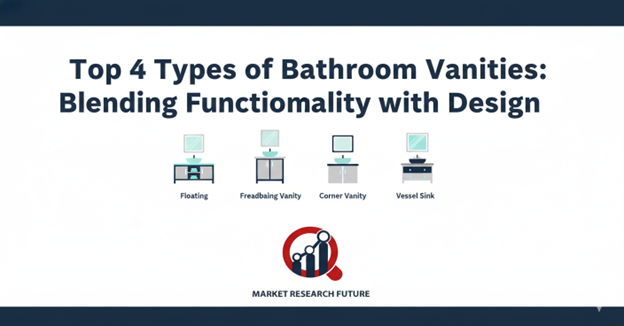
Top Types of Bathroom Vanities
1. Pedestal Sink
Also known as a free-standing sink, this minimalist vanity design focuses on elegance and simplicity. It consists of a basin supported by a pedestal, with no attached cabinetry or storage. Ideal for compact bathrooms or powder rooms, pedestal sinks create a sense of openness and sophistication. Their timeless appeal makes them suitable for both classic and contemporary interiors, complementing any décor theme.
2. Wall-Mounted Vanity
Modern and space-saving, wall-mounted vanities (or floating vanities) are directly fixed to the wall, leaving the floor space clear. This design offers a sleek, airy look and facilitates easy cleaning and accessibility. They are highly popular in urban homes and modern apartments, where maximizing space is crucial. However, proper installation and weight distribution are essential to maintain safety and durability.
3. Vessel Vanity
Found in premium homes, luxury hotels, and designer spaces, the vessel vanity features a raised bowl sink that sits atop the countertop. Known for its aesthetic sophistication, it blends artistry with function. Beneath the sink, storage compartments provide utility without compromising on style. Available in glass, ceramic, or stone finishes, vessel vanities add a dramatic, high-end touch to bathrooms but may require more counter space.
4. Free-Standing Vanity
Combining form and functionality, free-standing vanities resemble traditional furniture pieces. They are typically rectangular or square units that can support one or two sinks. These vanities offer ample storage, durable build quality, and design versatility, available in a wide range of finishes such as wood, laminate, or composite materials. Their robust structure and timeless design make them a preferred choice for family bathrooms.
Market Insights
The global bathroom vanity market is witnessing steady growth, driven by urbanization, lifestyle upgrades, and home renovation trends. Rising consumer focus on aesthetic interiors, along with the growing popularity of modular bathroom designs, has increased demand for customized vanity solutions. Moreover, eco-friendly materials, moisture-resistant finishes, and smart storage designs are gaining traction among environmentally conscious consumers.
Future Outlook
Future trends in bathroom vanities will be shaped by sustainability, smart integration, and design innovation. Manufacturers are focusing on eco-friendly raw materials, water-resistant coatings, and custom-built modular systems to cater to evolving home design preferences. Integration of LED mirrors, touchless faucets, and AI-enabled temperature control is also emerging as a premium segment trend.
As consumers continue to view bathrooms as spaces for wellness and relaxation, vanities will remain central to the design evolution—bridging functionality, comfort, and contemporary aesthetics.
Conclusion
Bathroom vanities have transcended their utilitarian purpose to become style-defining elements of modern interiors. From minimal pedestal designs to elegant free-standing units, each vanity type brings a unique blend of convenience and character. As the market embraces innovation and sustainability, the next generation of bathroom vanities will redefine home aesthetics—making everyday spaces both functional and luxurious.
Related Report


Leave a Comment