Tahini: A Flavorsome Inclusion to Your Diet
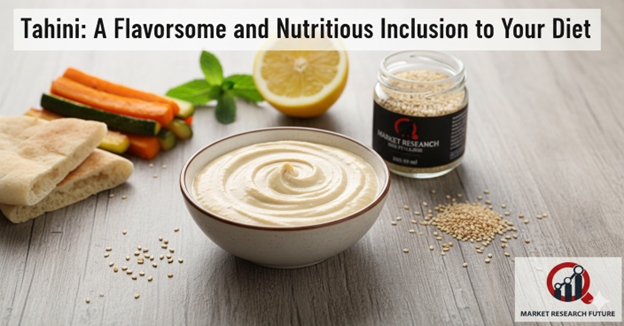
Tahini Market Overview
Tahini, a creamy paste made from toasted and ground sesame seeds, has long been a staple in cuisines across the Eastern Mediterranean, Levant, South Caucasus, and parts of North America. Traditionally valued for its rich flavor and smooth texture, tahini is now gaining global popularity as a nutrient-dense, plant-based superfood.
Used in a wide range of dishes—from hummus, salad dressings, and dips to desserts like stuffed dates and energy bites—tahini offers both culinary versatility and exceptional health benefits. Its growing demand aligns with the global trend toward natural, minimally processed, and functional foods that support wellness-focused lifestyles.
Nutritional Profile
Tahini is a powerhouse of essential nutrients, providing a balance of healthy fats, protein, fiber, and key vitamins and minerals. A single tablespoon (approximately 15 grams) delivers more than 10% of the daily recommended intake of several nutrients, making it a highly concentrated source of nutrition.
Nutritional Composition (per 15 g serving):
- Fat: 8 g
- Fiber: 1 g
- Carbohydrates: 3 g
- Protein: 3 g
- Calories: 90 kcal
- Thiamine (Vitamin B1): 13% of Daily Value (DV)
- Vitamin B6: 11% of DV
- Manganese: 11% of DV
- Phosphorus: 11% of DV
Rich in monounsaturated fatty acids (MUFAs)—which constitute nearly 50% of its total fat content—tahini supports heart health by reducing inflammation and lowering the risk of chronic diseases.
Key Health Benefits of Tahini
1. Powerful Antioxidant and Antibacterial Properties
Sesame seeds, the main ingredient in tahini, are rich in antioxidants such as sesamol and sesaminol, which help protect the body from oxidative stress. Research indicates that sesame extracts show antibacterial activity against nearly 77% of drug-resistant bacterial strains, highlighting tahini’s potential in promoting immune defense.
Animal studies also suggest that sesame compounds may accelerate wound healing, though more clinical research is needed to confirm similar effects in humans.
2. Supports Kidney and Liver Function
Tahini contributes to overall detoxification by supporting liver and kidney health—two organs vital for filtering toxins from the body. Studies have shown that regular consumption of sesame oil over a 90-day period helped improve liver and kidney function in individuals with type 2 diabetes, suggesting tahini’s potential as a natural liver-protective and anti-inflammatory food.
3. Promotes Heart Health and Weight Management
The high content of monounsaturated fats and plant-based protein makes tahini an excellent choice for maintaining cardiovascular health and satiety. By replacing saturated fats with MUFAs, tahini may help reduce cholesterol levels, manage weight, and support metabolic balance.
4. Enhances Bone and Nervous System Health
Tahini is a good source of calcium, magnesium, phosphorus, and B vitamins, all of which are crucial for bone density, energy metabolism, and nervous system function. These nutrients make it especially beneficial for individuals on vegan or vegetarian diets.
How to Make Tahini at Home
Preparing tahini is simple and requires minimal ingredients. Making it fresh at home ensures better flavor, freshness, and control over oil quality.
Ingredients:
- 248 g (2 cups) hulled sesame seeds
- 1–2 tablespoons of olive oil or avocado oil
Method:
- Dry roast the sesame seeds in a large pan over medium heat until they turn golden brown and release a nutty aroma. Remove from heat and allow them to cool completely.
- Transfer the roasted seeds to a grinder or food processor.
- Gradually add oil while grinding until you achieve a smooth, creamy consistency.
Storage Tip:
Tahini can be stored in an airtight container in the refrigerator for several months. Stir well before use, as natural oil separation may occur.
Market Insight: Rising Global Popularity
The global tahini market is witnessing growing demand, driven by increasing consumer awareness of plant-based nutrition, Mediterranean diets, and clean-label food trends. The product’s versatility—as a savory spread, dip base, or ingredient in vegan desserts—has positioned it as a staple in both traditional and modern culinary applications.
North America and Europe currently lead the market, supported by strong health-conscious consumer bases and expanding vegan product lines. Meanwhile, the Asia-Pacific region shows immense potential, with rising urbanization, dietary diversification, and growing adoption of Mediterranean-inspired foods.
Conclusion
Tahini is much more than a flavorful addition to global cuisine—it is a functional food that blends taste, nutrition, and health benefits in every spoonful. From supporting cardiovascular and liver health to offering powerful antioxidant properties, tahini embodies the principles of modern nutrition and sustainable eating.
As consumer preferences shift toward natural, wholesome, and nutrient-rich products, tahini stands out as a versatile and health-promoting ingredient poised to play a significant role in the evolving global food landscape.
Related Report


Leave a Comment