Sunglasses: The Current Market Status in Brief
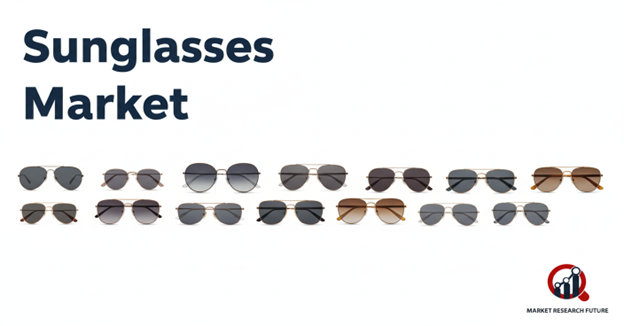
Sunglasses Market Overview
The global eyewear industry continues to evolve as fashion, functionality, and technology converge. Driven by shifting consumer lifestyles, increasing disposable income, and the growing influence of fashion trends. Among eyewear segments, sunglasses hold a prominent share—serving as both a protective accessory and a key fashion statement across all age groups.
Sunglasses have transcended their traditional role as UV-protection tools to become essential lifestyle products. Consumers now view eyewear as an extension of personal style and social identity, prompting manufacturers to innovate with trend-driven designs, advanced materials, and smart functionalities. This fusion of fashion and performance is fueling steady growth in the global sunglasses market.
What are Sunglasses and Why are They in Demand?
Sunglasses are protective eyewear designed to prevent eye damage from harmful ultraviolet (UV) radiation and glare. They are crafted using polarized or non-polarized lenses to enhance visual comfort and clarity, particularly in outdoor environments. Modern sunglasses are also integrated with aesthetic appeal, positioning them as must-have accessories in both casual and luxury fashion segments.
The market’s demand surge is largely influenced by consumer awareness of UV protection, the rising popularity of outdoor and sports activities, and the association of sunglasses with luxury and social status. For many, owning a premium or branded pair of sunglasses is both a style investment and a health-conscious decision.
Key Market Benefits and Trends
- UV Protection & Eye Health Awareness: Increasing public understanding of UV-related eye damage has fueled consistent demand for high-quality sunglasses offering UVA and UVB protection.
- Fashion and Lifestyle Influence: Sunglasses are integral to personal style, driving manufacturers to offer designs that reflect seasonal trends and celebrity influences.
- Polarized Lens Popularity: Polarized sunglasses reduce glare and brightness, enhancing vision during outdoor activities like skiing, fishing, or driving.
- Rise of Sports and Recreational Usage: Growing participation in outdoor sports and tourism has amplified the need for durable, performance-oriented sunglasses.
- Smart and Sustainable Designs: Innovations such as photochromic lenses, recycled materials, and smart sunglasses equipped with Bluetooth or AR features are reshaping the market landscape.
Implementation and Usage Patterns
Sunglasses are increasingly viewed as multi-purpose accessories, serving both protective and aesthetic functions. Their adoption is particularly high in regions with strong sunlight exposure, dense urban populations, and thriving fashion industries. Seasonal variations, such as increased sunlight in summer or glare from snow in winter, also boost sales cycles.
Additionally, e-commerce penetration has revolutionized product availability, allowing consumers to compare styles, brands, and prices conveniently. Many premium eyewear brands now combine physical retail presence with digital stores, enhancing global accessibility.
Market Growth Drivers
The sunglasses market is experiencing sustained growth, driven by several key factors:
- Rising Disposable Income: Consumers are increasingly willing to spend on premium and luxury eyewear brands.
- Fashion Consciousness: Sunglasses have become essential fashion accessories that reflect personality and social standing.
- Technological Advancements: Introduction of advanced coatings, lightweight materials, and improved polarization technologies.
- Brand Expansion and Product Diversification: Leading companies are launching new product lines targeting diverse consumer demographics.
- Outdoor and Sports Culture: The rise in adventure tourism and sports participation worldwide continues to propel demand.
Market Segmentation
The global sunglasses market is segmented based on type, end user, and distribution channel:
By Type:
- Polarized Sunglasses
- Non-Polarized Sunglasses
By End User:
- Men
- Women
- Unisex
By Distribution Channel:
- Online Retail Stores
- Offline Retail Stores
Regional Insights
- North America: The U.S. dominates the market due to high fashion awareness, a strong presence of global eyewear brands, and growing health consciousness regarding UV protection.
- Europe: Western Europe—particularly Italy, France, and the U.K.—is home to several leading eyewear designers, benefiting from robust consumer spending on luxury fashion.
- Asia-Pacific: Expected to witness the fastest growth, driven by rising disposable income, expanding middle-class populations, and increasing adoption of Western fashion trends in countries like China, India, and Japan.
- Latin America: Brazil and Mexico are emerging markets, where lifestyle changes and the availability of affordable designer sunglasses are boosting demand.
- Middle East & Africa: Growing urbanization, expanding tourism, and harsh climatic conditions with strong sunlight are contributing to regional market growth.
Challenges
Despite promising growth prospects, the sunglasses market faces certain challenges:
- Price Sensitivity: High costs of branded sunglasses may limit adoption in developing regions.
- Counterfeit Products: The widespread availability of fake sunglasses impacts brand reputation and consumer trust.
- Fluctuating Fashion Trends: Rapidly changing style preferences require constant innovation from manufacturers.
Addressing these challenges through brand protection, consumer education, and affordable product ranges will be vital for sustained growth.
Future Outlook
The future of the global sunglasses market looks bright, fueled by ongoing innovation and growing awareness of eye health and sustainable fashion. Integration of smart technologies, such as AR-enabled lenses and health-tracking sensors, will redefine consumer expectations. Additionally, the increasing use of eco-friendly materials in eyewear production aligns with global sustainability goals, appealing to environmentally conscious buyers.
As fashion, technology, and functionality continue to blend seamlessly, the sunglasses market is poised to expand its footprint across all major regions, catering to both style-oriented consumers and performance-driven users.
Conclusion
Sunglasses are no longer just a summer accessory—they are a symbol of health, style, and innovation. With rising awareness about UV protection, growing fashion consciousness, and continuous product innovation, the global sunglasses market is set for robust growth in the coming years.
By aligning product development with consumer preferences and sustainability trends, manufacturers and brands can unlock new opportunities in a dynamic and highly competitive global market.
Related Report


Leave a Comment