Smartphones: Time for Infrastructure-related Innovation
Smartphone Market Overview
Smartphones have become an integral part of modern life—shaping the way we communicate, work, travel, and access information. Over the past two decades, these devices have evolved from simple communication tools into powerful handheld computers that drive digital transformation globally. With features like AI integration, advanced cameras, IoT connectivity, and immersive entertainment options, smartphones are redefining both convenience and connectivity.
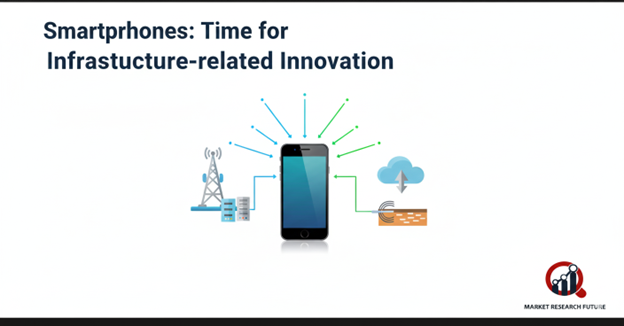
However, as smartphones continue to advance technologically, the supporting digital infrastructure—including network capacity, data centers, and transportation systems—must evolve in parallel. The growing dependency on mobile devices is creating new challenges related to safety, data traffic management, and user experience, signalling an urgent need for infrastructure-related innovation to sustain this rapid growth.
According to market insights, the global smartphone industry continues to expand steadily, with rising consumer demand, 5G penetration, and technological diversification driving momentum. Yet, the next phase of smartphone evolution will depend heavily on how effectively supporting systems—ranging from navigation networks to urban infrastructure—adapt to meet these emerging demands.
What Are Smartphones?
A smartphone is a mobile device that combines the functionality of a traditional cellphone with advanced computing features such as internet connectivity, touchscreens, and application-based ecosystems. Beyond communication, smartphones now serve as personal assistants, entertainment centers, health trackers, and navigation tools—all within a compact form factor.
Originally emerging in the early 2000s as devices that merged mobile phones with PDAs (Personal Digital Assistants), smartphones have since evolved into multifunctional platforms capable of performing tasks that once required desktop computers. This transformation has been fuelled by innovations in chip design, operating systems, and app ecosystems—driving their widespread global adoption.
The Smartphone Ecosystem and Everyday Integration
Today, smartphones influence nearly every aspect of daily life—from managing schedules and finances to guiding us through unfamiliar routes. The convenience and connectivity they offer have become indispensable, but this dependency also introduces new societal and infrastructural challenges.
For example, the integration of navigation and mapping applications has improved mobility yet created safety concerns for both drivers and pedestrians. With millions relying on mobile maps like Google Maps or Apple Maps, distracted driving incidents have become a critical issue worldwide. Reports indicate that a significant proportion of pedestrian-involved accidents occur due to drivers being distracted by navigation or communication on smartphones.
The Need for Infrastructure-related Innovation
As smartphone usage grows, so does the need for smarter infrastructure. Cities, transportation networks, and digital systems must evolve to ensure that connectivity and safety coexist. The following areas highlight where innovation is most urgently needed:
- Smart Transportation Systems: Integration of smartphones with vehicle-to-everything (V2X) technology to ensure safer navigation, automated alerts, and hands-free operations.
- Enhanced Network Infrastructure: Expansion of 5G and edge computing to handle massive data traffic and reduce latency for real-time services.
- Digital Safety Frameworks: Development of regulations and applications aimed at minimizing accidents caused by mobile distractions.
- Energy Efficiency and Sustainability: Design of energy-conscious data centers and charging networks to reduce the environmental footprint of mobile technology.
These advancements will not only enhance user safety and convenience but also create a more connected and sustainable digital ecosystem.
Challenges and Opportunities
Despite its remarkable growth, the smartphone industry faces several challenges that could hinder its next phase of innovation:
- Rising Safety Concerns: Increasing smartphone-related distractions while driving or walking in urban areas.
- Data Overload: Escalating data demand stressing existing network capacities.
- E-Waste and Sustainability Issues: Short product lifecycles contributing to global electronic waste concerns.
- Market Saturation: Slower growth in mature markets necessitating new technological breakthroughs.
However, these challenges also open doors for innovation and collaboration. Tech developers, infrastructure planners, and policymakers are increasingly aligning efforts to develop smart cities, AI-powered safety systems, and eco-conscious manufacturing models—all of which could define the future trajectory of the smartphone market.
Future Outlook
The future of smartphones will be shaped not only by device innovation but also by infrastructure readiness. Seamless integration between hardware, software, and urban systems will be key to unlocking the next wave of digital experiences. As technologies like 6G, AI, AR/VR, and IoT continue to mature, smartphones will act as the central hub for connected ecosystems—bridging humans, machines, and the environment.
Investments in smart infrastructure, safety mechanisms, and sustainable practices will be essential to ensure that technological progress benefits society holistically. Ultimately, the convergence of smart devices and smarter infrastructure will pave the way for a safer, more efficient, and connected world.
Conclusion
Smartphones have transformed from communication tools into indispensable extensions of modern life. Yet, their growing influence demands equally advanced support systems. Addressing challenges such as distracted driving, data overload, and environmental impact through infrastructure innovation is no longer optional—it is essential for sustainable progress.
As the world enters an era of hyper-connectivity, smartphones will remain at the core of digital transformation, but their true potential will be realized only when supported by intelligent, adaptive, and resilient infrastructure.
Related Report


Leave a Comment