Skin Cancer – Uncontrollable Growth of Cells
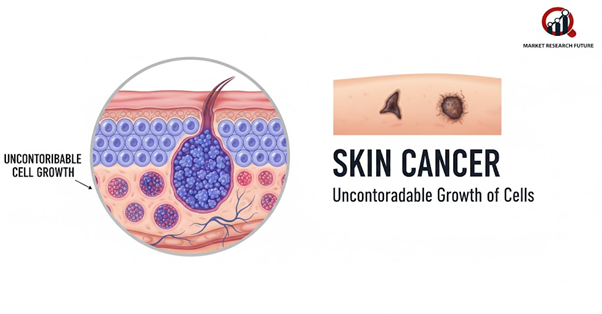
Overview of the Skin Cancer Market
Changing lifestyle, increasing pollution levels, and rising skin diseases are increasing the prevalence of skin cancer. The valuation of the skin cancer market is projected to rise from USD 6.13 billion in 2024 to USD 10.5 billion by 2035. The development of the sector is expected to adhere to a moderate CAGR of 5.01% through the forecast period.
When your skin is exposed to the sun, it can develop abnormal growth of skin cells, leading to various types of common skin cancer. However, these cancers can also arise in areas of the skin that are not usually exposed to sunlight.
In India, about 0.5% to 4.8% of females and 0.04% to 6.2% of males suffer from skin cancer, which is comparatively lower than in many other countries. Several treatments are available to manage and potentially cure skin cancer.
These include simple excision, curettage, cryosurgery, Mohs micrographic surgery, and electrodesiccation for basal cell carcinoma and squamous cell carcinoma. For melanoma, surgical removal or excision is the primary treatment method.
Body Parts Affected by Skin Cancer
In women, skin cancer often occurs in areas exposed to the sun, including:
- Scalp
- Face
- Lips
- Ears
- Neck
- Chest
- Arms and hands
- Legs
However, skin cancer can also affect areas rarely exposed to sunlight, such as:
- Palms
- Beneath fingernails or toenails
- Genital area
Types of Common Skin Cancer
- Basal Cell Carcinoma: This type develops in basal cells, which are located at the bottom of the epidermis and help produce new cells to replace old, dead cells. Basal cell carcinoma appears as translucent bumps on the head and neck, making it relatively easy to notice. It can also present in other forms.
- Melanoma: The most serious type of skin cancer, melanoma occurs in melanin-producing cells. It can extend from the surface into deeper layers of the skin. Besides developing on the back, face, arms, and legs, it can also appear on the soles of the feet, fingernail beds, and palms. Melanoma is subdivided into four categories: nodular, acral lentiginous, superficial spreading, and lentigo maligna.
- Squamous Cell Carcinoma: This cancer develops in squamous cells, which make up the middle and outer layers of the skin. It is often called cutaneous squamous cell carcinoma to differentiate it from other squamous cancers in different body parts. It commonly occurs on the head, face, neck, and arms.
Foods to Reduce Symptoms of Skin Cancer
Basal Cell Carcinoma: Your body needs solasodine rhamnosyl glycosides to combat this type of cancer. Foods rich in this compound include tomatoes, potatoes, eggplants, and bell peppers.
Melanoma: Vitamins can help reduce the symptoms of melanoma. Foods such as green leafy vegetables, fish, tomatoes, legumes, and sweet potatoes are excellent sources of these vitamins.
Squamous Cell Carcinoma: Nutrient-rich foods like beans, meat, whole grains, dairy products, fruits, and vegetables can help minimize the symptoms of squamous cell carcinoma.
Regional Analysis
Skin cancer prevalence varies globally due to differences in sun exposure, skin type, and public health awareness. In North America and Australia, higher rates are observed due to stronger UV radiation and outdoor lifestyles, prompting extensive awareness campaigns and early detection programs.
In Europe, rates are moderate, supported by advanced healthcare infrastructure and screening initiatives. In Asia, including India, prevalence is relatively low, though awareness and early detection efforts are increasing as lifestyles change and sun exposure habits evolve.
Africa and Latin America report varied incidences, with higher rates in regions closer to the equator, where sunlight is more intense, but access to early diagnosis and treatment can be limited.
Conclusion
The most effective treatments for skin cancer include surgical removal of tumors, chemotherapy, and radiation therapy. Early diagnosis and proper treatment are key to improving outcomes and reducing risks associated with these cancers.
Related Report


Leave a Comment