Plywood- The Perfect Wood Solution for Diverse Applications
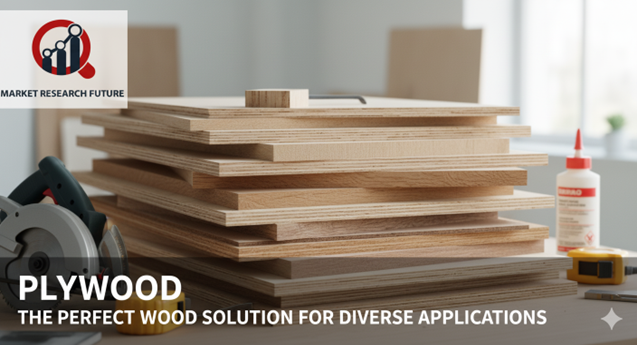
Plywood Market Overview
Plywood has emerged as a versatile and sustainable building material, widely recognized for its strength, flexibility, and cost-effectiveness. Formed by bonding thin layers of wood veneers with strong adhesives, plywood offers enhanced durability, water resistance, and dimensional stability compared to traditional solid wood.
As industries increasingly prioritize eco-friendly materials, cost efficiency, and design flexibility, plywood continues to gain traction across construction, furniture, marine, and industrial sectors. Its adaptability to diverse climatic conditions, along with innovations in adhesive technology and green manufacturing practices, has positioned plywood as an indispensable component in modern infrastructure and interior solutions.
What is Plywood?
Plywood is an engineered wood product composed of multiple layers of wood veneer sheets, bonded together with adhesive under heat and pressure. The grain of each layer is oriented at right angles to the adjacent one, providing superior strength, reduced shrinkage, and resistance to warping or cracking.
Based on usage and composition, plywood is categorized into:
- Exterior Plywood – Designed for outdoor and marine applications with high water resistance.
- Interior Plywood – Used for indoor furniture, paneling, and decorative applications.
- Structural Plywood – Engineered for load-bearing construction uses.
- Marine Plywood – Built to withstand moisture, ideal for shipbuilding and coastal construction.
Plywood is available in softwood and hardwood variants, offering distinct characteristics:
- Softwood Plywood: Lightweight, easier to carve, and cost-effective, derived from coniferous trees.
- Hardwood Plywood: Denser, more durable, and ideal for heavy-duty applications, derived from deciduous trees.
Key Applications
Plywood’s combination of strength, flexibility, and affordability enables its widespread use across industries:
- Construction: Used in flooring, roofing, wall panels, and sheds due to its durability and structural stability.
- Furniture: Preferred for cabinets, tables, wardrobes, and modular furniture because of its smooth finish and strength.
- Marine Industry: Utilized in boat building and dock construction owing to its superior water resistance.
- Commercial Spaces: Employed in office interiors, partitions, and workstations for aesthetic appeal and functionality.
- DIY and Lifestyle: Used in skate ramps, worktables, and creative installations due to its ease of customization.
With the growing trend of urban housing and smart furniture, plywood has become an essential component of modern design and construction ecosystems.
Market Growth Drivers
- Rising Urbanization and Infrastructure Development
Expanding urban centers and housing projects are driving large-scale plywood consumption in construction and interiors.
- Furniture Industry Expansion
The global shift toward modular, lightweight, and sustainable furniture has accelerated plywood demand, especially in emerging economies.
- Water-Resistant and Durable Solutions
Technological improvements in adhesives and veneer processing have enhanced plywood’s durability, expanding its use in outdoor and marine environments.
- Green Manufacturing Initiatives
Adoption of eco-friendly adhesives and sustainable forestry practices supports global environmental goals and consumer preferences for green materials.
- Cost-Effectiveness and Versatility
Compared to solid wood, plywood offers similar performance at a lower cost, making it ideal for both mass production and custom designs.
Challenges
Despite strong market growth, certain challenges persist:
- Price Volatility of Raw Materials: Dependence on timber and resin costs can affect production margins.
- Environmental Regulations: Stricter policies around deforestation and formaldehyde emissions may impact supply chains.
- Competition from Alternatives: MDF, particleboard, and composite materials pose competitive threats in certain segments.
- Quality Variations: Unregulated manufacturing in some regions leads to inconsistencies in product quality and performance.
Addressing these challenges through sustainable sourcing, standardization, and technological innovation will be crucial for continued market growth.
Regional Insights
- North America:
Driven by strong housing demand, DIY culture, and green building initiatives. The U.S. leads with high adoption in both residential and commercial construction.
- Europe:
Focused on sustainable architecture and eco-friendly furniture manufacturing, supported by stringent environmental standards.
- Asia-Pacific:
The fastest-growing region, fuelled by rapid urbanization, expanding infrastructure projects, and rising disposable incomes in countries like India, China, and Indonesia. - Latin America & Middle East/Africa:
Emerging markets with growing construction activities, though limited by supply chain inefficiencies and awareness gaps.
Future Outlook
The future of the plywood market lies in innovation, sustainability, and customization. Manufacturers are adopting green adhesives, digitized production processes, and smart designs to cater to evolving consumer needs.
With increasing investments in infrastructure, modular housing, and eco-conscious interiors, plywood is set to remain a cornerstone of modern construction and design. The integration of recyclable materials, digital fabrication, and sustainable sourcing will shape the next generation of plywood products.
Conclusion
Plywood stands as the perfect wood solution for diverse applications, offering a unique blend of strength, affordability, and sustainability. As industries and consumers shift toward eco-friendly materials and versatile designs, the global plywood market is poised for sustained growth.
Through continuous innovation, responsible manufacturing, and alignment with green building trends, plywood will continue to play a pivotal role in modern architecture, furniture design, and industrial applications—supporting a more sustainable and efficient future.
Related Report


Leave a Comment