Peripheral Neuropathy – A Therapeutic Challenge to Neurologists
Peripheral Neuropathy Brief:
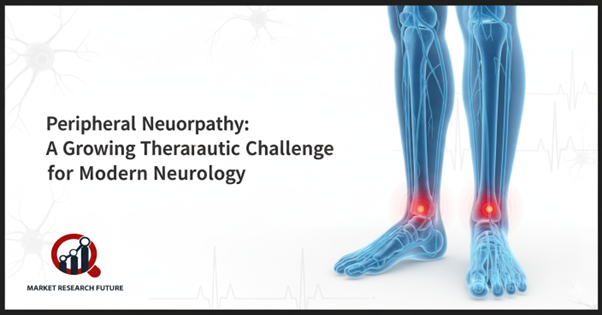
Peripheral neuropathy is a disease that affects the peripheral nerves, which are the nerves that connect the brain and spinal cord to the rest of the body. When these nerves are damaged, it might make it hard for the brain to talk to the muscles, skin, or internal organs. It can make it hard to move, feel things, or do other things with your body, depending on which nerves are hurt.
The disease might be short-lived or long-lasting, and in some situations, it may even be possible to reverse it with prompt care. Neurologists still have a hard time identifying and treating neuropathy since the symptoms can be very different, ranging from tingling and numbness to severe pain or weakness.
Typical Causes and Risk Factors
Various things might induce peripheral neuropathy. It can happen because of long-term illnesses like diabetes, infections, autoimmune diseases, or not getting enough vitamins. Too much alcohol, some drugs, and being around contaminants can also impair nerve health. In certain situations, the cause is still not known; thus, early detection is very important to stop more damage from happening.
Diabetes and Damage to Nerves
Diabetes is one of the main things that causes of neuropathy. High blood sugar levels over a lengthy period of time might damage the small blood vessels that carry oxygen and nutrients to nerves. This makes nerves weaker, hurts them, and makes them lose feeling, especially in the hands and feet. Controlling blood sugar levels by lifestyle changes and medical treatment is very important for stopping further nerve damage.
Neuropathy Caused by Chemotherapy
Chemotherapy can sometimes hurt nerves in people with cancer. The same treatments that kill cancer cells may also hurt healthy nerve tissues, which can make your limbs feel numb or tingle. This adverse effect typically makes it harder to plan therapy since neurologists have to find a balance between treating cancer and protecting nerves.
Neuropathy in HIV and MS Patients
Peripheral neuropathy is also linked to HIV and multiple sclerosis (MS). In people with HIV, both the infection and some drugs can hurt nerves. For people with MS, inflammation of the nerves and demyelination, which is the loss of the protective layer around the nerves, can make it hard to move and feel things.
The Next Step
Neurologists today don't simply treat neuropathy; they also manage it as a whole by using medicine, physical therapy, and changes to their patients' lifestyles. Early intervention, eating well, and managing stress can all make a big difference in quality of life. There is more and more promise for greater nerve protection and recovery in the years to come as research continues and therapies get better.
Related Report


Leave a Comment