Some Common Facts of Insomnia
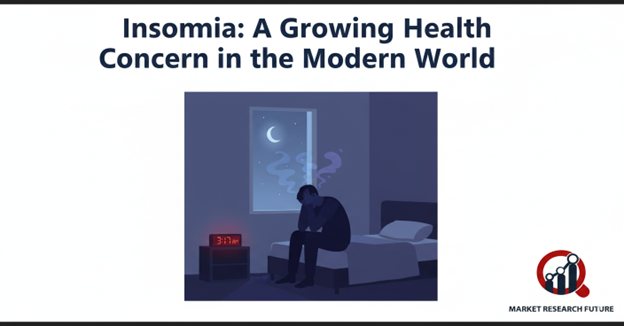
Insomnia Overview
Insomnia, one of the most prevalent sleep disorders globally, is increasingly being recognized as a critical public health concern. Characterized by difficulty in falling asleep, staying asleep, or experiencing restorative sleep, insomnia affects millions of people across age groups. The condition can be acute (short-term) or chronic (long-term), lasting from a few days to several months or even years.
In today’s fast-paced world, stress, lifestyle imbalances, and mental health issues have amplified the incidence of insomnia. The disorder not only disrupts sleep patterns but also impacts overall productivity, mood, and cognitive health. According to leading medical research, untreated insomnia can lead to serious complications, including cardiovascular diseases, depression, and impaired immune function.
What Is Insomnia?
Insomnia is a sleep disorder in which individuals face persistent challenges with initiating or maintaining sleep. The condition can manifest in different forms—trouble falling asleep, waking up frequently during the night, or waking up too early and being unable to return to sleep. The lack of quality sleep leads to daytime fatigue, irritability, and concentration problems.
There are two main types of insomnia:
- Primary Insomnia: Not directly linked to any other medical condition or lifestyle factor. It often results from stress, poor sleep habits, or environmental factors.
- Secondary Insomnia: Caused by underlying medical or mental health conditions such as depression, anxiety, asthma, arthritis, heartburn, or hormonal imbalance. Excessive use of alcohol, caffeine, or certain medications can also contribute to secondary insomnia.
Key Causes of Insomnia
The underlying causes of insomnia are multifactorial, combining physiological, psychological, and environmental factors. The most common triggers include:
- Stress and Anxiety – Work-related pressure, financial concerns, or personal issues can disrupt the body’s natural sleep cycle.
- Mental Health Conditions – Depression and anxiety disorders are closely linked with chronic insomnia.
- Environmental Factors – Exposure to noise, light, or uncomfortable room temperatures can interfere with sleep quality.
- Health Problems – Conditions such as asthma, allergies, hypertension, hyperthyroidism, sleep apnea, or restless leg syndrome contribute to poor sleep.
- Lifestyle Irregularities – Shift work, frequent travel, late-night screen time, and poor dietary habits can disturb circadian rhythms.
At-Risk Groups
Research indicates that women and older adults are at a higher risk of developing insomnia. Hormonal changes during menstruation, pregnancy, and menopause contribute to sleep disturbances in women. In older individuals, natural aging processes, underlying illnesses, and medication side effects can affect sleep quality.
Common consequences of chronic insomnia include:
- Persistent fatigue and daytime sleepiness
- Poor concentration and reduced memory retention
- Irritability and mood swings
- Increased risk of mental health issues
- Long-term impact on physical well-being
Managing and Treating Insomnia
The treatment approach depends on the severity and duration of symptoms.
- Acute Insomnia often resolves with lifestyle adjustments such as maintaining consistent sleep schedules, limiting caffeine, and managing stress.
- Chronic Insomnia, however, requires medical evaluation and structured intervention.
Effective treatment options include:
- Cognitive Behavioural Therapy for Insomnia (CBT-I): The most recommended non-pharmacological treatment focusing on changing negative sleep habits.
- Medication: Short-term use of prescribed sleep aids may help, but long-term dependency should be avoided due to side effects.
- Lifestyle Modifications: Regular exercise, relaxation techniques, and digital detox before bedtime can significantly improve sleep quality.
Future Outlook
With increasing awareness of mental health and lifestyle-related disorders, the global insomnia treatment market is witnessing substantial growth. Rising cases of stress-induced insomnia, technological exposure, and urban lifestyle challenges are driving demand for both pharmaceutical and behavioural therapy solutions.
Continuous innovation in sleep tracking technologies, melatonin supplements, and digital therapeutics will reshape how insomnia is diagnosed and managed in the coming years. Preventive healthcare and personalized treatment approaches are expected to become key trends in this market.
Conclusion
Insomnia is no longer just a minor inconvenience—it is a major health challenge that affects physical, emotional, and cognitive well-being. While acute insomnia can be managed through improved lifestyle practices, chronic cases require professional intervention. The rising prevalence of insomnia underscores the need for greater awareness, early diagnosis, and holistic management strategies.
As individuals adopt healthier sleep habits and healthcare providers integrate advanced treatments, the battle against insomnia is entering a more informed and preventive era.
Related Report


Leave a Comment