GPS Tracker: Applications and the Rise of IoT
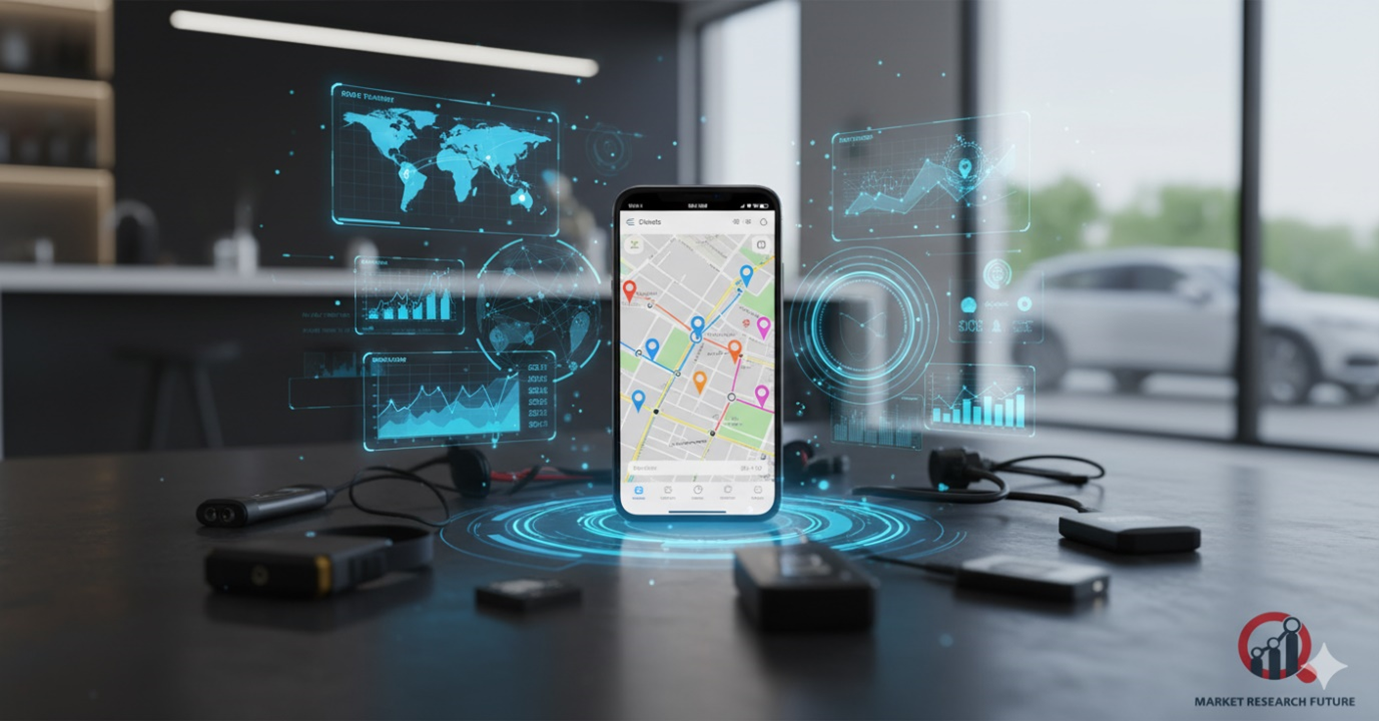
GPS Tracker Market Overview
Any sticker on a GPS tracker designed for law enforcement officials or for a worried mom or dad is now a relic. GPS trackers have become useful for logistics and tracking devices, and safety has evolved tremendously. The invaluable service provided GPS trackers provide for safety and security has spawned a wealth of operational efficiencies for both businesses and people. Integrating GPS functionalities into more devices has made the operational efficiencies of tracking devices more useful than ever. The abundance of operational GPS trackers for devices stems from the increase in the Internet of Things (IoT).
Applications of GPS Trackers
The most popular use for GPS Trackers is monitoring moving assets like delivery drivers, couriers, or field employees. Companies can use the system for optimal route planning, tracking delays, and giving real-time alerts to customers for late shipments. GPS Analytic data for assets can also be used for operational resource planning and even tracking patterns for travel.
GPS Trackers are also used for personal safety, like for parents to monitor the location and movement of a child. It also enables fast responses during emergencies. It can also be used for tracking and monitoring the location and activity of pets and even livestock. This is useful for farms or animal care facilities.
Integration with IoT
IoT-enabled devices have expanded the functionality of GPS trackers beyond standalone devices. GPS trackers have become integrated components of security cameras, wearable devices, and even baby monitors. Such seamless integration provides for streamlined monitoring, real-time alert notifications, and sophisticated analytics, thus providing businesses and consumers with operational insights and taking action with the analytics received.
Advantages of GPS Trackers
Compared to traditional tracking techniques, which include mobile phones and manual logging, GPS trackers have the following benefits:
- Real-Time Monitoring: Offers accurate tracking and movement notifications as they happen.
- Enhanced Security: Alleviates the need for expensive insurance policies and close manual supervision.
- Operational Efficiency: Maximizes the fuel effectiveness of route planning and overall logistical improvements.
- Versatility: Tracks people, pets, vehicles, and any invaluable possessions.
- Data Insights: Helps in planning and data-driven decision-making through historical tracking.
Future Outlook
The expected future growth of the GPS tracker market is largely due to businesses seeking highly sophisticated solutions for personal safety and asset management. With advancements in IoT and analytics, as well as the evolution of wearable technologies, the GPS tracker is becoming indispensable in numerous daily activities and in a variety of industries. The applications of GPS technology in commercial logistics, personal security, healthcare, agriculture, and even more are endless.
Related Report


Leave a Comment