Folate: Why Are We Surprised by Disruptions?
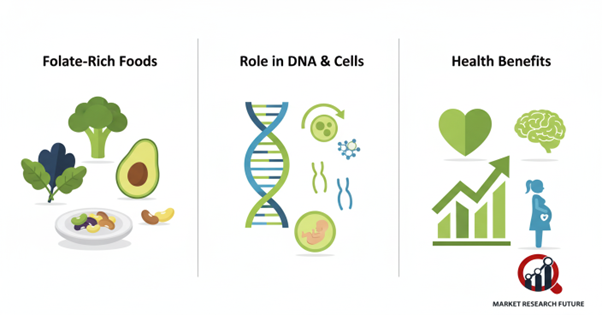
Folate: The Importance of This Vital Nutrient in Relation to DNA and Health
Folate is a crucial vitamin in the B vitamin family as it is needed for the synthesis of DNA, and for cell growth, reproduction, and repair. Due to the functions of this vitamin, many people suffer from deficiencies, especially when it comes to reproductive health, cell development, and other health complications.
Why is Folate So Important?
To understand the importance of folate, understanding DNA synthesis is crucial. This is when the body takes the genetic instructions and creates the functional proteins for the cells. Folate is a key component in the synthesis of the nucleotides that make the DNA. The longer the body is deprived of folate, the less efficient it becomes in repairing and creating DNA. This also takes a toll on the body in areas like growth, reproduction, and fertility.
Besides that, folate is important for the synthesis of red blood cells, brain development and function, and for the development of the fetus in the womb. When there is a folate deficiency, it can cause anemia, fatigue, poor concentration, and in severe cases, a newborn can be born with a neural tube defect.
Dietary Benefits of Folate
Folate is a water-soluble B vitamin. Each cell in your body uses folate to complete a number of functions. It's important during a healthy pregnancy, the development of the fetus, recovery of the nerves after injury, and heart health due to its ability to regulate homocysteine levels. Eating folate-rich foods in your diet allows your body to function well and prevents health complications in the long run.
Incorporate These Folate-Rich Foods in Your Diet
- Leafy Greens
Folate is found in abundance in spinach, Swiss chard, beet greens, and turnip greens. One cup of cooked spinach contains more than 460% of your daily recommended intake of vitamin K, which is important for the health of your bones and heart.
- Avocados
Avocados are a rich source of B vitamins. One medium avocado has about 322 mcg of folate, which is about 80% of your daily folate requirement. As a salad or a smoothie, a creamy, ripe avocado makes a nutritious addition.
- Okra
Okra is a vegetable loaded with nutrients. Including it in your meals regularly is a simple and effective folate booster.
- Pinto Beans
When you eat a cup of cooked pinto beans, you get 300 mcg of folate, plus protein and fiber. Pinto beans are wholesome, affordable, and delicious in soups, stews, and tacos.


Leave a Comment