Influence of Cloud Computing on the Digitally Transforming Global Enterprises
Influence of Cloud Computing on the Digitally Transforming Global Enterprises
Have you ever thought about how Google lets you and your friends edit the same file in real time from all over the world? Or how companies keep their data safe, easy to get to, and shareable without having to have huge servers on site? Cloud computing is the one thing that can change everything.
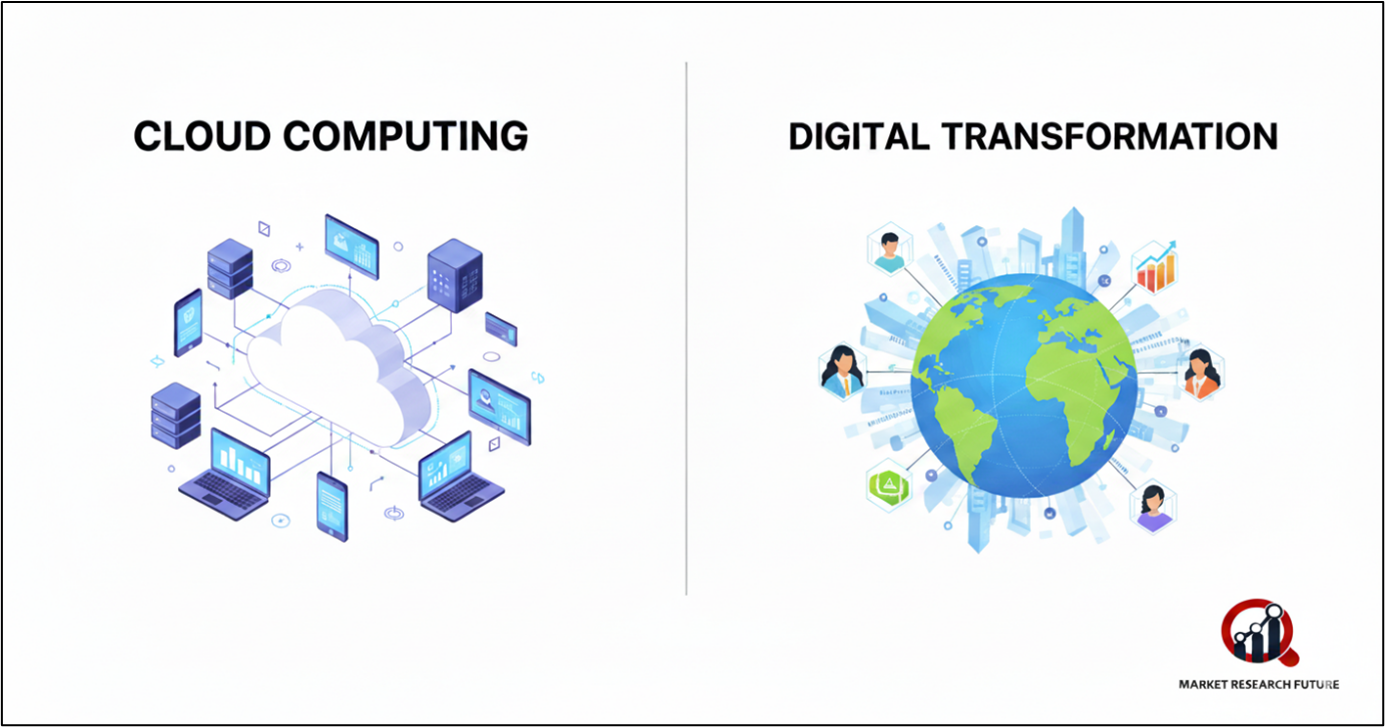
Cloud computing lets you use servers, databases, software, networking, and storage over the internet without having to build any physical infrastructure. The cloud has become the backbone of digital transformation around the world, whether for people who need more storage or businesses that want scalable, secure solutions. It lets users store data remotely and get it back easily, anytime and anywhere.
Cloud Computing During the Pandemic
Cloud computing kept the world going even when everything else stopped during the pandemic. The cloud became the invisible network that connected everything, from virtual classrooms to telemedicine, online entertainment to remote workspaces.
Organizations turned to cloud-based systems to keep things running as physical offices and institutions closed. E-commerce grew quickly as businesses used cloud platforms to handle the growing demand for digital transactions and remote work. Cloud hosting was a lifeline for businesses going through tough times because it was flexible, scalable, and resilient.
The pandemic also brought to light another important benefit: flexibility based on data. Businesses could look at real-time data and quickly respond to changes in customer behaviour, logistics problems, and workforce dynamics thanks to cloud-based analytics. Cloud adoption sped up in areas like healthcare, education, and finance, making it possible for long-term digital transformation plans that go beyond just dealing with crises.
Cloud Computing: More than Just Accessing Files Remotely
The cloud is no longer just a place to store files online. Today, it's a full digital ecosystem that drives innovation, automation, and collaboration in all fields.
With services like Google Drive, OneDrive, and Dropbox, people can get to and share files from any device. Businesses use advanced cloud tools for a wide range of tasks, including managing customers, analyzing data, developing apps, and using artificial intelligence.
Companies had to spend a lot of money on data centers, servers, and IT infrastructure before cloud computing became popular. Now, the cloud replaces these costs with a pay-as-you-go model that lets businesses change the size of their operations based on demand. This not only saves money, but it also makes operations more flexible.
Also, the cloud makes it possible for teams to work together more efficiently. They can edit documents, hold meetings, and manage projects across continents without any problems. Developers can quickly deploy apps without having to worry about physical limits. In short, cloud computing has turned how businesses work into a network of connected new ideas.
Is cloud computing safe and secure?
In the digital age, security is still a major concern, and cloud computing is still changing to meet this need. Modern cloud providers protect data with strong encryption, multiple levels of authentication, and constant monitoring.
There are still risks like data breaches, system outages, and natural disasters, but advanced cybersecurity frameworks and compliance standards have made cloud environments stronger than ever. Many security companies now use artificial intelligence and automation to find threats before they happen. The secret is shared responsibility: service providers protect the infrastructure, and users make sure that their own operations have secure access controls and follow the rules.
Final Thoughts
For modern businesses, cloud computing is no longer a luxury; it's a must-have. It is at the center of global digital transformation because it can drive flexibility, scalability, and innovation. The cloud is the best way to be flexible and strong as businesses continue to adopt hybrid work, virtual collaboration, and make decisions based on data.
The pandemic may have sped up its use, but the world after the pandemic has made it permanent. Cloud computing is not only changing the way businesses work now, but it is also the way they will work in the future. In a time when being connected is the key to success, businesses that make the most of the cloud are the ones pushing the digital frontier.
Related Report


Leave a Comment