Chia Seeds: A Tiny Bunch of Tryptophan
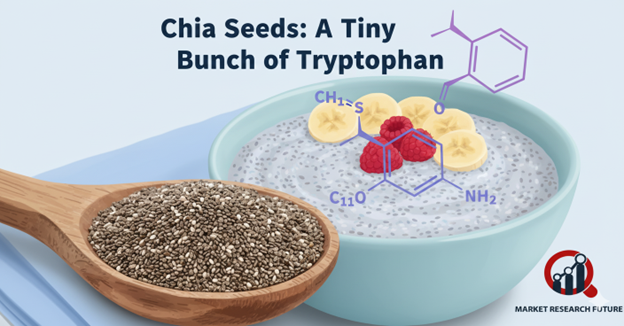
Chia seeds Overview
Chia seeds, often hailed as a superfood, have gained global recognition for their exceptional nutritional profile and diverse health benefits. Derived from the Salvia hispanica plant, these tiny seeds are packed with omega-3 fatty acids, protein, fiber, antioxidants, and essential amino acids—notably tryptophan, which plays a crucial role in mood regulation and overall well-being.
As global consumers increasingly prioritize functional foods that support holistic health, the Chia Seeds Market is witnessing robust growth. Valued at 1.5 USD Billion in 2023, it is projected to reach 3.2 USD Billion by 2035, registering a CAGR of 6.8 percent (2025–2035). This surge is driven by growing awareness of plant-based nutrition, rising demand for clean-label foods, and the expanding health-conscious population worldwide.
Composition & Benefits
Chia seeds boast a rich nutritional profile, making them a versatile ingredient in both functional foods and dietary supplements.
- Amino Acids: Rich in tryptophan, an essential amino acid that promotes serotonin production, aiding in better sleep, mood enhancement, and mental health.
- Omega-3 Fatty Acids: Supports cardiovascular health and cognitive function.
- Dietary Fiber: Enhances digestive health, satiety, and weight management.
- Antioxidants: Combat oxidative stress and cellular aging.
- Minerals: High in calcium, magnesium, and phosphorus, contributing to bone strength.
This nutrient synergy positions chia seeds as a functional powerhouse that aligns with modern dietary preferences emphasizing plant-based, sustainable, and nutrient-dense foods.
Key Applications
Chia seeds are utilized across multiple sectors due to their adaptability and health-promoting qualities:
- Functional Foods & Beverages – Incorporated in smoothies, protein bars, cereals, yogurts, and bakery products for enhanced nutrition.
- Dietary Supplements – Used in capsules and powders as a natural source of omega-3 and tryptophan.
- Sports Nutrition – Supports energy metabolism and recovery, making it a staple in athletic diets.
- Pharmaceuticals & Nutraceuticals – Studied for potential benefits in mood disorders, sleep improvement, and metabolic health.
- Cosmetics – Employed in skincare products for their antioxidant and moisturizing properties.
Market Drivers
The growing demand for natural, plant-based proteins and functional ingredients is fuelling the global chia seeds market. Key factors include:
- Rising Health Consciousness – Increased focus on mental wellness and natural sources of serotonin-boosting compounds like tryptophan.
- Shift Toward Plant-Based Diets – Vegan and vegetarian consumers are driving adoption of chia seeds as a complete protein source.
- Expanding Functional Food Industry – Rising consumer interest in nutrient-rich snacks and beverages.
- Sustainability & Clean Label Trends – Chia cultivation supports sustainable agriculture and meets clean-label requirements.
Market Challenges
Despite its promising outlook, the chia seed market faces a few challenges:
- Price Volatility – Influenced by climatic conditions and agricultural yield in key producing regions.
- Supply Chain Limitations – Concentration of production in select regions such as Latin America can affect global distribution.
- Consumer Awareness Gaps – Limited understanding of tryptophan’s benefits among general consumers in emerging markets.
- Regulatory Hurdles – Food labelling and health claims must align with country-specific regulations.
Regional Analysis
North America remains the largest consumer market, driven by the U.S. and Canada, where chia seeds are a staple in health foods and sports nutrition products.
Europe follows closely, with strong demand in Germany, the U.K., and France, supported by the region’s preference for organic and plant-based diets.
The Asia-Pacific region is expected to witness the fastest growth, particularly in China, India, Japan, and Australia, due to rising disposable incomes, expanding health awareness, and the increasing popularity of superfoods.
In Latin America, countries like Mexico, Argentina, and Bolivia not only consume but also lead global chia production.
The Middle East and Africa are emerging markets, with growth driven by urbanization and increasing adoption of Western dietary trends.
Impact of COVID-19
The pandemic significantly boosted consumer focus on immune health and mental well-being, accelerating the demand for nutrient-rich foods like chia seeds. The recognition of tryptophan’s role in supporting emotional balance and quality sleep further amplified its adoption in functional foods and supplements. Post-pandemic, this shift toward preventive health and holistic wellness continues to sustain market momentum.
Conclusion
Chia seeds, enriched with tryptophan and essential nutrients, are more than a dietary trend—they represent a cornerstone of the functional food revolution. As global consumers embrace plant-based, mood-enhancing, and nutrient-dense diets, the chia seeds market is poised for sustained growth. While supply and awareness challenges persist, ongoing innovations in product formulation, packaging, and distribution are set to unlock the full potential of this tiny yet powerful superfood in the decade ahead.
Related Report


Leave a Comment