Big Data Through Different Perspectives
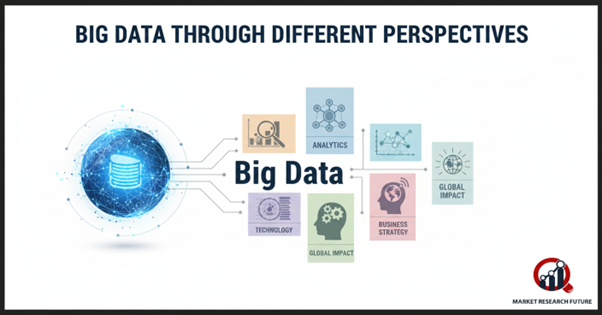
Data collection and analysis have always been important to how society works. Data is the most important part of making decisions, whether you're running a whole country or just a few local businesses. The amount and power of data have grown beyond what we could have imagined, thanks to new technologies like artificial intelligence and machine learning. Big Data is what makes these new technologies possible. They let us see things more clearly, analyze things more quickly, and automate things more intelligently.
In today's fast-paced digital world, "big data" is a popular term, but its real meaning can change depending on how you look at it. In simple terms, big data is a lot of structured and unstructured information that is gathered in a short amount of time. It's a goldmine of chances for businesses to learn more about their customers and guess what they want. For governments, it's a way to make things run more smoothly, make public services better, and make the country safer. But it also raises important questions about privacy, ethics, and control for people.
It might be hard to give big data a precise definition, but its main characteristics are clear: volume, speed, and variety. There are a lot of ways to get information these days, like social media, smart devices, online transactions, sensors, and more. This quick generation of data has both great potential and big problems. As the amount of information grows, businesses need to find good ways to store, process, and use it in a meaningful way. Some experts think that big data is a game-changing benefit, but others say that too much information can cause confusion, false information, or even misuse. In short, big data presents both amazing chances for new ideas and equally difficult problems.
Big data is still a relatively new and growing field because so many researchers, businesses, and policymakers are interested in it. Like many new technologies, people often talk too much about what it can do and not enough about what it can't do. But these very limits can lead to new ideas. Every problem, from protecting data to making sure it is used ethically, is an opportunity to come up with smarter, safer, and more responsible ways to handle data.
Before looking into the special features of big data, like its speed and variety, it's important to understand some basic ideas, starting with data quality. Big data is only useful if it is accurate and reliable. Bad data leads to bad insights, while good data helps you make smart choices. The conversation also includes risk management, because businesses need to protect sensitive information and make sure that data collection follows privacy and compliance rules.
One of the most important things about our time is that we collect and analyze huge amounts of data. The need for data-driven insight is growing for both people and businesses. Understanding how businesses and organizations use big data today can help us all make better decisions in the future.
A Person's Point of View
Big data has become both empowering and intrusive for people. It gives you more control over your own choices and routines on the one hand. Fitness, money, and sleep tracking apps all use data to give you personalized information. Data helps people make better choices about their health and finances by giving them information about things like calories and budgets. For example, location-based services can find your favorite gyms or cafés and give you special deals.
But this growing personalization has a cost. Companies can use the data from every tap, click, or swipe to change your experiences, sometimes in ways you might not expect. Companies use this data to learn more about how customers act, improve their marketing plans, and get more people to interact with them. In a lot of ways, this is a win-win: customers get convenience and personalization, and businesses get loyalty and growth.
Other Points of View
But the story of big data isn't all good. Information abuse has a dark side, even though it has some good points. Data breaches, spying, and using personal information in an unethical way have all become big worries. In the past, organizations have misused user data, which showed how easy it is to lose trust in the digital age.
As big data becomes more and more a part of business and government, it is more important than ever to be honest, ethical, and responsible. The hard part is finding a balance between using data to come up with new ideas and make people's lives better without giving up their privacy or freedom.
In the end, big data shows us the world we live in: fast-moving, connected, and full of data. It can change industries, give people more power, and make our future better when used properly. But to really make the most of it, we need to see big data as more than just a way to move forward; we need to see it as a shared responsibility that requires awareness, honesty, and care.
Related Report


Leave a Comment