Analysis of the Need, Origin, and Trends for Air Purification
The Future of Clean Air: New Developments and Changes in the Air Purification Market
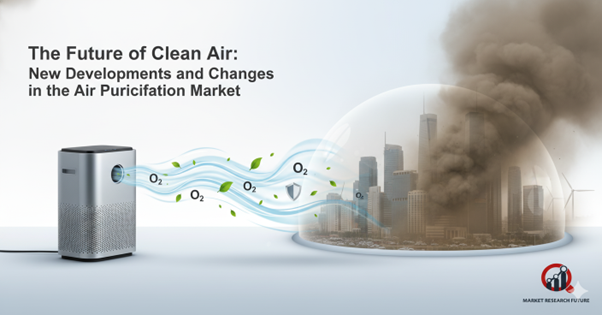
Recognizing the Increasing Significance of Air Purifiers
Air purifiers have developed into vital tools for healthy living, going far beyond simple home appliances. In order to provide cleaner, fresher indoor air, these devices tirelessly remove dangerous particles like dust, pollen, smoke, pet dander, and toxic gases. Modern air purifiers are quickly becoming an essential component of daily life, whether they are used to prevent airborne infections or to lessen allergies.
Air purifiers are made to meet a variety of needs, ranging from small home models to massive industrial units. While commercial models connect directly to HVAC systems for wide-area coverage, many residential units are stylish, portable, and whisper-quiet. Users of today demand more than just filtration; they want sustainability, automation, and ease of use combined with a fashionable appearance.
Innovation is what really distinguishes the contemporary air purifier. Multi-layered filtration systems, intelligent controls, and eco-friendly materials are now features of new models that improve user experience and performance. Clean air is now a lifestyle priority rather than just a luxury, thanks to this innovation wave.
The Reasons behind the Growing U.S. Air Purifier Market
Due to rising health consciousness and quick developments in home technology, the US continues to dominate the air purification market. Maintaining high-quality air has become increasingly important as people spend more time indoors for work, study, or leisure.
More and more Americans are using air purifiers to protect their homes from allergens, pollutants, and persistent smells. Users can now monitor the quality of their air in real time thanks to the smooth integration of air purifiers with mobile apps and voice assistants brought about by the growth of smart home ecosystems.
Demand has also increased in corporate and healthcare settings. To stop the spread of airborne diseases and create safer indoor environments, hospitals, clinics, and offices are concentrating on sophisticated purification systems. The U.S. market is also moving toward smarter, quieter, and more efficient designs as a result of consumers' growing awareness of the negative health effects of industrial activity and urban pollution.
The Evolution of the Indian Air Purifier Market
Rapid urbanization, shifting lifestyles, and rising health consciousness are all driving changes in India's air purifier market. Customers are growing more conscious of the value of clean indoor air as pollution levels in large cities rise.
The next stage of growth in 2025 is being shaped by accessibility and affordability. Thanks to small, affordable models and simple maintenance options, what was once thought of as a luxury item is now slowly making its way into middle-class homes. Indian customers are searching for air purifiers that provide real advantages—like long-lasting filters, reduced power usage, and intelligent connectivity—without having high ongoing expenses.
Filters designed for high particulate loads and odor-heavy environments are among the local innovations that brands are responding to and adapting to Indian conditions. In order to guarantee easy access to replacement filters and after-sales service nationwide, businesses are also concentrating on improving their distribution networks.
New Developments & Prospects
- Smarter Purifiers: Clean air is changing as a result of artificial intelligence. These days, smart purifiers are able to learn user behavior, analyze trends in air quality, and automatically change their settings before pollution levels increase. By 2025, predictive purification and app-based monitoring will be commonplace rather than futuristic.
- Hybrid & Multi-Stage Filtration: HEPA, activated carbon, UV-C, and even cold plasma technologies are all combined in layered filtration systems found in contemporary air purifiers. This hybrid approach offers all-around air safety by offering complete protection against dust, smoke, bacteria, and odors.
- Sustainability & Energy Efficiency: Consumers who care about the environment are requesting energy-efficient devices with recyclable materials and washable filters. Reusable parts and low-power modes are being introduced by manufacturers in response, incorporating sustainability into air purifier design.
- Design, Noise, and Aesthetics: In addition to functionality, users prefer gadgets that fit in with their surroundings. The sleek, silent, and minimalist air purifiers of 2025 are made to blend in with contemporary interiors while still having strong purification powers.
- Accessibility and Affordability: More households are able to purchase high-quality air purifiers thanks to subscription-based filters, EMI plans, and rental options. All income levels are adopting clean air as a result of its democratization.
- Regulations and Awareness: Promoting cleaner air practices is greatly aided by government policies and health initiatives. Consumers are being empowered to make educated decisions through certifications, open performance standards, and awareness campaigns.
Market-Shaping Leading Players
Well-known international companies like LG Electronics, Dyson, Xiaomi, Philips, Panasonic, Daikin, Honeywell, and Whirlpool keep spending money on research and development. Better user experience, increased energy efficiency, and intelligent connectivity are their main priorities.
But the market is also providing opportunities for new companies and brands that provide specialized, reasonably priced, and environmentally friendly solutions. With cleaner, smarter, and more accessible air than ever before, consumers stand to gain the most from increased competition.
Related Report


Leave a Comment