Advantages of Using Flight Simulator for Training Pilots
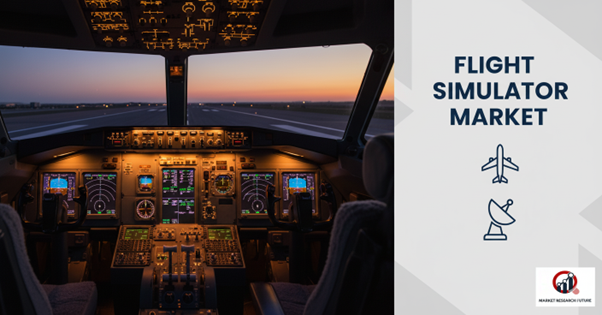
Flight Simulator Market
A flight simulator is a very advanced machine that tries to make the cockpit of an airplane and flying in the real world as real as possible. It creates a pilot's view of the sky, including the movement of planes, sounds, and realistic situations. This lets trainees experience flying without actually going up in the air.
The main goal of a flight simulator is to give pilots who are learning how to fly a safe and controlled place to practice. They can practice, test, and learn how to fly an airplane without putting anyone in danger or breaking anything. Another big benefit is that it's cheaper to train with simulators than to log flight hours in a real plane.
Here are the main reasons why using a flight simulator to train pilots is a good idea:
- Learn how to navigate and plan your route: Flight simulators are very important for improving navigation skills for both Visual Flight Rules (VFR) and Instrument Flight Rules (IFR). Before their real flights, pilots can practice flying whole routes. This is especially helpful for long trips across the country. Simulators let trainees use onboard navigation systems, GPS, and flight management tools to enter and carry out instrument procedures. This not only helps pilots understand what's going on, but it also lowers the risk of making mistakes while flying in real life.
- Make the pilot training experience better: Simulators are useful for both new pilots who are learning the basics and experienced pilots who are trying to get better at more difficult skills. Beginners can practice takeoffs, landings, and maneuvers, while professionals can practice more difficult tasks like flying in bad weather or handling emergency landings. With advanced simulation technology, pilots can even feel turbulence, thunderstorms, and other bad weather conditions, which makes their training more complete and real.
- Keep up the highest levels of skill and safety: Pilots are responsible for hundreds of lives, so they must always be at their best. Pilots can keep their skills sharp, learn how to fly new types of planes, and be ready for tough situations by using a simulator on a regular basis. Airlines and aviation schools use simulators to make sure that pilots always meet safety and performance standards. This ongoing training builds confidence and makes the skies safer in the end.
- Save time and make training more effective: It can take several hours for traditional IFR lessons in the air, including setting up, taxiing, and going over what happened. Simulators let pilots focus directly on the skills they're learning, which cuts training time in half. This means less downtime and more work for airlines, and for trainees, it means a more flexible schedule without sacrificing learning.
- The safest way to learn and try new things: Even with safety systems in place, flying in real planes is always dangerous. Simulators get rid of these risks, so pilots can make mistakes and learn from them without any problems. Pilots can safely try out different ways of flying, control panels, and cockpit systems at a training center or with advanced home simulator setups.
Conclusion
Flight simulators are now an important part of aviation training because they are safe, cheap, and realistic. Simulators not only teach you how to fly technically, but they also give you a stress-free place to practice important communication with Air Traffic Control (ATC) and working together with other pilots, both of which are very important for safe flying.
Flight simulators are the best way to connect classroom learning with real-world flying in today's aviation world, where safety, efficiency, and innovation all go hand in hand. Simulators keep pilots sharp, confident, and ready to fly, whether they are just starting out or have been flying for a long time.
Related Report


Leave a Comment