Cybersecurity – Meaning, its Significance, Varieties of Threats, Real-Time Examples
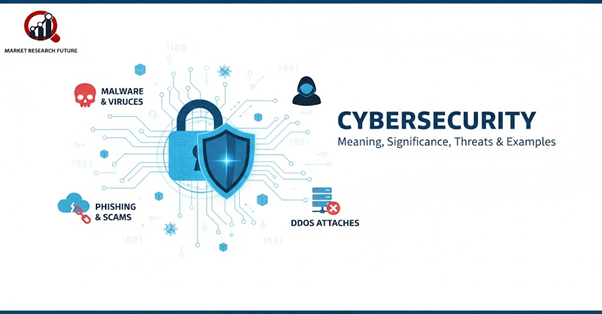
What is Cybersecurity?
Cybersecurity refers to the processes and technologies used to protect computers, servers, mobile devices, networks, and the critical data they carry from malicious attacks by hackers or cybercriminals.
With increasing reliance on computer systems, nations and individuals have become more vulnerable to cybercrime. This has heightened the importance of implementing cybersecurity systems, disaster recovery policies, and business continuity plans.
Cyberspace emerged alongside the early diffusion of the internet, evolving into a virtual world for communication, socialization, and data storage. While convenient, this reliance has increased exposure to cyber-attacks and digital threats.
Significance of Cybersecurity
The internet’s expansion has made the world more connected, but it has also created significant vulnerabilities. Cyber threats often target sensitive data, including military, political, and personal information.
Digitally stored data can be delayed, distorted, modified, destroyed, or stolen, and certain cybercrimes, such as terrorism or child exploitation, can have catastrophic consequences.
Common Types of Cyber Threats
- Cyber Terrorism: Politically motivated attacks on networks and infrastructure to create panic or disruption.
- Cyberwarfare: Includes denial-of-service attacks, hacking, and data theft targeting governments, businesses, and institutions.
- Cyber Espionage: Unauthorized access to personal or sensitive information using proxy servers, spyware, and other techniques.
- Ransomware: Attackers encrypt the victim’s data and demand payment to restore access.
- Malware: Programs like viruses, worms, and Trojan horses that damage networks or devices.
- Social Engineering: Human-targeted attacks that exploit trust, such as phishing or malicious USBs.
Real-time Cyber Incidents
Ukraine faced large-scale cyber-attacks on 27 June 2017, affecting banks, ministries, and power firms. Estonia experienced a major Denial-of-Service attack in 2007, which disrupted online banking, mobile networks, and healthcare systems, linked to a geopolitical dispute.
This incident prompted Estonia to strengthen NATO collaborations and monitor cybersecurity protocols closely.
Regional Analysis
North America leads in cybersecurity adoption, driven by high digitalization and regulatory requirements. Europe focuses on GDPR compliance and advanced cyber risk solutions.
Asia-Pacific, particularly China, India, and Japan, is rapidly expanding cybersecurity investments across IT, finance, and e-commerce sectors. South America is gradually strengthening digital security frameworks, while the Middle East and Africa are investing in cybersecurity infrastructure to support digital transformation and mitigate cyber risks.
Conclusion
Cyber threats have exposed global vulnerabilities to internet dependency. Governments, organizations, and individuals are adopting advanced cybersecurity measures, including integrated next-generation security platforms, to reduce risks and enhance protection against digital threats.


Leave a Comment