Research Methodology on Artificial Intelligence in Security Market
Introduction
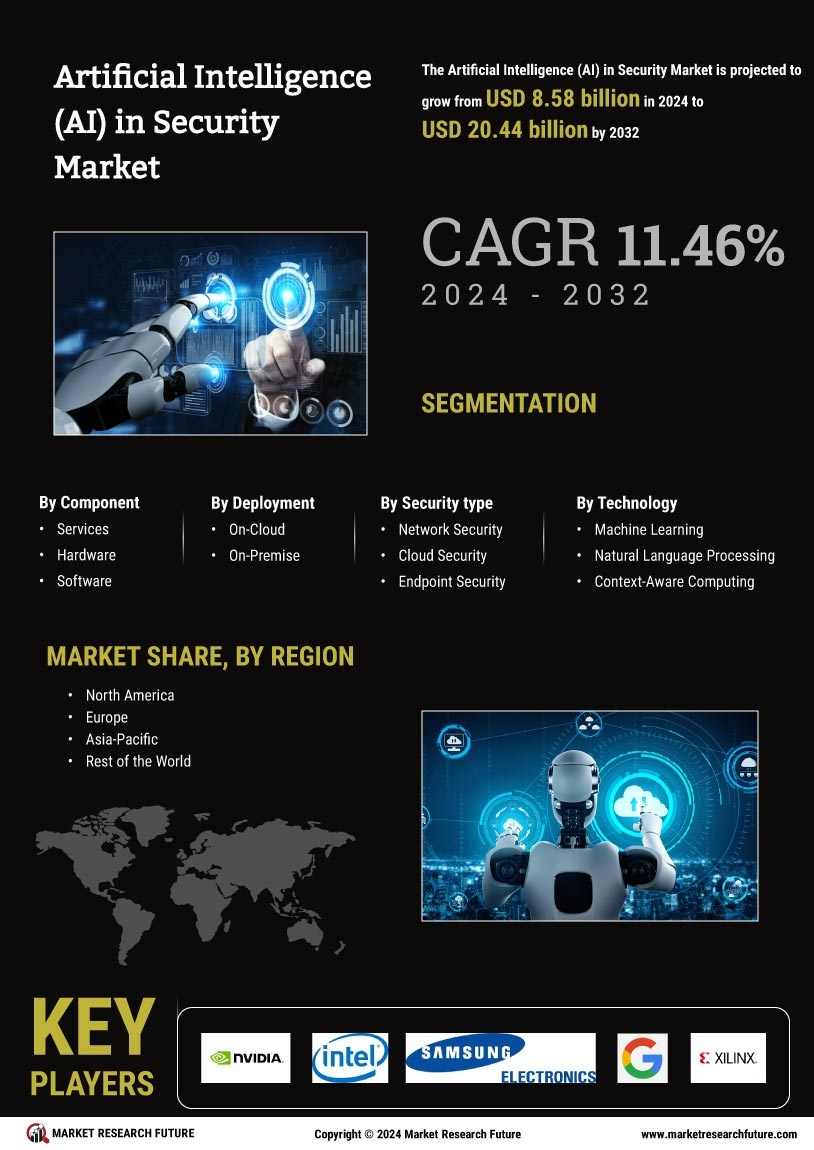
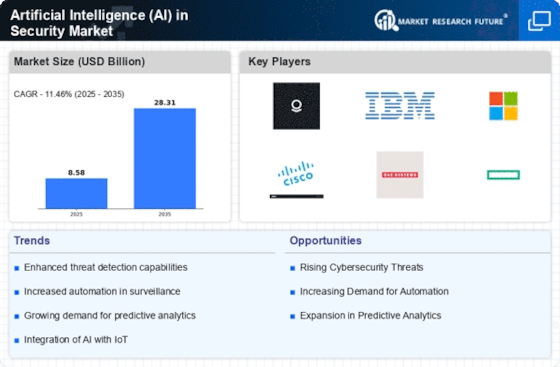
The global Artificial Intelligence (AI) in the Security market is expected to register a steady compound annual growth rate during the forecast period of 2023 to 2030. AI-based security solutions are powered by Cloud Computing and Big Data Analytics, which help to reduce false alarms and detect threats faster and with greater accuracy. AI solutions are utilized to detect anomalies in behaviour and to provide real-time solutions to restore critical infrastructure. The implementation of AI solutions in security is expected to witness significant growth, owing to the technological advancements in the field of AI, ML and Deep Learning.
Objective
The objective of the study is to conduct research into the current and projected state of global AI in the Security market to identify future market opportunities and forecasts.
Research Methodology
This research report is based on a combination of primary and secondary research conducted. The purpose of this research is to review the current trends, technologies and developments in AI in the Security market. The research includes both qualitative and quantitative research.
Sources of Data
In order to collect data for the research report, the following sources were used:
Data from primary sources i.e. primary data is collected through interviews and surveys with key industry professionals such as security professionals, technology experts, and market analysts.
Data from secondary sources i.e. secondary data is collected from reports, news articles, press releases and industry journals such as Security Today, Security Management Magazine, The Journal of Security Management, Security Products and Network Security journals.
Research Methodology
The following research frameworks were utilized in the study:
Quantitative research - Quantitative research was used in the study to analyze the AI in Security Market using statistical methods. A market research survey was conducted to determine the current trends and developments in the market.
Qualitative research - Qualitative research was used to explore the reasons behind the observed trends and to provide insights into the technological, legal and social implications of the AI in Security market. A focus group and interviews were conducted to gain insights into the views and opinions of security specialists, technology vendors, and industry experts.
Data Analysis
The following statistical techniques were used for the analysis and interpretation of data collected from the primary and secondary sources:
- Descriptive Analysis- Descriptive Analysis was used to analyze the current trends and developments in the AI in Security Market.
- Regression Analysis - Regression Analysis was used to identify the key drivers and restraints that may impact the AI in Security Market.
- Correlation Analysis - Correlation Analysis was used to identify the relationships between the different variables, such as technology and adoption, in the AI in Security Market.
- Cluster Analysis - Cluster Analysis was used to group the data into distinct clusters according to a market segment.
- Factor Analysis- Factor Analysis was used to determine the key factors impacting the AI in Security Market.
- Discriminant Analysis - Discriminant Analysis was used to segment the data into homogenous clusters and to identify the variables influencing the market segments.
Conclusion
This research report concluded that the AI in Security Market is experiencing a period of significant growth, due to the increasing adoption of AI solutions in security. Furthermore, the report identified the key drivers and limitations of the market, as well as the opportunities available to the vendors in the market. This research provides insight into the current and projected state of the AI in Security market and helps the reader to identify the potential areas of growth in the global market.