Research Methodology on Genetic Testing Market
1. Introduction
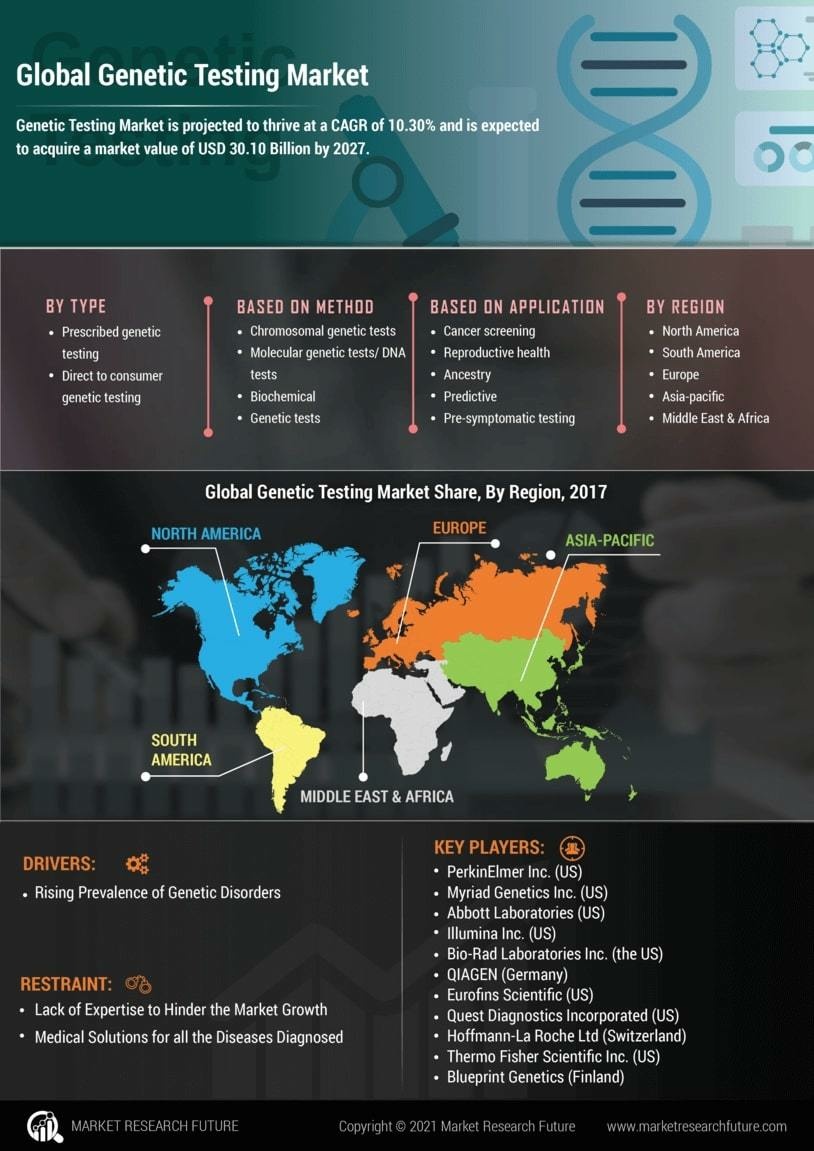
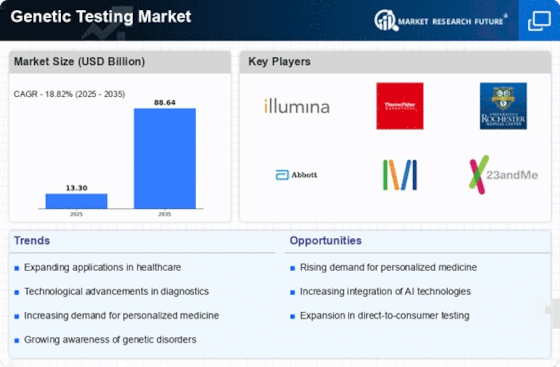
Genetic testing is the analysis of DNA or other genetic material to detect the presence or absence of a specific gene or combination of genes or to make inferences about the likelihood of a person having a particular genetic trait. The global genetic testing market is expected to grow greatly during the forecast period 2023 to 2030. The Market Research Future study demonstrates that the genetic testing market is driven by rising awareness and government initiatives, increasing the prevalence of genetic disorders and diseases, technological advancements, and increasing investments in research and development.
This report aims to evaluate the market potential for genetic testing and to offer market insights for companies to be successful in their strategic planning. A methodology is proposed for the research that is conducted in order to extract and analyse relevant data for the report.
2. Aims and Objectives
The proposed research aims to identify and evaluate the market potential for genetic testing. To achieve this goal, the following specific objectives are addressed:
(i) To understand the trends and dynamics of the genetic testing market,
(ii) To analyse the market share of the various stakeholders involved in the genetic testing market,
(iii) To identify the opportunities, challenges and threats faced in the market,
(iv) To examine the factors influencing market growth,
(v) To analyse the competitive landscape,
(vi) To identify the key players and market segments,
(vii) To identify and assess the regulatory and legislative environment of the market.
3. Research Design
This research project adopts a qualitative research design, focusing on exploratory and descriptive data. The research employs both primary and secondary research sources. The primary data sources include interviews with key players in the market and stakeholders, such as clinicians, geneticists and genetic counsellors to acquire secondary data from industry publications and reports, government sources and websites, books, and databases. The usage of these sources enables the researchers to gain insights into the trends, issues and opportunities in the market.
4. Population, Sampling and Data Collection
The population for this research includes all the stakeholders involved in the market. The stakeholders include genetic testing providers, clinical laboratories and physicians, as well as technology companies offering genetic testing solutions. The primary data is collected through in-depth interviews with key players in the market. A purposive sampling technique is used, selecting appropriate individuals or groups who can provide relevant information and opinion on the market. The information is then evaluated and conclusions are drawn regarding the various trends, issues and opportunities present in the market.
5. Data Analysis
The data obtained from primary and secondary data sources are analyzed using quantitative and qualitative methods. The quantitative data is analyzed through the use of statistical methods, such as correlation and regression, t-statistics and chi-square tests. The qualitative data is analyzed using thematic analysis and content analysis. The results of the data analysis are then used to draw conclusions and make recommendations regarding the market potential for genetic testing.
6. Ethical Considerations
The research project adheres to ethical standards. The findings of the research are not to be used for any commercial purpose or any illegal activities. All stakeholders involved in the research are informed about the objectives of the research and are encouraged to provide unbiased opinions. Respect for the privacy and confidentiality of the stakeholders, as well as the research subjects, will be maintained throughout the research process. Further, the research subjects or stakeholders are not disadvantaged in any way due to their involvement in the research.
7. Conclusion
This research project provides valuable insights into the global genetic testing market. The proposed methodology will be an effective way to obtain and analyze relevant data needed for the research report. Adherence to ethical standards ensures that the integrity and objectivity of the research are maintained. The primary and secondary sources of data selected for the research enable the researchers to gain a comprehensive understanding of the market potential for genetic testing.