Research Methodology on Carrageenan Market
1. Research Objectives
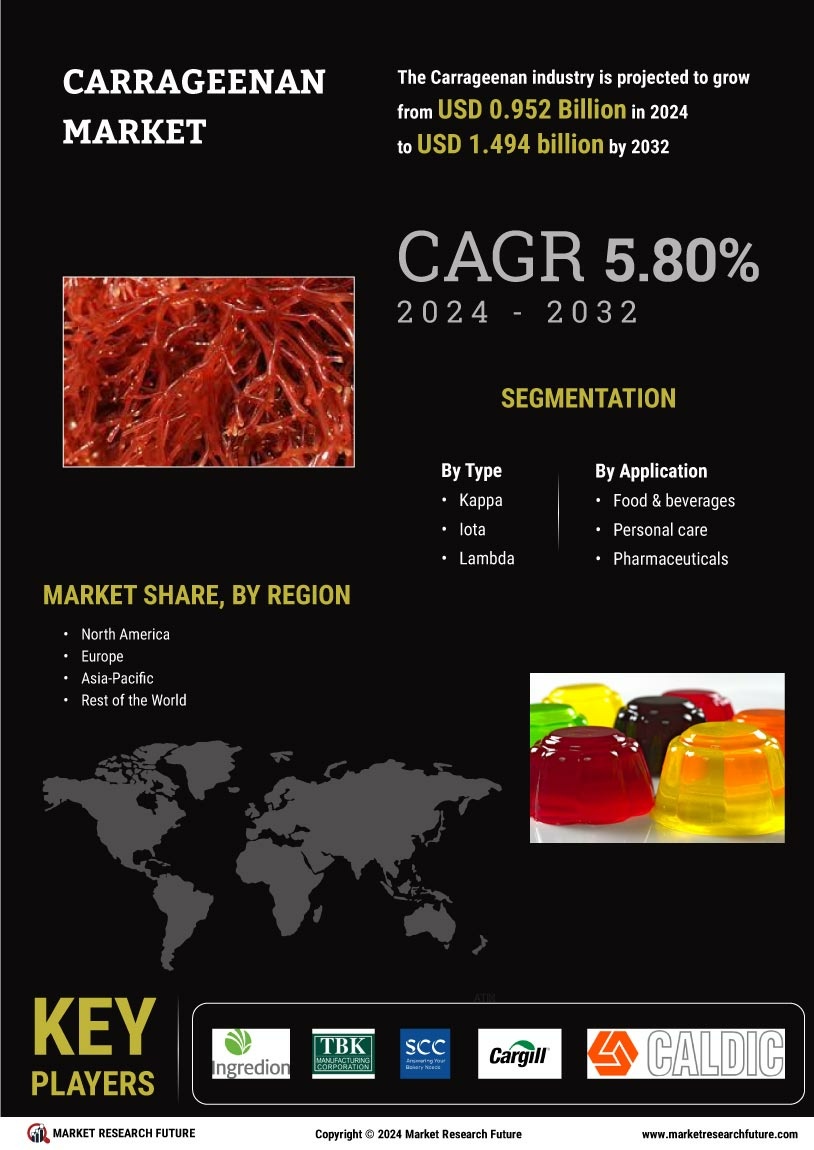
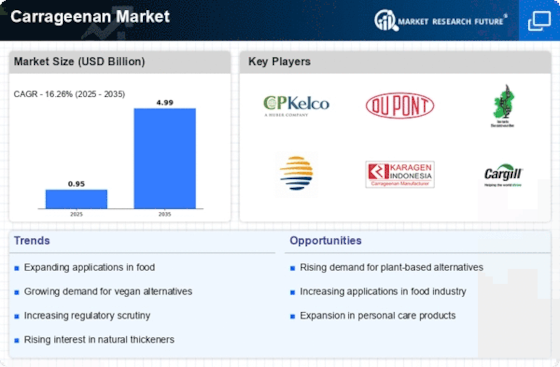
The overall objective of this research is to provide an in-depth analysis of the global Carrageenan market and assess the current and potential future developments and trends in the industry. The exploration and evaluation of the current characteristics and developments in the Carrageenan market will be done, to comprehend the probable development of the industry in the years to come.
Specifically, the research aims to answer the following questions:
- a) What is the current market size and forecast of the Carrageenan market?
- b) How has the market evolved over the years?
- c) What are the main factors driving, restricting and challenging the growth of the Carrageenan market?
- d) Who are the major players in the Carrageenan market and what are their strategies?
- e) What is the market potential of the Carrageenan market?
2. Research Approach
The research approach adopted for this study is a mix of primary and secondary research. To understand the current dynamics and estimate the future outlook of the Carrageenan market, the research project makes use of both qualitative and quantitative data. The primary research includes extensive interviews with key opinion leaders in the Carrageenan market, whereas the secondary research will be conducted through several resources such as industry databases, company annual reports, associations and journals.
3. Research Design
The research design will be primarily industry-centric and market-oriented. The research design will enable the accurate compilation and assessment of all the variables and parameters needed to understand the Carrageenan market in-depth and in detail.
4. Research Data
The basic research data includes both primary and secondary data sources. Primary sources of information include industry surveys, people from the Carrageenan market, customers and interviews with well-recognized industry experts. Secondary data sources include company databases, paid and free industry resources, publications and reports published by trade associations.
5. Data Analysis
The data collected will be analyzed using both qualitative and quantitative methods to identify the prevailing trends and dynamics in the Carrageenan market. Secondary data sources will be used to obtain information on the historical and current developments in the Carrageenan market. The research project will use standard market segmentation techniques to divide the market into proper segments. The extracted data will be analyzed to provide an overall picture of the Carrageenan market in terms of various parameters.
6. Tool of Analysis
The primary analysis tools for this research include Porter’s Five Forces Model, Value Chain Analysis and SWOT Analysis. These analytical tools will help to comprehend the competitive landscape and the factors driving, restraining and challenging the growth of the Carrageenan market from 2023 to 2030.
7. Data Validation
The research data and information will be carefully verified by cross-checking with the sources mentioned in the research project. The obtained information will be validated by the triangulation of various sources of data. It will ensure the accuracy of the obtained information. The data collected will be verified using both primary and secondary sources.