Research Methodology on AR and VR in Education Market
Introduction
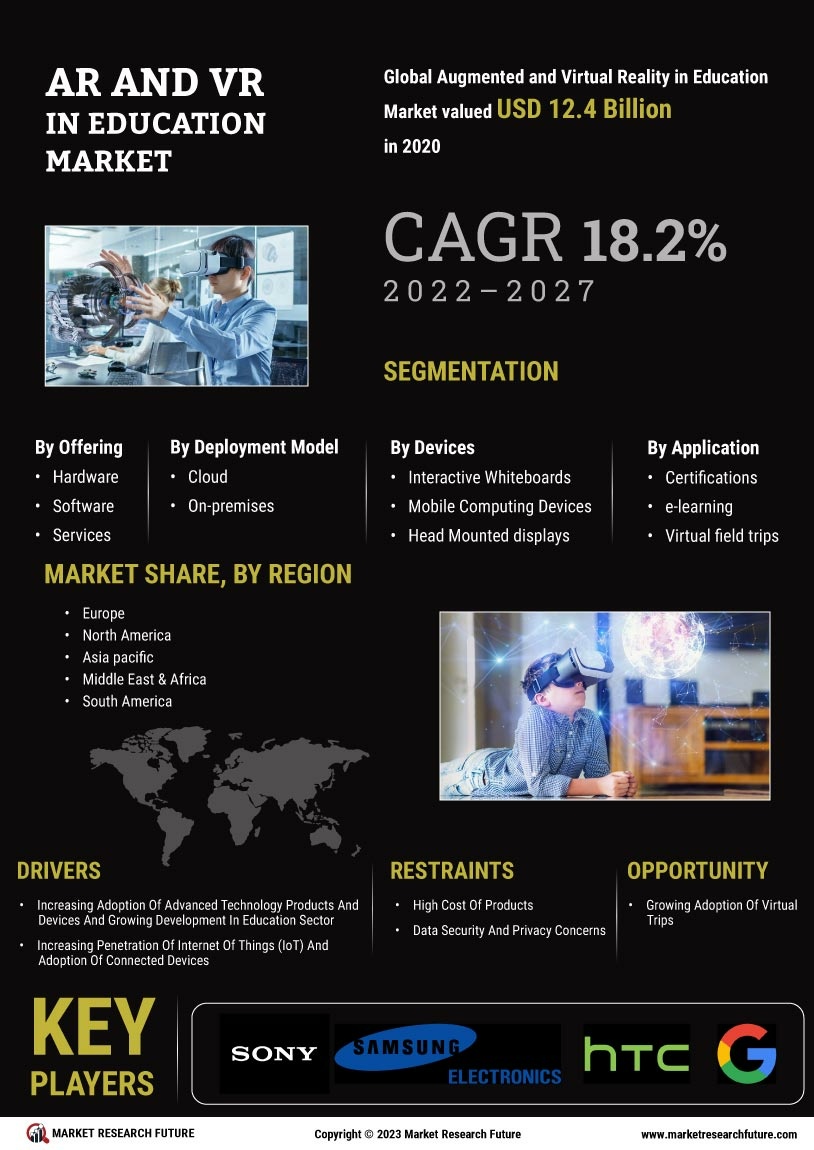
In recent years, the usage of Augmented Reality (AR) and Virtual Reality (VR) in education has taken the world by storm. AR and VR technologies provide a unique learning experience through which users can actively engage with virtual or augmented content. The use of these technologies has resulted in tremendous transformations in the way educational content is imparted and how learning is perceived. It allows students to learn interactively and gain insights from a 3D environment.
The objective of this research is to investigate the potential of AR and VR in education and analyse their impact on student learning outcomes. Moreover, this research discusses the challenges associated with the adoption and implementation of AR and VR in educational institutions.
The research is based on secondary research and primary data which includes surveys, interviews, and focus groups.
Research Methodology
This research adopts a componential methodology, which shall include both qualitative and quantitative research techniques. The aim of the research is to gain a better understanding of the impact of the use of AR and VR technology in the education sector. The following is a step-by-step guide to the theoretical framework:
1. Collection of secondary data
The first step of the research process involves the collection of secondary data to gain insight into the existing scenarios and current trends associated with AR and VR in education. This secondary data includes information from online sources such as journals, websites, books and the annual reports of educational institutions. Additionally, it also includes data from other relevant sources such as market research reports, industry analysis, etc. Maximum usage of research shall be given to secondary sources.
2. Design of survey questionnaire
The next step involves the design of a survey questionnaire to evaluate the effectiveness of AR and VR technologies in education. Questions shall include, but not be limited to, the student’s opinions on the benefits and use of AR and VR technology in the education sector, their views on the cost efficiency, user experience, and any possible challenges they have faced due to the adoption of such technologies.
3. Sample selection
The sample shall include undergraduates and postgraduates from both primary and secondary educational institutions. The selection of participants shall be done using a random technique and a purposive technique. This means that a certain percentage of students are surveyed using randomly generated numbers, as well as handpicked individuals with relevant profiles.
4. Primary data collection
This step of the research involves the collection of primary data from the surveyed participants. This includes both quantitative (structured) and qualitative (unstructured) data, which is further used to analyze the recommendations, potential challenges and outcomes associated with the use of AR and VR in the education sector.
5. Data analysis
The collected data is analyzed using appropriate statistical tools. The aim of this step is to identify and evaluate the key factors leading to the successful and efficient adoption of AR and VR technologies in education. Emphasized is given to the user experience in order to address any issues with the deployment of such technologies.
6. Identification of challenges and recommendations
The conclusion of this research includes the challenges and recommendations based on the primary and secondary data collected and analyzed. Various suggestions, such as providing appropriate training to teachers and ensuring increased accessibility to the technology, are provided based on the collected data. Additionally, strategies for the implementation of AR and VR technologies in educational institutions are also outlined.
Conclusion
This research aims to investigate the potential of AR and VR in education and the impact it has on student learning outcomes. Utilizing componential methodology, primary and secondary data is collected and analyzed to identify the challenges and potential benefits associated with the adoption of such technologies. It also provides recommendations and strategies to ensure their successful implementation in educational institutions. The report hopes to create a platform where students are provided with relevant and interactive insights related to educational subjects using AR and VR.