Research Methodology on Silk Market
Introduction:
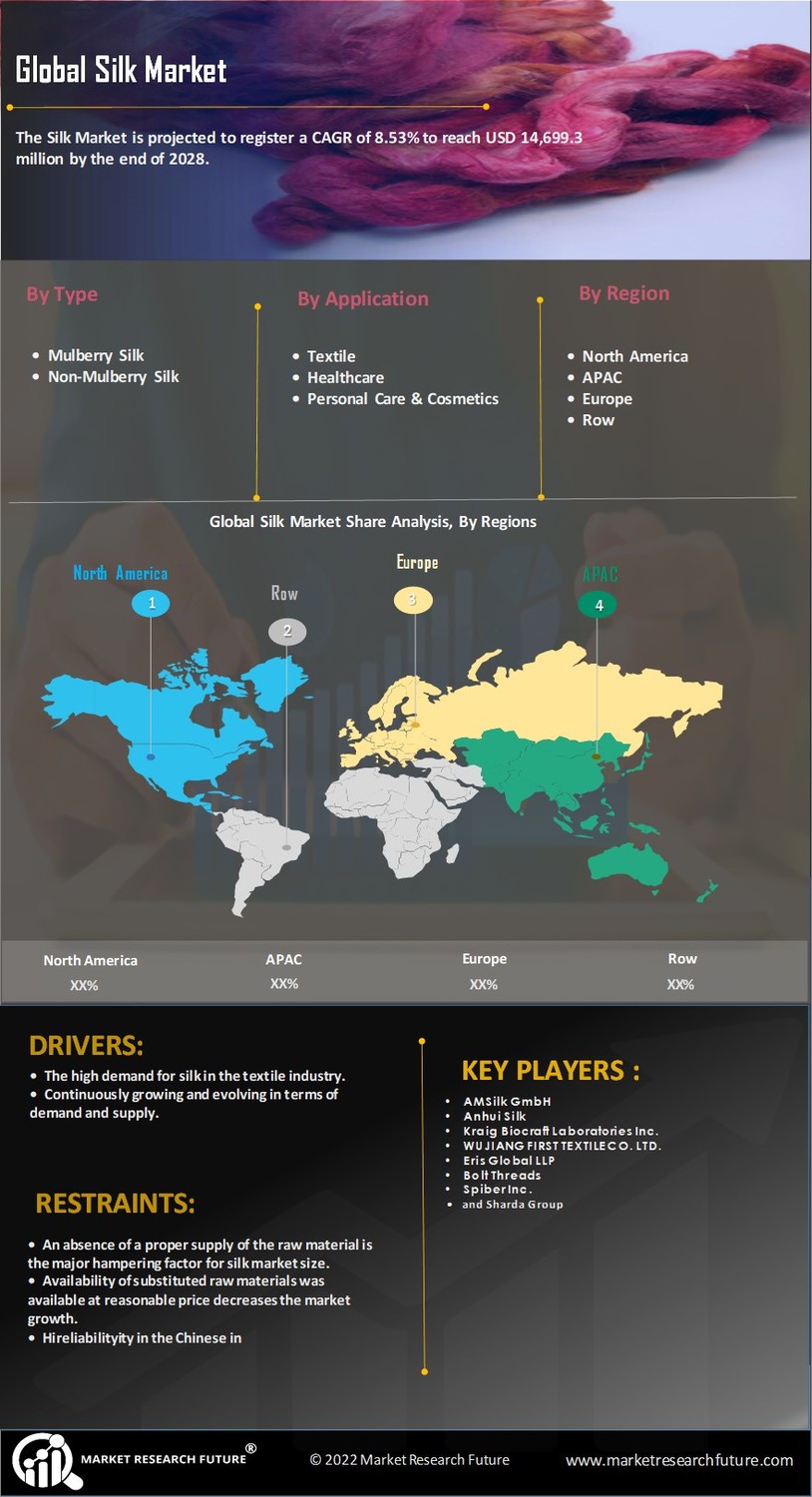
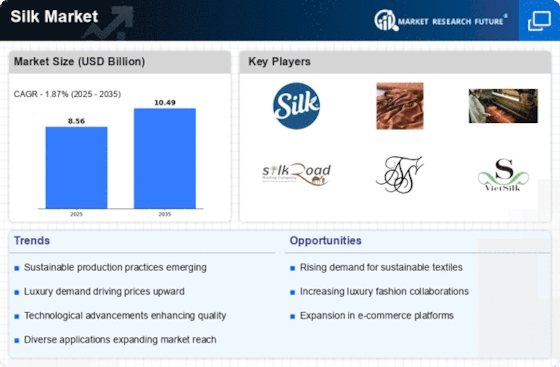
The study of the silk market is a comprehensive analysis that delves into the various aspects and growth factors associated with the same. For this research, a combination of both qualitative and quantitative techniques shall be used to reveal the major trends and drivers that have been influencing the market hitherto and an estimate of the forecasted future state of the market. The global silk market has been estimated to be bolstered by rising revenues due to increasing demand for extremely luxurious fabrics from consumers all over the globe.
Research Objective:
The primary objective of this research is to identify the key factors influencing the global silk market with the help of qualitative and quantitative techniques. The secondary objective is to analyze the growth opportunities available to the industry both now and in the future. The tertiary objective is to make use of the insights gathered in the research to make recommendations and suggestions to the relevant authorities for the optimal management of resources.
Research Methodology & Scope:
To achieve the research objectives, an appropriate methodology has been followed. The research approach focuses on understanding and communicating the market’s intricacies and performing an in-depth quantitative and qualitative analysis of the same. To ensure data accuracy, primary and secondary resources have been utilized from trustworthy sources.
Primary Sources:
The primary sources of information used in the research have been manufacturers and retailers of silk products, as well as other industry authorities. Primary data was obtained through interactions with stakeholders such as interviews, customer surveys, questionnaires, etc.
Secondary Sources:
The secondary sources of data used in the research have been company reports, nationwide reports, trade reports, magazines, and other industry publications. The data gathered from both primary and secondary sources have been further analyzed, validating unnecessary data.
Scope of the Study:
The research provides a detailed analysis of the global silk market and focuses on the leading as well as upcoming segments of the market. The market drivers, restraints, and trends for the study have been exclusively analysed to find the true trajectory of the market. The threats and opportunities have been identified using insights from various stakeholders of the global silk market.
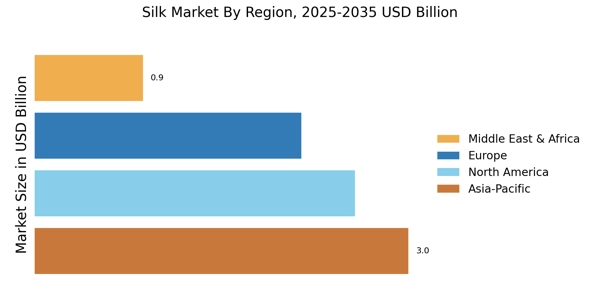
Further, the research has analysed the geographical reach to understand the dominance of each region.
Research Model:
The research uses a combination of both qualitative and quantitative research methods. Specifically, three-step models have been used to analyse the data gathered from primary sources. First, the study has identified the trends and drivers influencing the global silk market. Second, the industry has been analysed by estimating the current and forecasted market size from the research. Third, the competitive landscape is studied in terms of the top players and their strategies in the market.
Data Collection and Analysis:
The data collected for the research has been segmented and organized into different categories such as product type, raw material, end user, distribution channel, region, and others. The data is then analysed using various methods such as regression and correlation techniques.
The major trends, drivers, and challenges of the global silk market have been identified through careful and detailed analysis. If applicable, the different market segments are also evaluated for their potential and opportunities.
Data Triangulation:
Data triangulation has been used to gather multiple perspectives on the market. This is achieved by combining different kinds of data sources such as customer research, engineering data, and financial data. This ensures that the data is accurate and free from biases.
Conclusion:
The research has looked into the major trends and drivers influencing the global silk market. The market size is estimated with the help of a combination of qualitative and quantitative research techniques. The industry is analysed with the help of primary and secondary sources and the competitive landscape is studied in terms of the top players and strategies. The study looks to identify the opportunities and threats present in the market. The data analysis techniques used in the research and data triangulation ensure that the gathered data is accurate and of high quality.