Research Methodology on Protective Packaging Market
Research Design
The research design used for this study is a survey-based research method. The survey is conducted online in English and is divided into two parts: the first part consists of the demographics of the respondents and the returns of their input, and the second part focused on the protection requirements of the product from the various industries that users are targeting.
Research Objectives
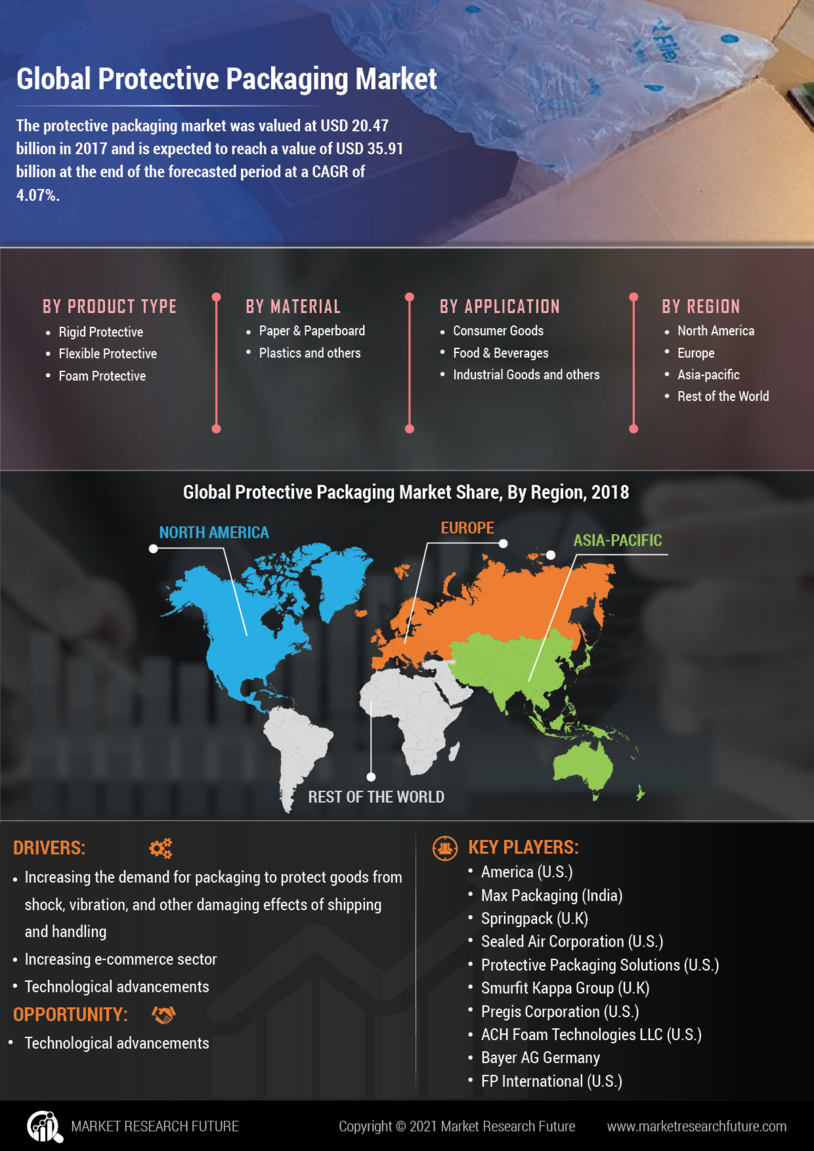
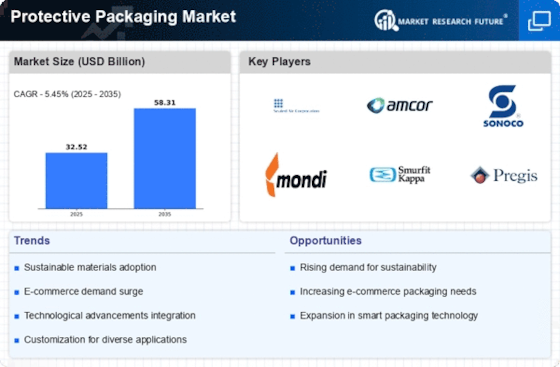
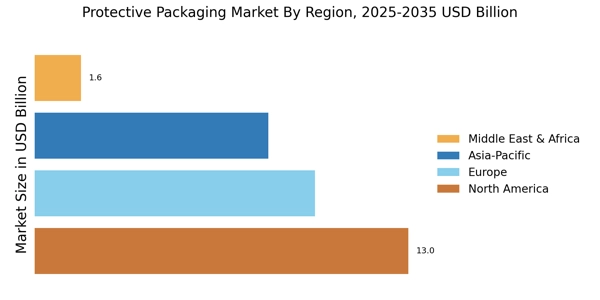
The research objectives for this study are to analyze the Protective Packaging Market, global and regional growth trends, key players, competitive landscape, technology advancement, drivers, and challenges. The report also presents insights into the global Protective Packaging Market structure through the market segmentation analysis.
Sampling Methodology
The target population of this study consists of the manufacturers, distributors, and retailers of protective packaging, targeting global and regional market players.
The sampling frame is determined using the targeted population with the selection of the respondents being based on the criteria such as gender, age, geography, industry profile and so on.
Primary data sources
To collect primary data, qualitative and quantitative methods of data collection are used. For qualitative research, an online survey is conducted with the help of questionnaires in the form of structured, semi-structured and unstructured questions. Furthermore, for quantitative research, face-to-face interviews are conducted with the respondents.
Secondary data sources
Secondary research is conducted on the various industry players in the Protective Packaging market, market size and growth, product launch, sector trends, technology advancement and other factors. Various secondary sources used for collecting this data include research papers, Google Scholar, Factiva, Reports and Data, Euromonitor, Nielsen, consensus estimates, and other whitepapers.
Data Analysis
To analyze the data, a combination of qualitative and quantitative methods is used. For qualitative analysis, content analysis is done for exploring the information collected from the survey. The insights obtained from the content analysis are further used for the validity of the research. Furthermore, for the quantitative analysis, various statistical techniques such as regression analysis, principal component analysis, factor analysis, and other analysis techniques are performed.
Validity and Reliability
The research process is monitored continuously for close to two months. The face-to-face interviews are recorded and the online survey is chosen for the reliability and validity of the data. The items in the questionnaire are structured, semi-structured, and unstructured questions that are well-planned and comply with the research objectives.