Research Methodology on Phenolic Resins Market
1. Introduction
The research methodology used for this report is a comprehensive, systematic approach that includes the definition of the research scope and objectives, the identification and analysis of potential sources of data for the market, and the decisions concerning the methods and techniques for obtaining relevant data. It not only considers the design of the research study but also the implementation of the study and its evaluation.
2. Research objectives
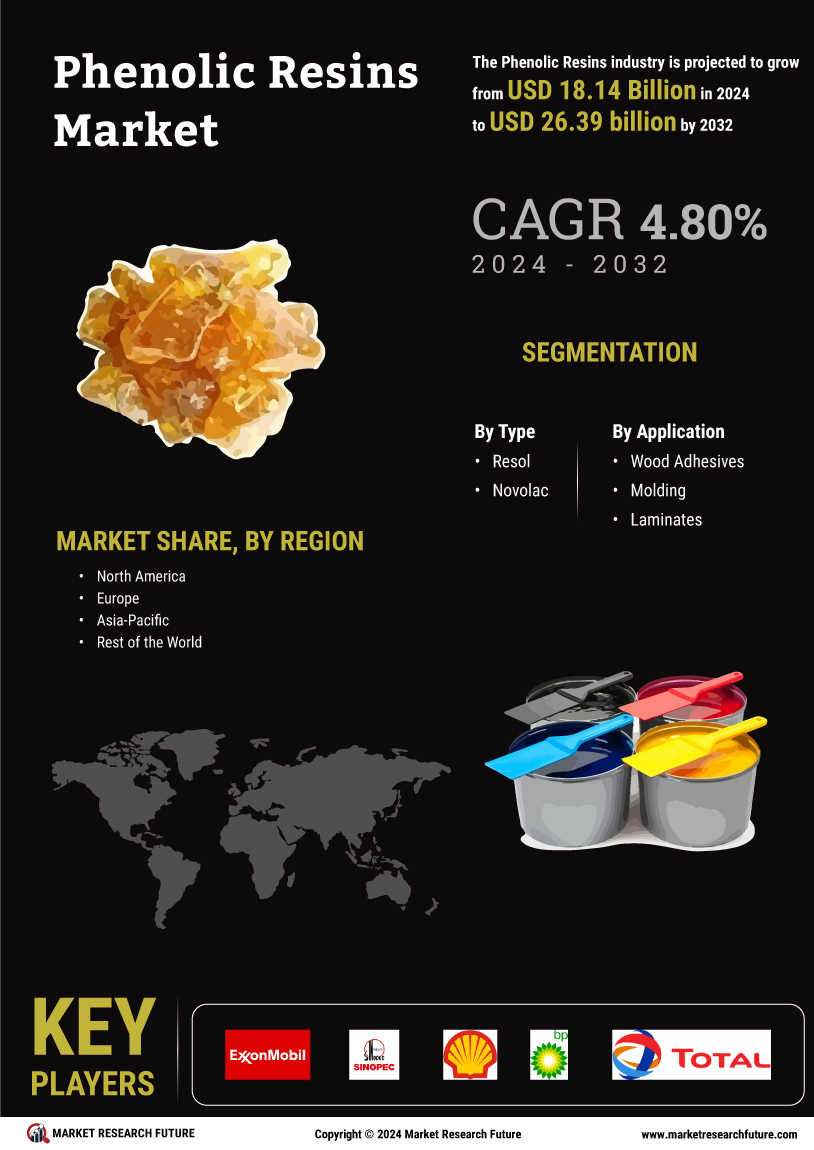
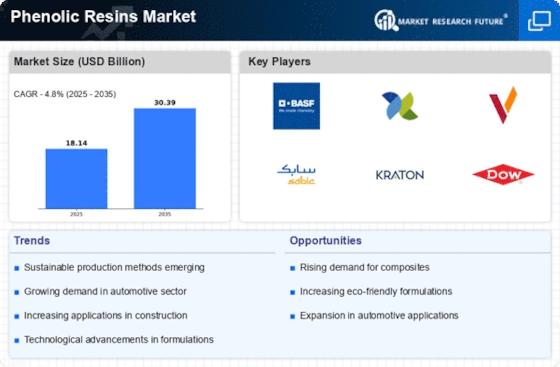
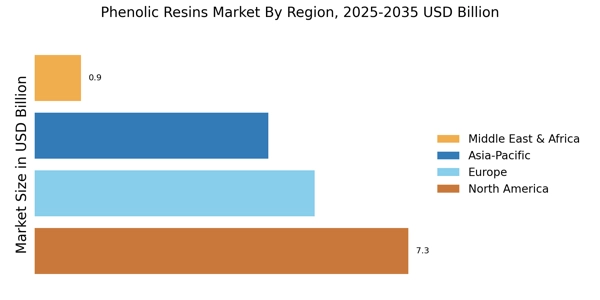
The main objective of this report is to provide an overview of the phenolic resins market concerning market size, growth opportunities, and region-wise developments. In addition, the research will also seek to identify and evaluate the key factors driving the growth of the market and will provide an in-depth analysis of the market segmentation according to product type, application, and region with the market forecast for 2023 to 2030.
3. Primary Research
A thorough primary research is the foundation for obtaining accurate insights into the phenolic resins market. Surveys, interviews, focus groups and expert opinions of the key players in the market have been conducted to gain better insights into the phenolic resins industry. The primary sources include the leading players in the phenolic resins market, government organizations, and trade associations.
4. Secondary Research
Secondary research primarily focused on gathering data from various secondary sources such as company websites, databases, online retail stores, and project reports. This type of research was important in gathering information pertaining to the market size, competitive landscape, market dynamics, opportunities, and threats.
5. Data Collection Tools
In order to gain better insights into the phenolic resins market, various data collection tools were employed. These include questionnaires, surveys, interviews, focus groups, market reports and analyses. The data collected through these sources provided important information on the market trends, size, share, growth drivers, limiting factors, and the competitive landscape of the market.
6. Quantitative & Qualitative Analysis
In order to better understand the market dynamics and size, qualitative and quantitative analyses were performed. Quantitative analysis tools such as ratio analysis, market segmentation, and correlation & regression were used to analyze the historical data and trends in the market. On the other hand, qualitative analysis tools, including market attractiveness analysis, Porter’s five forces analysis, and PESTLE analysis were conducted to obtain a better understanding of the market.
7. Market Estimation
In order to calculate the market size of the phenolic resins market, the top-down approach was employed. The analytical calculations were based on historical data, present industry trends, and future scenarios. The market size estimation was validated with multiple sources such as company reports, industry associations, secondary sources and market experts.
8. Market Validation & Triangulation
In order to ensure the accuracy and reliability of the market data, market sizing and estimation were further validated with the triangulation method. The incorporation of the triangulation method helped gain a better understanding of the data by cross-checking and verifying it with multiple sources.
9. Conclusion
The research methodology employed for this report was comprehensive and systematic in nature. It involved primary research, secondary research, data collection tools, quantitative & qualitative analysis, market estimation, and triangulation for validation.