Research Methodology on Fast Food Market
Introduction
The objective of this research is to provide an analysis of the fast food market and to understand future market trends. MRFR conducts extensive research for the past five years into the fast food market to assess market performance and gauge the impact of the industry on global economies. The research also provides insights into the changing pattern of consumers’ preferences in different countries, the effects of product innovation on the market, and the emerging trends in the fast food industry.
Research Design
MRFR’s research on the fast food market is conducted through a combination of both primary and secondary data collection. The primary data is gathered through interviews and focus group discussions with leading market participants such as fast food retailers, distributors, suppliers, and other industry stakeholders. The secondary data is collected from published research reports, market intelligence sources, and industry publications.
Sampling
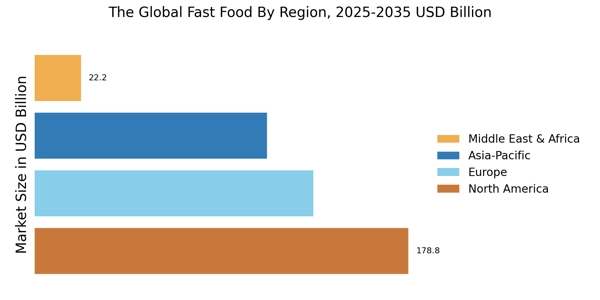
The research is conducted with a focus on the North American, European, and Asian markets. The companies chosen for the study represent the leading players in the market in each region. These companies are selected based on their geographical presence, product portfolio, market share, financial performance, and competitive landscape.
Data Collection and Analysis
MRFR used both quantitative and qualitative methods to analyze the data collected. The data is analyzed using market size estimations and forecasts, revenue models, and regression analysis. Qualitative research is conducted through a series of interviews with industry stakeholders and focuses on group discussions. The interviews and discussions are conducted to gain an understanding of the drivers of the industry and the challenges that it currently faces.
Results
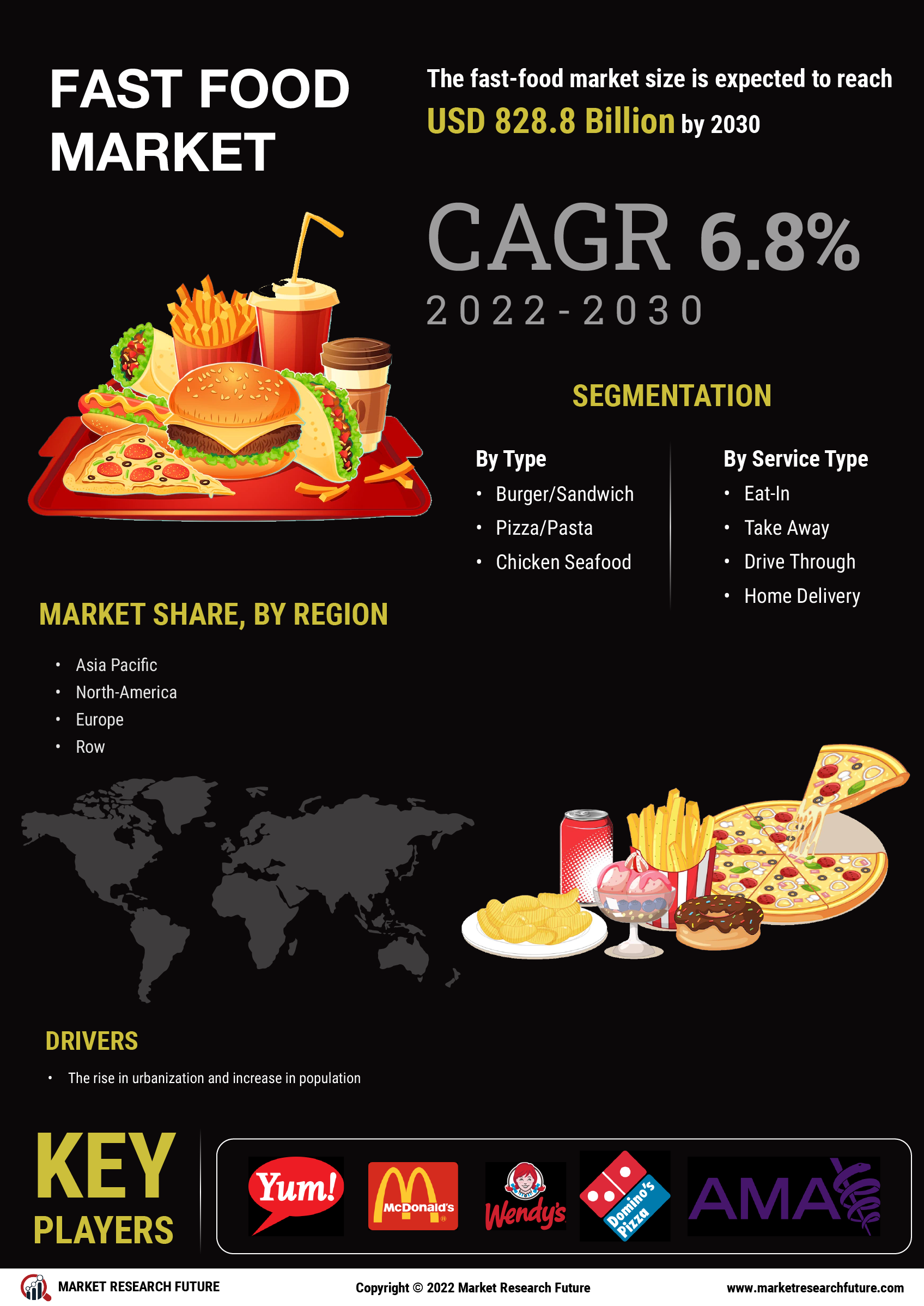
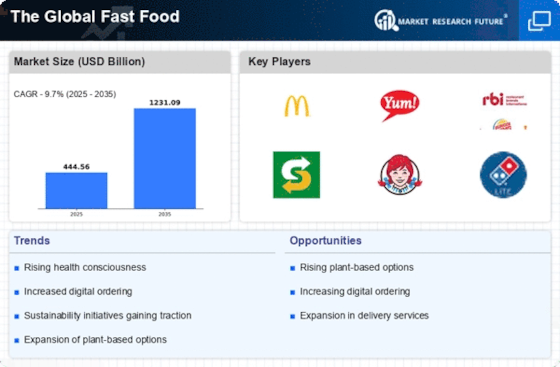
The research findings indicate that the global fast-food market is expected to grow at a steady growth rate during the 2023-2030 period. The said growth is driven by increasing demand for convenience foods, changing lifestyles, and the growing trend of health-conscious consumers. The research also highlights the emergence of new product categories in the market such as plant-based alternatives, breakfast items, and frozen snacks. Furthermore, the study found that the fast food products sold in North America, Europe, and Asia differ significantly from one another in terms of ingredients, flavours, and texture.
Conclusion
Overall, the research conducted by MRFR provides a comprehensive and in-depth analysis of the fast food industry across different regions. The report provides a thorough overview of the market and its dynamics and identifies the key drivers and threats in the industry. It also provides in-depth insights into the changing consumer preferences and emerging trends in the fast-food market.