Research Methodology on Adhesion Barrier Market
Research Background
Adhesion barriers are defined as biological membranes which are placed surgically in order to reduce the risk of post-operative adhesions between tissue planes and organs. These barriers act as a protective barrier between tissues and organs, reducing the formation of post-operative adhesions. Adhesive barriers are particularly useful in preventing post-surgical adhesions occurring between intestinal loops, after gynaecological, urological, and cardiac surgeries, among others.
Objectives of the Study
The objectives of this research study on the Adhesion Barrier Market are as follows:
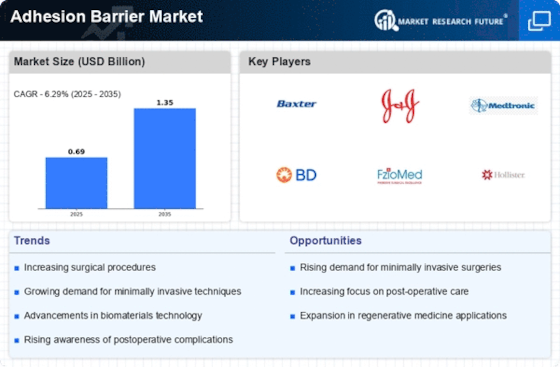
- To provide an overview of the global Adhesion Barrier market and forecasts from 2023 to 2030
- To analyze the trends in the Adhesion Barrier market
- To identify the drivers, restraints, and challenges that are impacting the growth of the Adhesion Barrier market
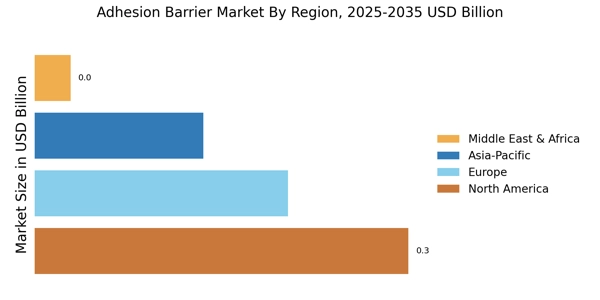
- To analyze the geographical and regional markets of the Adhesion Barrier market
- To analyze Porter’s Five Force Model of the Adhesion Barrier market
- To identify the key players and their market shares in the Adhesion Barrier market
- To identify the strategies adopted by the key players in the Adhesion Barrier market
- To analyze the micro and macro-economic factors that are impacting the Adhesion Barrier market
Research Methodology
The research methodology employed for the study is an analysis of primary and secondary data supported by methodology triangulation. The primary and secondary research methodology involved the collection of data from various sources including industry experts, key opinion leaders, industry associations, and published reports. The primary research component included in-depth interviews and surveys of industry professionals. The secondary research component included a comprehensive study of the existing and future market trends and related reports.
Data Collection
Data collection and validation for the research study were done through extensive secondary and primary research. Secondary research sources included published journals, magazines, and articles, as well as industry associations. Primary research involved interviewing industry experts and stakeholders such as managers and practitioners. Data collection and validation occurred through three phases, which included:
- A structured questionnaire was distributed to key opinion leaders
- Industry insights from accomplished experts and thought leaders were collected
- Patient experiences and opinions of clinicians and surgeons were sought
Analytical Tools
The research study made use of the following analytical tools:
- Porter’s Five Force Model: To analyze the competitive environment and events shaping the growth of the Adhesion Barrier Market
- SWOT Analysis: To analyze the Adhesion Barrier Market from a competitive and strategic perspective
- Data Triangulation: To serve as an evidence validator where primary and secondary research have discrepancies
Geographical Analysis
The research report focuses on the regional markets for Adhesion barriers which are spread across North America, Europe, Asia Pacific, and the Rest of the World (RoW). The current and future trends in each region have been studied based on current and past regional market estimates.
Assumptions
The following assumptions have been made in this study:
The research has taken into account the key supplier, strategic alliances, and partnerships forming in the global adhesion barrier market
The research anticipates the sales of adhesion barrier products to increase at a substantial pace in the near future
The research factors in the volatile costs of raw materials, which may impact the prices of adhesion barrier products