尼古丁口服可溶薄膜市场 摘要
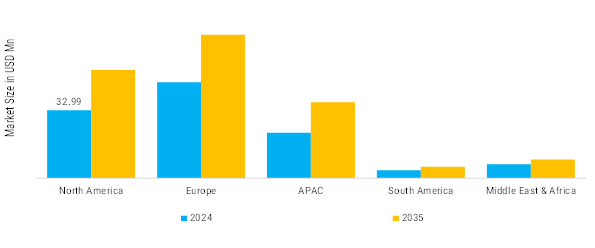
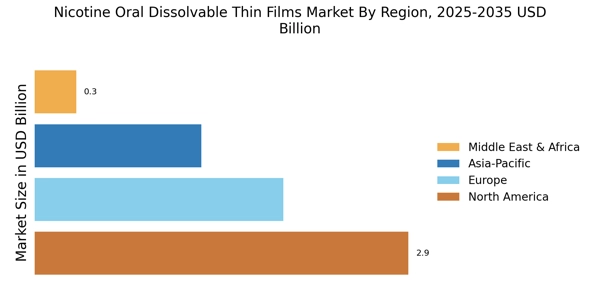
根据MRFR的分析,尼古丁口服可溶薄膜市场在2024年的规模为1.1234亿美元。预计市场将从2025年的1.1731亿美元增长到2035年的1.7418亿美元,预测期内的年均增长率为4.42%。北美市场占据了超过2.58%的份额,产生了约290万美元的收入。
尼古丁口服可溶薄膜市场正在增长,原因是对戒烟解决方案的认识不断提高,以及对便捷的尼古丁替代疗法的需求上升。主要趋势包括快速溶解配方的开发、隐秘消费形式的出现,以及全球公共卫生倡议和行为支持项目的支持下,烟草危害减少策略的日益采用。
根据世界卫生组织,烟草使用每年导致超过800万人死亡,这推动了全球对戒烟和尼古丁替代疗法的强烈努力。
主要市场趋势和亮点
尼古丁口服可溶薄膜市场正在经历强劲增长,主要受对隐秘、有效的戒烟辅助工具需求上升的推动。
- 全球公共卫生运动和反吸烟倡议正在推动采用。来自吸烟与健康办公室的努力鼓励戒烟,提升了对便利的尼古丁替代疗法(NRT)选项的需求。
- 薄膜技术的进步提高了生物利用度和溶解速度。创新包括多种口味、精确剂量(例如1mg和2mg强度)以及通过舌下或颊部途径的灵活给药。
- 向减少危害的转变使得薄膜成为中度/重度吸烟者的选择。2mg剂量在渴望管理中占主导地位,而1mg在轻度用户中获得关注。
- 对吸烟风险的日益认识推动了对替代品的需求。薄膜提供无烟、无味的选择,符合健康趋势并提供支持。
市场规模与预测
| 2024市场规模 | 112.34(百万美元) |
| 2035市场规模 | 174.18(百万美元) |
| 年均增长率(2025 - 2035) | 4.42% |
主要参与者
如Nicoccino Holding Ab、Nissha Co., Ltd.、Adhexpharma、Arx、Llc、Zim Laboratories Limited、Lts Lohmann Therapie-Systeme Ag、Nal Pharma、Inventz、Renejix Pharma Solutions、Dk Livkon Pvt. Ltd.等公司是全球市场的一些主要参与者。




 Noah Malgeri
Co-Founder

 Peter Groot koerkamp
Account and Business Manager

 Younghwan Choi
Senior Retail Manager

 Mark Irwin
Management Consultant

 Akif Moroglu
Strategy & Business Development Director

 Guilherme Gomes Martins
Product Management Director

 Joseph Aguayo
Sales Operations & Pricing Manager

 La Terria Dodd
Program Support Specialist

 Rob Kooiker
Group Product Manager HVAC & Fire Protection GMA



