해양 추진 엔진 시장 (2026 - 2035)

Marine Propulsion Engine Market Research Report By Engine Type (Diesel, Dual-Fuel, Gas Turbine, Steam Turbine, Fuel Cell, Others), By Application (Passenger, Commercial Cargo, Defense), By Ship Type (Container Ship, Tanker, Bulk Carrier, Offshore Support Vessel, Passenger / Ro-Ro, Others), By Fuel Type (Heavy Fuel Oil (HFO), Marine Diesel / Gas Oil, LNG, Methanol, Others), By Power Range (Up to 1,000 kW, 1,001 kW to 5,000 kW, 5,001 kW to 10,000 kW, 10,001 kW to 20,000 kW, Above 20,000 kW) - Forecast to 2035
ID: MRFR/EnP/28171-HCR 128 Pages Priya Nagrale Last Updated: September 17, 2026
Marine Propulsion Engine Market
Market Size
Forecast Period2026-2035
CAGR (2026-2035)2.74%
2025 Market SizeUSD 41.33 Billion
2035 Market SizeUSD 54.16 Billion
Key Players
MAN Energy Solutions
Wärtsilä
Caterpillar Marine
HD Hyundai Heavy Industries E&M
Mitsubishi Heavy Industries
Rolls-Royce Power Systems
Opportunities
  • Ammonia-Ready Architectures as a Hedging Product
  • Emerging-Market Coastal and Inland Fleets
  • Aftermarket and Performance Data Monetisation

해양 추진 엔진 시장 요약

Market Research Future 분석에 따르면, 해양 추진 엔진 시장 규모는 2024년에 189.2억 달러로 추정되었습니다. 해양 추진 엔진 산업은 2025년 194억 달러에서 2035년까지 248.8억 달러로 성장할 것으로 예상되며, 2025 - 2035년 예측 기간 동안 연평균 성장률(CAGR)은 2.52%에 이를 것으로 보입니다.

주요 시장 동향 및 하이라이트

해양 추진 엔진 시장은 지속 가능성과 효율성을 향한 변혁적인 변화를 경험하고 있습니다.

  • 시장은 환경 문제에 의해 주도되는 지속 가능한 기술로의 주목할 만한 전환을 목격하고 있습니다.
  • 규제 영향은 해양 추진 시스템의 설계 및 기능을 점점 더 형성하고 있습니다.
  • 북미에서는 디젤 엔진이 가장 큰 세그먼트로 남아 있는 반면, 아시아-태평양에서는 전기 엔진이 빠르게 주목받고 있습니다.
  • 기술 발전과 연료 가격 상승은 해양 추진 엔진 시장의 성장을 촉진하는 주요 요인입니다.

시장 규모 및 예측

2024 시장 규모 18.92 (억 달러)
2035 시장 규모 24.88 (억 달러)
CAGR (2025 - 2035) 2.52%

주요 기업

MAN 에너지 솔루션 (DE), 바르질라 (FI), 롤스 로이스 (GB), 캐터필러 (US), 제너럴 일렉트릭 (US), MTU (DE), 얀마 (JP), 콩스베르그 그룹 (NO), ABB (CH)

해양 추진 엔진 시장 Treiber

Rising Fuel Prices and Economic Factors

The Marine Propulsion Engine Market is also influenced by rising fuel prices, which compel shipping companies to seek more fuel-efficient propulsion systems. Fluctuations in fuel costs can significantly impact operational expenses, prompting operators to invest in advanced technologies that enhance fuel efficiency. The market is witnessing a shift towards engines that utilize alternative fuels, such as LNG and biofuels, which may offer cost advantages in the long run. This trend indicates a potential transformation in the propulsion landscape, as companies adapt to economic pressures while striving to maintain competitiveness in the industry.

Environmental Regulations and Compliance

The Marine Propulsion Engine Market is heavily impacted by stringent environmental regulations aimed at reducing greenhouse gas emissions and promoting sustainable practices. Regulatory bodies are increasingly enforcing standards that require marine vessels to adopt cleaner propulsion technologies. For example, the International Maritime Organization has set ambitious targets for reducing emissions by 50% by 2050. This regulatory landscape compels manufacturers to innovate and develop engines that comply with these standards, thereby driving the market forward. As a result, the Marine Propulsion Engine Market is likely to witness a shift towards more environmentally friendly solutions, fostering growth in sectors focused on sustainability.

Growing Investment in Marine Infrastructure

Increasing Maritime Trade and Transportation

Technological Advancements in Marine Propulsion Engine Market

The Marine Propulsion Engine Market is experiencing a surge in technological advancements, particularly in the development of hybrid and electric propulsion systems. These innovations are driven by the need for reduced emissions and improved fuel efficiency. For instance, the integration of advanced materials and digital technologies is enhancing engine performance and reliability. The market is projected to grow at a compound annual growth rate of approximately 4.5% over the next five years, as manufacturers invest in research and development to meet evolving consumer demands. Furthermore, the adoption of automation and smart technologies in marine propulsion systems is likely to streamline operations, thereby attracting more stakeholders to the industry.

시장 세그먼트 통찰력

The Marine Propulsion Engine Market demonstrates a diverse distribution among different engine types, with Diesel Engines holding the largest market share due to their established technology and reliability in a variety of marine applications. Gas Engines also play a significant role, catering to specific markets that demand cleaner alternatives. Electric Engines, though currently smaller in market share, are quickly gaining traction as advancements in battery technology and rising environmental concerns drive their adoption.

In the Marine Propulsion Engine Market, Marine Diesel Oil (MDO) dominates the fuel type segment, holding the largest market share. Following MDO are Heavy Fuel Oil (HFO), Natural Gas, and Liquefied Natural Gas (LNG), each contributing to the diverse landscape of marine fuels. While MDO continues to lead, LNG is rapidly gaining traction as the market shifts towards cleaner fuel alternatives, catering to the increasing environmental regulations in the maritime industry. The growth trajectory of this segment is significantly influenced by stringent regulatory frameworks aimed at reducing carbon emissions from ships. The transition to LNG, paired with innovations in dual-fuel engines, is shifting the competitive dynamics, driving investments, and enhancing the operational efficiencies of marine vessels.

해양 추진 엔진 시장에 대한 더 자세한 통찰력 얻기

지역 통찰력

North America : Innovation and Sustainability Focus

North America is a significant player in the Marine Propulsion Engine Market, driven by technological advancements and a strong emphasis on sustainability. The region holds approximately 35% of the global market share, making it the largest market. Regulatory support for cleaner technologies and investments in marine infrastructure are key growth drivers. The demand for efficient and eco-friendly propulsion systems is on the rise, influenced by stringent environmental regulations. The United States and Canada are the leading countries in this region, with major companies like Caterpillar and General Electric leading the charge. The competitive landscape is characterized by innovation, with firms investing heavily in R&D to develop advanced propulsion technologies. The presence of established players ensures a robust market environment, fostering collaboration and growth in the sector.

Europe : Regulatory-Driven Market Growth

Europe is a pivotal region in the Marine Propulsion Engine Market, characterized by stringent environmental regulations and a strong push for sustainable solutions. The region accounts for approximately 30% of the global market share, making it the second-largest market. The European Union's Green Deal and various national initiatives are driving demand for cleaner propulsion technologies, creating a favorable regulatory environment for innovation and investment. Leading countries such as Germany, Finland, and Norway are at the forefront of this market, with key players like Wärtsilä and MAN Energy Solutions spearheading advancements. The competitive landscape is marked by a focus on hybrid and electric propulsion systems, with companies collaborating on research and development to meet regulatory standards. This dynamic environment fosters innovation and positions Europe as a leader in sustainable marine solutions.

Asia-Pacific : Emerging Market Potential

Asia-Pacific is an emerging powerhouse in the Marine Propulsion Engine Market, driven by rapid industrialization and increasing maritime trade. The region holds approximately 25% of the global market share, with countries like China and Japan leading the charge. The demand for advanced propulsion systems is fueled by the expansion of shipping fleets and investments in port infrastructure, creating a robust market environment. China is the largest market in this region, with significant contributions from local manufacturers and international players like Yanmar and Rolls-Royce. The competitive landscape is evolving, with a focus on cost-effective and efficient propulsion solutions. As the region continues to grow, the presence of key players and government support for maritime innovation will further enhance market dynamics, positioning Asia-Pacific as a critical player in the global marine sector.

Middle East and Africa : Resource-Rich Market Opportunities

The Middle East and Africa region is witnessing a growing demand for marine propulsion engines, driven by increasing investments in maritime infrastructure and shipping activities. This region holds approximately 10% of the global market share, with countries like the UAE and South Africa emerging as key players. The demand is further supported by government initiatives aimed at enhancing maritime trade and logistics capabilities. In the Middle East, the UAE is leading the market, with significant investments in port development and shipping fleets. The competitive landscape includes both local and international players, with companies focusing on providing efficient and reliable propulsion solutions. As the region continues to develop its maritime sector, the presence of key players and supportive regulations will drive further growth in the marine propulsion engine market.
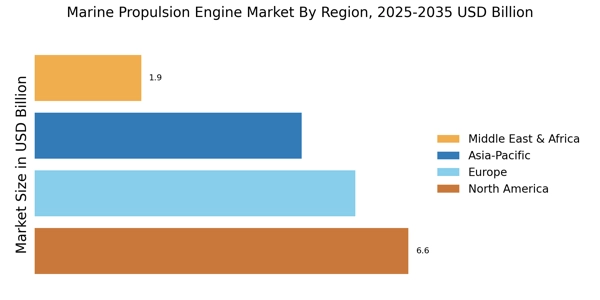
해양 추진 엔진 시장 Regional Image

주요 기업 및 경쟁 통찰력

해양 추진 엔진 시장은 현재 기술 발전, 지속 가능성에 대한 규제 압박, 효율적인 해양 운영에 대한 수요 증가에 의해 주도되는 역동적인 경쟁 환경으로 특징지어집니다. MAN 에너지 솔루션 (독일), 바르질라 (핀란드), 롤스 로이스 (영국)와 같은 주요 기업들이 선두에 있으며, 각기 다른 전략을 채택하여 시장 위치를 강화하고 있습니다. MAN 에너지 솔루션 (독일)은 엔진 효율성과 배출가스 감소에 대한 혁신에 중점을 두고 있으며, 바르질라 (핀란드)는 해양 응용을 위한 디지털 혁신과 통합 솔루션을 강조하고 있습니다. 롤스 로이스 (영국)는 고급 추진 시스템에 대한 전문성을 활용하고 있으며, 이는 산업 내에서 보다 지속 가능하고 기술적으로 진보된 솔루션으로의 집단적 전환을 나타냅니다. 이러한 기업들이 채택한 비즈니스 전술은 운영 최적화와 경쟁력 강화를 위한 공동의 노력을 반영합니다. 제조 현지화 및 공급망 최적화는 지역 수요와 규제 변화에 신속하게 대응할 수 있는 일반적인 전략입니다. 시장 구조는 적당히 분산되어 있으며, 여러 주요 기업들이 영향을 미치고 있지만, 이러한 기업 간의 협력 노력은 경쟁 역학을 재편할 수 있는 통합 및 전략적 파트너십으로의 추세를 시사합니다. 2025년 8월, 바르질라 (핀란드)는 해양 엔진을 위한 AI 기반 예측 유지보수 솔루션을 개발하기 위해 선도적인 기술 회사와 파트너십을 발표했습니다. 이 전략적 움직임은 운영 효율성을 높이고 선박 운영자의 다운타임을 줄이는 데 기여할 것으로 예상되며, 이는 산업의 디지털화 및 스마트 기술에 대한 강조와 일치합니다. 이러한 이니셔티브는 바르질라의 시장 위치를 강화할 뿐만 아니라 해양 추진 시스템에 고급 기술을 통합하는 선례를 설정합니다. 2025년 9월, 롤스 로이스 (영국)는 엄격한 환경 규제를 충족하기 위해 설계된 새로운 하이브리드 추진 시스템을 공개했습니다. 이 혁신은 롤스 로이스를 지속 가능한 해양 기술의 선두주자로 자리매김하게 하며, 친환경 솔루션에 대한 증가하는 수요를 충족합니다. 이 시스템의 도입은 경쟁업체들이 하이브리드 기술에 대한 연구 및 개발 노력을 가속화하도록 영향을 미칠 수 있으며, 경쟁 환경을 더욱 심화시킬 수 있습니다. 2025년 7월, MAN 에너지 솔루션 (독일)은 아시아에서 제조 능력을 확장하여 생산을 현지화하고 이 지역 고객의 리드 타임을 줄이는 것을 목표로 하고 있습니다. 이 전략적 확장은 기업들이 공급망 신뢰성과 반응성을 향상시키려는 광범위한 추세를 나타냅니다. 아시아에서 더 강력한 입지를 구축함으로써 MAN 에너지 솔루션은 이 빠르게 성장하는 지역에서 더 큰 시장 점유율을 차지할 가능성이 높아지며, 경쟁을 더욱 심화시킬 것입니다. 2025년 10월 현재, 해양 추진 엔진 시장은 디지털화, 지속 가능성 및 인공지능 통합으로 뚜렷한 전환을 목격하고 있습니다. 전략적 제휴는 점점 더 경쟁 환경을 형성하고 있으며, 기업들은 복잡한 문제를 해결하기 위해 협력의 필요성을 인식하고 있습니다. 경쟁 차별화의 진화는 전통적인 가격 기반 경쟁에서 혁신, 기술 발전 및 공급망 회복력에 중점을 두는 방향으로 이동하고 있는 것으로 보입니다. 이러한 추세는 연구 및 개발과 전략적 파트너십을 우선시하는 기업들이 미래의 리더로 부상할 가능성이 높음을 시사합니다.

해양 추진 엔진 시장 시장의 주요 기업은 다음과 같습니다

Recent Industry Developments

해양 추진 엔진 시장은 2034년까지 242.7억 달러의 가치를 달성할 것으로 예상되며, 2025년부터 2034년까지 2.52%의 CAGR로 확장될 것입니다. 연료 효율적이고 환경 친화적인 추진 시스템에 대한 수요 증가와 해양 운송 산업의 성장으로 시장 성장이 촉진되고 있습니다. 또한, 해양 선박의 배출가스를 줄이기 위한 정부 규제가 시장 수요를 증가시킬 것으로 예상됩니다. 최근 시장의 발전에는 이중 연료 및 하이브리드 추진 시스템과 같은 신제품 출시와 엔진 최적화를 위한 인공지능(AI) 및 데이터 분석과 같은 첨단 기술의 채택이 포함됩니다.

주요 기업 간의 전략적 파트너십 및 인수합병도 경쟁 환경을 형성하고 있습니다.

향후 전망

해양 추진 엔진 시장 향후 전망

해양 추진 엔진 시장은 2025년부터 2035년까지 2.52% CAGR로 성장할 것으로 예상되며, 이는 기술 발전, 규제 변화 및 친환경 솔루션에 대한 수요 증가에 의해 주도됩니다.
해양 추진 엔진 시장의 미래 전망은 해양 탈탄소화에 대한 글로벌 의무에 의해 매우 강력합니다. 성장은 암모니아, 메탄올 및 LNG를 활용한 이중 연료 엔진으로의 전환과 함께 AI 기반 에너지 관리 및 하이브리드 전기 시스템의 통합에 의해 촉진됩니다.

새로운 기회는 다음에 있습니다:

  • 연료 효율성을 높이기 위한 하이브리드 추진 시스템 개발.

2035년까지 시장은 진화하는 산업 역학을 반영하여 강력한 성장을 달성할 것으로 예상됩니다.

시장 세분화

해양 추진 엔진 시장 연료 유형 전망

  • 해양 디젤유 (MDO)
  • 중유 (HFO)
  • 천연 가스
  • 액화 천연 가스 (LNG)

해양 추진 엔진 시장 응용 분야 전망

  • 상업 선박
  • 군함
  • 레크리에이션 보트

해양 추진 엔진 시장 엔진 유형 전망

  • 디젤 엔진
  • 가스 엔진
  • 전기 엔진

해양 추진 엔진 시장 출력 등급 전망

  • 저출력 (1000 kW 이하)
  • 중출력 (1000-10
  • 000 kW)
  • 고출력 (10000 kW 이상)
  • 000 kW)

해양 추진 엔진 시장 추진 시스템 전망

  • 내장 엔진
  • 외장 엔진
  • 포드 추진 시스템

보고서 범위

Parameter Detail
Market Scope Global Marine Propulsion Engine Market covering main and auxiliary propulsion engines across commercial, defence, and passenger vessels
Study Period 2021–2035 (Historical 2021–2024; Base Year 2025; Forecast 2026–2035)
CAGR 2.74% (2026–2035)
Market Size Checkpoints USD 41.33 Billion (2025); USD 42.46 Billion (2026); USD 54.16 Billion (2035)
Fastest Growing Segments Fuel cell propulsion (engine type); above 20,000 kW (power range); Middle East & Africa (geography)
Companies Profiled MAN Energy Solutions, Wärtsilä, Caterpillar Marine, HD Hyundai HHI E&M, Mitsubishi Heavy Industries, Rolls-Royce Power Systems, Cummins, WinGD, Yanmar, Volvo Penta, Brunswick Corporation, Niigata Power Systems
Valuation Currency USD Billion

Frequently Asked Questions

2035년 해양 추진 엔진 시장의 예상 시장 가치는 얼마입니까?

해양 추진 엔진 시장은 2035년까지 248.8억 달러의 가치에 이를 것으로 예상됩니다.

2024년 해양 추진 엔진 시장의 시장 가치는 얼마였습니까?

2024년 해양 추진 엔진 시장은 189.2억 달러로 평가되었습니다.

2025 - 2035년 예측 기간 동안 해양 추진 엔진 시장의 예상 CAGR은 얼마입니까?

2025 - 2035년 예측 기간 동안 해양 추진 엔진 시장의 예상 CAGR은 2.52%입니다.

해양 추진 엔진 시장에서 주요 기업은 누구입니까?

해양 추진 엔진 시장의 주요 기업으로는 MAN 에너지 솔루션, 바르질라, 롤스 로이스, 캐터필러, 제너럴 일렉트릭, MTU, 얀마르, 콩스베르그 그룹, ABB가 있습니다.

2035년까지 해양 추진 엔진 시장에서 디젤 엔진의 예상 가치는 얼마입니까?

해양 추진 엔진 시장에서 디젤 엔진의 예상 가치는 2035년까지 130억 달러에 이를 것으로 예상됩니다.

2035년까지 해양 추진 엔진 시장에서 전기 엔진의 성과는 어떻습니까?

전기 엔진은 2035년까지 68.8억 달러의 시장 가치를 달성할 것으로 예상됩니다.

2035년까지 인보드 엔진의 예상 시장 규모는 얼마입니까?

인보드 엔진의 시장 규모는 2035년까지 98억 달러에 이를 것으로 예상됩니다.

2035년까지 포드 추진 시스템 세그먼트의 예상 가치는 얼마입니까?

포드 추진 시스템은 2035년까지 78.8억 달러의 시장 가치를 달성할 것으로 예상됩니다.

2035년 상업용 선박의 예상 시장 가치는 얼마입니까?
상업용 선박의 예상 시장 가치는 2035년까지 98억 달러에 이를 것으로 예상됩니다.
해양 추진 엔진 시장에서 중유 세그먼트의 미래 예측은 무엇입니까?
중유 세그먼트는 2035년까지 60억 달러의 가치에 이를 것으로 예상됩니다.
저자
Author Author Profile Priya Nagrale LinkedIn Senior Research Analyst
With an experience of over five years in market research industry (Chemicals & Materials domain), I gather and analyze market data from diverse sources to produce results, which are then presented back to a client. Also, provide recommendations based on the findings. As a Senior Research Analyst, I perform quality checks (QC) for market estimations, QC for reports, and handle queries and work extensively on client customizations. Also, handle the responsibilities of client proposals, report planning, report finalization, and execution

Research Approach


Secondary Research

The secondary research process involved comprehensive analysis of regulatory databases, maritime industry publications, technical standards documentation, and authoritative maritime organizations. Key sources included the International Maritime Organization (IMO), United States Coast Guard (USCG), European Maritime Safety Agency (EMSA), Lloyd's Register, American Bureau of Shipping (ABS), DNV GL (Det Norske Veritas), International Association of Marine Insurers (IUMI), United Nations Conference on Trade and Development (UNCTAD) Review of Maritime Transport, International Energy Agency (IEA) Marine Fuel Reports, Organization of the Petroleum Exporting Countries (OPEC) Maritime Outlook, International Council on Combustion Engines (CIMAC), Society of Naval Architects and Marine Engineers (SNAME), International Chamber of Shipping (ICS), Baltic and International Maritime Council (BIMCO), Clarksons Research, VesselsValue, United Nations International Maritime Organization (UN IMO) Global Integrated Shipping Information System (GISIS), European Commission Transport Database, U.S. Energy Information Administration (EIA), and national maritime administration reports from key shipping nations. These sources were used to collect vessel orderbook statistics, engine certification data, emission compliance studies, fleet modernization trends, and market landscape analysis for diesel propulsion systems, gas engines, electric/hybrid propulsion, and alternative fuel technologies.


Primary Research

In order to gather both qualitative and quantitative insights, supply-side and demand-side stakeholders were interviewed during the primary research process. CEOs, vice presidents of engineering, product directors for marine propulsion, and heads of regulatory compliance from shipyards, engine manufacturers, and system integrators were examples of supply-side sources. Fleet managers, chief engineers, technical superintendents, procurement directors from commercial shipping companies, naval architects, and marine consultants from ship operators, offshore vessel owners, and cruise line technical departments were examples of demand-side suppliers. Market segmentation, newbuild and retrofit pipeline timings, fuel transition plans, engine procurement trends, lifespan cost analysis, and regulatory compliance investments were all confirmed by primary research.

Primary Respondent Breakdown:

By Designation: C-level Primaries (28%), Director Level (32%), Others (40%)

By Region: North America (28%), Europe (32%), Asia-Pacific (35%), Rest of World (5%)


Market Size Estimation

Global market valuation was derived through revenue mapping and vessel fleet analysis. The methodology included:

Identification of 50+ key manufacturers and system integrators across North America, Europe, Asia-Pacific, and Latin America

Product mapping across diesel engines, gas engines, electric propulsion systems, and hybrid configurations

Analysis of reported and modeled annual revenues specific to marine propulsion engine portfolios

Coverage of manufacturers representing 75-80% of global market share in 2024

Extrapolation using bottom-up (vessel deliveries × engine unit price by power rating and application) and top-down (manufacturer revenue validation) approaches to derive segment-specific valuations for commercial vessels, naval vessels, and recreational craft propulsion systems

무료 샘플 다운로드

이 보고서의 무료 샘플을 받으려면 아래 양식을 작성하십시오

Download PDF ×

We do not share your information with anyone. However, we may send you emails based on your report interest from time to time. You may contact us at any time to opt-out.